• Fri frakt över 249 kr
  • •
  • Snabba leveranser
  • •
  • Billiga böcker
Kundservice

Du är på sajten för privatpersoner.

Företag, bibliotek eller offentlig verksamhet?

Du handlar på classic.bokus.com, där alla dina funktioner finns intakta.
Till classic.bokus.com
Bokus logotyp. Gå till startsidan.
  • Erbjudanden
  • Nyheter
  • Student
  • Topplistor
  • Barn & ungdom
  • Bokus Play
  • E-böcker
  • Pocketböcker
  • Spel & pussel

10% rabatt på allt med kod: NYSTART10 →

Sidfot

Mina sidor

    Hjälp

    • Kundservice
    • Vanliga frågor och svar
    • Frakt och leverans
    • Retur vid ångerrätt
    • Reklamera vara
    • Betalning
    • Köpvillkor
    • Allmänna villkor
    • Information om webbplatsens tillgänglighet

    Om Bokus

    • Om oss
    • Pressrum
    • För studenter
    • För företag
    • För bibliotek och offentlig verksamhet
    • För leverantörer
    • Hållbarhet

    Populärt

    • Aktuella erbjudanden
    • Presentkort
    • Studentlitteratur
    • Nya böcker
    • Topplistor
    • Signerade böcker
    • Engelska böcker

    Inspiration

    • Boktips
    • BookTok
    • Populära bokserier
    • Barnbokskaraktärer
    • Populära författare
    Logotyp för Bokus
    Följ oss på Facebook (extern länk)Följ oss på Instagram (extern länk)Följ oss på YouTube (extern länk)Följ oss på TikTok (extern länk)
    bokus @ CookiesAnpassa cookiesIntegritetspolicyKöpvillkor
    Till Citymail hemsida (extern länk)Till Budbee hemsida (extern länk)Till Postnord hemsida (extern länk)Till Schenker hemsida (extern länk)Till Early Bird hemsida (extern länk)Till Walleys hemsida (extern länk)
    1. Samhälle och politik
    2. Social välfärd och brottslighet
    3. Brottslighet och kriminologi
    4. Kriminalvård och straff

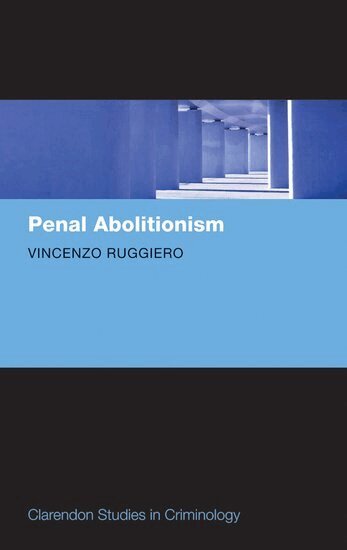
    Penal Abolitionism

    AvVincenzo Ruggiero

    Inbunden, Engelska, 2010

    Del i serien Clarendon Studies in Criminology

    1 595 kr

    Beställningsvara. Skickas inom 5-8 vardagar. Fri frakt över 249 kr.

    Beskrivning

    Abolitionism is not only a strategy or a set of demands, aimed at the reduction (or suppression) of custody, it is also a perspective, a philosophy, an approach which challenges conventional definitions of crime. This book examines the origin, philosophy and achievements of abolitionism and reviews the literature on penal abolitionism from the 1960s to the 1980s. By collecting and discussing the key abolitionist arguments, the author critically analyses the views expressed by its leading proponents; Nils Christie, Louk Hulsman, Thomas Mathiesen and Herman Bianchi, examining in particular how their views took shape, their philosophical foundations, and the social and political context of abolitionist ideas and perspectives. Policies, such as the virtual abolition of custody for young offenders in Italy, are presented and the area of informal justice is also addressed, with an overview of mediation and compensation practices, and an assessment of the degree of their effectiveness and desirability.Through assessment of these achievements and experiments of specific abolitionist ideas, the author attempts to identify the legacy of abolitionism from a European perspective, whilst bringing into focus more recent contributions concerning the study of terrorism and war.

    Produktinformation

    • Utgivningsdatum:2010-07-08
    • Mått:147 x 222 x 21 mm
    • Vikt:448 g
    • Format:Inbunden
    • Språk:Engelska
    • Serie:Clarendon Studies in Criminology
    • Antal sidor:246
    • Förlag:OUP OXFORD
    • ISBN:9780199578443

    Utforska kategorier

    • Kriminalvård och straff inom Samhälle och politik
    • Sociologi inom Samhälle och politik
    • Filosofiska discipliner inom Filosofi och religion

    Mer om författaren

    Vincenzo Ruggiero is Professor of Sociology at Middlesex University in London. He has published fifteen books and several articles in academic journals. He has conducted research on behalf of the ESRC, the European Commission and the United Nations.

    Innehållsförteckning

    • 1. Introduction ; 2. Crime as trouble ; 3. Substantive justice and self-regulation ; 4. Cultures of punishment ; 5. The limitation of pain ; 6. Social Christians and mercy ; 7. Abolitionist praxis ; 8. Mutual aid and cordiality ; 9. Participation, conciliation and mourning ; 10. Conclusion