E-bok, Engelska, 2003
Cultural Nature of Human Development
392 kr
Läs direkt i Bokus Reader – eller ladda ned till din enhet
Beskrivning
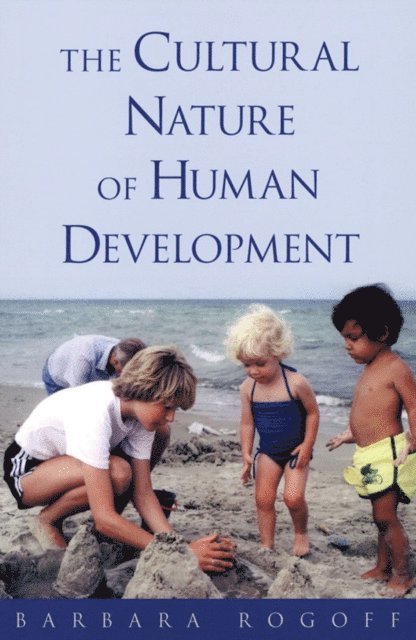
Three-year-old Kwara''ae children in Oceania act as caregivers of their younger siblings, but in the UK, it is an offense to leave a child under age 14 ears without adult supervision. In the Efe community in Zaire, infants routinely use machetes with safety and some skill, although U.S. middle-class adults often do not trust young children with knives. What explains these marked differences in the capabilities of these children?Until recently, traditional understandings of human development held that a child''s development is universal and that children have characteristics and skills that develop independently of cultural processes. Barbara Rogoff argues, however, that human development must be understood as a cultural process, not simply a biological or psychological one. Individuals develop as members of a community, and their development can only be fully understood by examining the practices and circumstances of their communities.
Produktinformation
- Utgivningsdatum: 2003-02-13
- Språk: Engelska
- Filformat: EPUB
- Kopieringsskydd: LCP
- ISBN: 9780199813629
- Förlag: Oxford University Press
Utforska kategorier
Betyg & recensioner
0 recensioner
Inga recensioner tillgängliga.