• Fri frakt över 249 kr
  • •
  • Snabba leveranser
  • •
  • Billiga böcker
Kundservice

Du är på sajten för privatpersoner.

Företag, bibliotek eller offentlig verksamhet?

Du handlar på classic.bokus.com, där alla dina funktioner finns intakta.
Till classic.bokus.com
Bokus logotyp. Gå till startsidan.
  • Erbjudanden
  • Nyheter
  • Student
  • Topplistor
  • Barn & ungdom
  • Bokus Play
  • E-böcker
  • Pocketböcker
  • Spel & pussel

10% rabatt på allt med kod: NYSTART10 →

Sidfot

Mina sidor

    Hjälp

    • Kundservice
    • Vanliga frågor och svar
    • Frakt och leverans
    • Retur vid ångerrätt
    • Reklamera vara
    • Betalning
    • Köpvillkor
    • Allmänna villkor
    • Information om webbplatsens tillgänglighet

    Om Bokus

    • Om oss
    • Pressrum
    • För studenter
    • För företag
    • För bibliotek och offentlig verksamhet
    • För leverantörer
    • Hållbarhet

    Populärt

    • Aktuella erbjudanden
    • Presentkort
    • Studentlitteratur
    • Nya böcker
    • Topplistor
    • Signerade böcker
    • Engelska böcker

    Inspiration

    • Boktips
    • BookTok
    • Populära bokserier
    • Barnbokskaraktärer
    • Populära författare
    Logotyp för Bokus
    Följ oss på Facebook (extern länk)Följ oss på Instagram (extern länk)Följ oss på YouTube (extern länk)Följ oss på TikTok (extern länk)
    bokus @ CookiesAnpassa cookiesIntegritetspolicyKöpvillkor
    Till Citymail hemsida (extern länk)Till Budbee hemsida (extern länk)Till Postnord hemsida (extern länk)Till Schenker hemsida (extern länk)Till Early Bird hemsida (extern länk)Till Walleys hemsida (extern länk)
    1. Samhälle och politik
    2. Politik och statsskick
    3. Politisk aktivism

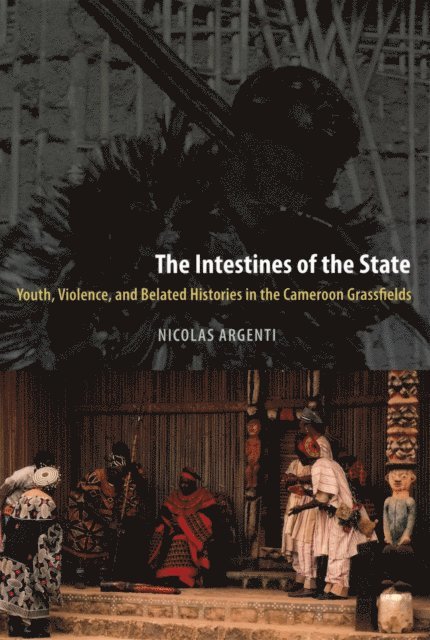
    Intestines of the State

    Youth, Violence, and Belated Histories in the Cameroon Grassfields

    AvNicolas Argenti

    Häftad, Engelska, 2007

    333 kr

    Beställningsvara. Skickas inom 5-8 vardagar. Fri frakt över 249 kr.

    Fler format och utgåvor

    E-bok

    756 kr

    Beskrivning

    The young people of the Cameroon Grassfields have been subject to a long history of violence and political marginalization. For centuries, the main victims of the slave trade, they became prime targets for forced labor campaigns under a series of colonial rulers. Today's youth remain at the bottom of the fiercely hierarchical and polarized societies of the Grassfields, and it is their response to centuries of exploitation that Nicolas Pandely Argenti takes up in this absorbing and original book. Beginning his study with a political analysis of youth in the Grassfields from the eighteenth century to the present, Argenti pays special attention to the repeated violent revolts staged by young victims of political oppression. He then combines this history with extensive ethnographic fieldwork in the Oku chiefdom, discovering that the specter of past violence lives on in the masked dance performances that have earned intense devotion from today's youth. Argenti contends that by evoking the imagery of past cataclysmic events, these masquerades allow young Oku men and women to address the inequities they face in their relations with elders and state authorities today.

    Produktinformation

    • Utgivningsdatum:2007-10-01
    • Mått:15 x 23 x 2 mm
    • Vikt:595 g
    • Format:Häftad
    • Språk:Engelska
    • Antal sidor:352
    • Förlag:The University of Chicago Press
    • ISBN:9780226026121

    Utforska kategorier

    • Politisk aktivism inom Samhälle och politik
    • Sociala grupper och identitet inom Samhälle och politik
    • Politiskt förtryck inom Samhälle och politik

    Mer om författaren

    Nicolas Pandely Argenti is a research lecturer in anthropology at Brunel University in England. He is coeditor of Young Africa: Realising the Rights of Children and Youth.

    Recensioner i media

    "Nicolas Argenti succeeds in doing justice to the uncanny tension evoked by the youth masquerades of Oku and their haunting performances. He offers challenging contributions to the study of dance, the indeterminacy of memory, and the actuality of the slave trade." - Peter Geschiere, University of Amsterdam"