Häftad, Engelska, 2018
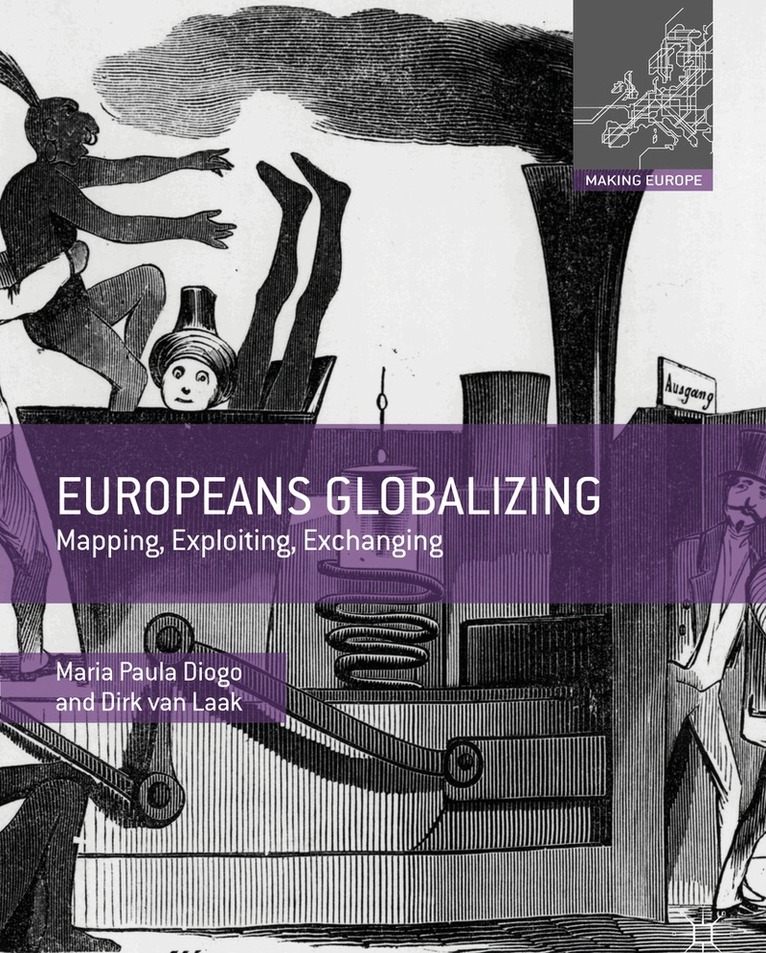
Europeans Globalizing
Av Maria Paula Diogo, Dirk van Laak
288 kr
Beställningsvara. Skickas inom 10-15 vardagar. Fri frakt över 249 kr.
Beskrivning
Over the course of 150 years, Europe's protean technologies inspired and underpinned the globalizing ambitions of European nations. This book aims to show how technology mediated European influence in the rest of the world and how this mediation in turn transformed Europeans. Europeans mapped, they exploited, and they exchanged - their interactions ranged from technological and biological genocide to treaties of cooperation and the construction of elaborate colonial infrastructures. Quite aside from the enormous variety of political settings, cultures and colonial programs, interrelations created dependencies on both sides. Cultural transfers were rarely unidirectional, and often a kind of Pidgin-knowledge emerged, a hybrid fusion of European and local knowledge and skills. As observers have rightly pointed out, Europe played both the role of 'Prometheus unbound' and the 'Sorcerer's apprentice'.
Produktinformation
- Utgivningsdatum: 2018-08-10
- Mått: 189 x 246 x 26 mm
- Vikt: 720 g
- Format: Häftad
- Språk: Engelska
- Serie: Making Europe
- Antal sidor: 352
- Upplaga: 2016
- Förlag: Palgrave Macmillan
- ISBN: 9780230279643
Utforska kategorier
Betyg & recensioner
0 recensioner
Inga recensioner tillgängliga.