• Fri frakt över 249 kr
  • •
  • Snabba leveranser
  • •
  • Billiga böcker
Kundservice

Du är på sajten för privatpersoner.

Företag, bibliotek eller offentlig verksamhet?

Du handlar på classic.bokus.com, där alla dina funktioner finns intakta.
Till classic.bokus.com
Bokus logotyp. Gå till startsidan.
  • Erbjudanden
  • Nyheter
  • Student
  • Topplistor
  • Barn & ungdom
  • Bokus Play
  • E-böcker
  • Pocketböcker
  • Spel & pussel

10% studentrabatt med kod TERM26

Sidfot

Mina sidor

    Hjälp

    • Kundservice
    • Vanliga frågor och svar
    • Frakt och leverans
    • Retur vid ångerrätt
    • Reklamera vara
    • Betalning
    • Köpvillkor
    • Allmänna villkor
    • Information om webbplatsens tillgänglighet

    Om Bokus

    • Om oss
    • Pressrum
    • För studenter
    • För företag
    • För bibliotek och offentlig verksamhet
    • För leverantörer
    • Hållbarhet

    Populärt

    • Aktuella erbjudanden
    • Presentkort
    • Studentlitteratur
    • Nya böcker
    • Topplistor
    • Signerade böcker
    • Engelska böcker

    Inspiration

    • Boktips
    • BookTok
    • Populära bokserier
    • Barnbokskaraktärer
    • Populära författare
    Logotyp för Bokus
    Följ oss på Facebook (extern länk)Följ oss på Instagram (extern länk)Följ oss på YouTube (extern länk)Följ oss på TikTok (extern länk)
    bokus @ CookiesAnpassa cookiesIntegritetspolicyKöpvillkor
    Till Citymail hemsida (extern länk)Till Budbee hemsida (extern länk)Till Postnord hemsida (extern länk)Till Schenker hemsida (extern länk)Till Early Bird hemsida (extern länk)Till Walleys hemsida (extern länk)
    1. Samhälle och politik
    2. Politik och statsskick
    3. Centralt styre och förvaltning

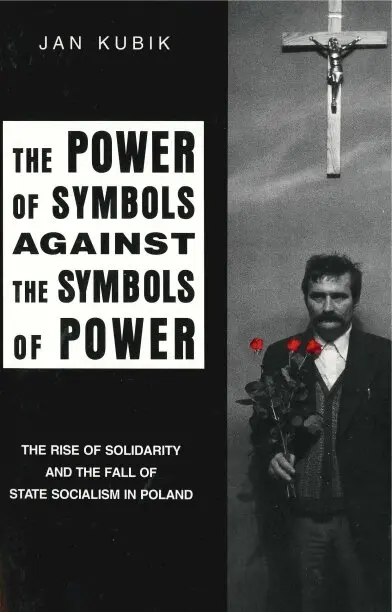
    Power of Symbols Against the Symbols of Power

    The Rise of Solidarity and the Fall of State Socialism in Poland

    AvJan Kubik

    Häftad, Engelska, 1994

    467 kr

    Beställningsvara. Skickas inom 5-8 vardagar. Fri frakt över 249 kr.

    Beskrivning

    The authority of Polish communists in 1944–1945 was usurpatory; it was not given to them by the Polish people. Nor was the power they held the result of their own actions; they were installed as the country's rulers by the Soviet army. Yet Polish Communists set out to produce credible claims to authority and legitimacy for their power by reshaping the nation's culture and traditions. Jan Kubik begins his study by demonstrating how the strategy for remodeling the national culture was implemented through extensive use of public ceremonies and displays of symbols by the Gierek regime (1970–1980). He then reconstructs the emergence of the Catholic Church and the organized opposition as viable counter-hegemonic subcultures. Their growing strength opened the way for counter-hegemonic politics, the delegitimization of the regime, the rise of Solidarity, and the collapse of communism. He is not studying politics per se, but rather culture and the subtle and indirect ways power is realized within it, often outside of traditionally defined politics. Kubik's approach, which draws heavily on modern anthropological theory, helps explain why Solidarity happened in Poland and not elsewhere in the Communist bloc.

    Produktinformation

    • Utgivningsdatum:1994-04-15
    • Mått:152 x 229 x 24 mm
    • Vikt:513 g
    • Format:Häftad
    • Språk:Engelska
    • Antal sidor:336
    • Förlag:Pennsylvania State University Press
    • ISBN:9780271010847

    Utforska kategorier

    • Centralt styre och förvaltning inom Samhälle och politik
    • Arbetsmarknaden inom Ekonomi och Ledarskap
    • Europas historia inom Historia och arkeologi

    Mer om författaren

    Jan Kubik is Assistant Professor of Political Science at Rutgers University.

    Recensioner i media

    “Jan Kubik brings a sophisticated anthropological and cultural-studies perspective to this important study of Poland in the waning years of communist rule. He stresses the central role of symbolism and discourse in the maintenance and construction of political power. This is a powerful paradigm and one that I think will attract even more attention in the East European context in future years as new social-political systems are constructed and as new ideologies replace the old.”—David I. Kertzer, Brown University