Inbunden, Engelska, 1998
Between Artifacts and Texts
1130 kr
Beställningsvara. Skickas inom 10-15 vardagar. Fri frakt över 249 kr.
Beskrivning
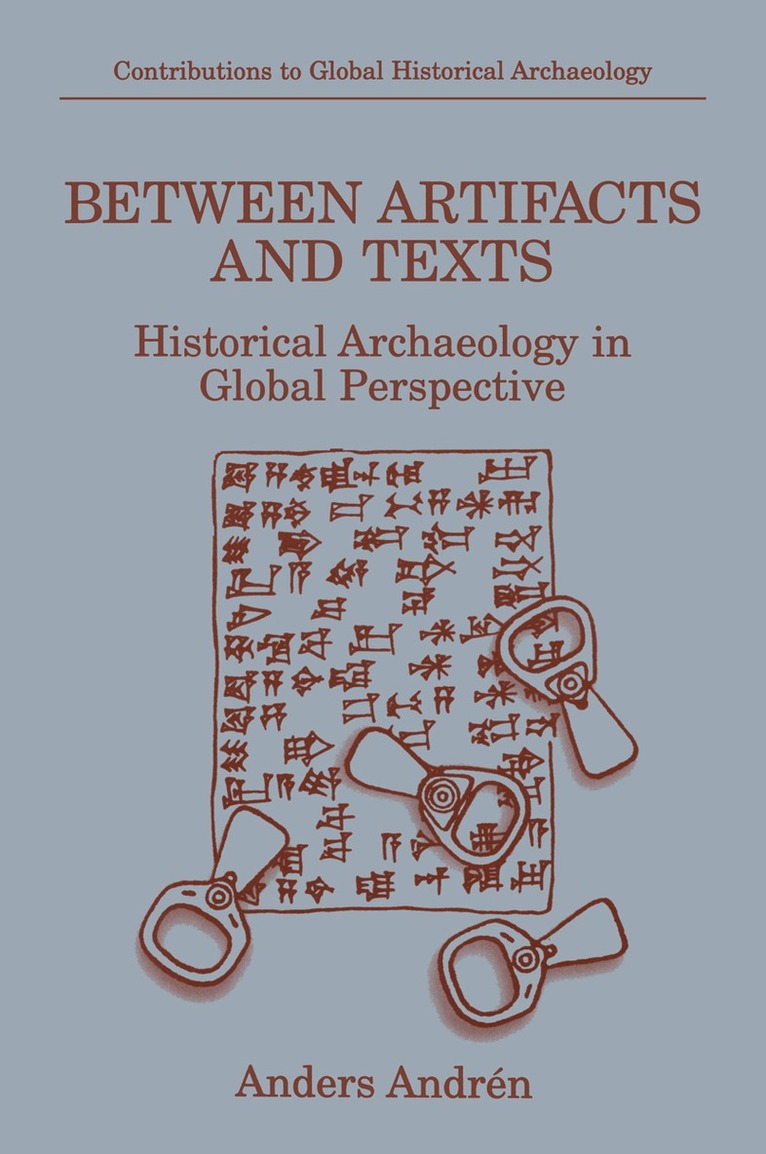
This book is about historical archaeologies all over the world; about their history, their methods, and their raison d'etre. The focus is on an existential question for archaeology: whether investigations of mate rial culture are necessary at all when studying societies with writing. Is it not sufficient to read and interpret texts if we wish to understand and explain historical periods? This book has been written out of a conviction that archaeology is important, even in the study of literate societies. Yet the book has also been written out of a conviction that the importance of the historical archaeologies is not obvious to everyone. The disciplines have a tendency to be marginalized in relation both to history and to archaeology and anthropology, because the archaeologi cal results are sometimes perceived as unnecessary confirmations of what is already known. Although I regard theoretical considerations as crucial for all scholarly work, I do not think that the solution to this marginalization can be found in any "definitive" theory that might raise the disciplines above the threatened tautology. Instead, I have found it more important to examine different methodological approaches in the historical archaeologies, to investigate how material culture and writ ing can and could be integrated. I am convinced that the tautological threat should be averted in the actual encounter of artifact and text. By problematizing this encounter, I believe that it is possible to create favorable methodological conditions for new perspectives on the past.
Produktinformation
- Utgivningsdatum: 1998-01-31
- Mått: 155 x 235 x 18 mm
- Vikt: 445 g
- Format: Inbunden
- Språk: Engelska
- Serie: Contributions To Global Historical Archaeology
- Antal sidor: 215
- Upplaga: 1998
- Förlag: Springer Science+Business Media
- ISBN: 9780306455568
- Översättare: Alan Crozier
Utforska kategorier
Betyg & recensioner
0 recensioner
Inga recensioner tillgängliga.