Häftad, Engelska, 2005
Proliferation Security Initiative
531 kr
Beställningsvara. Skickas inom 10-15 vardagar. Fri frakt över 249 kr.
Beskrivning
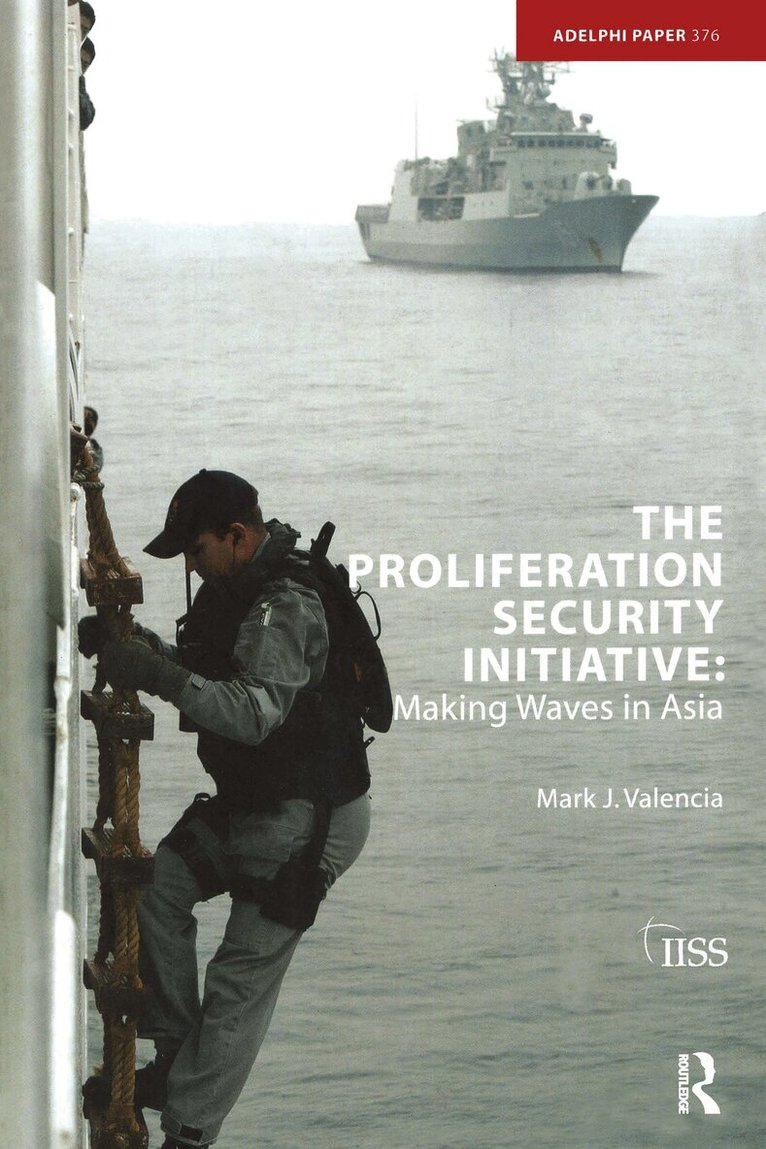
The Proliferation Security Initiative (PSI), launched initiated by US President Bush in May 2003, was designed to prevent elements of weapons of mass destruction (WMD) from reaching or leaving states or sub-state actors of proliferation concern. More than twenty countries now adhere to PSI principles. Though the principal focus of the initiative is on North Korea, Japan and Singapore are the only active East Asian participants. Most WMD traffic moves by sea, and the focus of the PSI is on maritime interdictions and seizures. Although the PSI has had some significant successes, its aggressive promotion and implementation has been controversial. It has been criticised for lacking sufficient public accountability, stretching international law to the limits, undermining the UN system, potentially limited effectiveness and for being politically divisive. Moreover, Asian countries that are key to PSI's successful implementation - notably China, India, Indonesia and South Korea - have deferred active involvement despite US pressureThe complexities of the post-Cold War security environment in East Asia make implementation of the PSI problematic. Against the background of China's rise, Japan's drive to become a 'normal' power and major-power competition for influence in Southeast Asia, maritime security issues are rising to the fore. Jurisdiction is creeping seawards while national threat perceptions as well as concepts of sovereignty are diverge, elevating maritime sensitivities.
Produktinformation
- Utgivningsdatum: 2005-11-03
- Mått: 156 x 234 x 6 mm
- Vikt: 181 g
- Format: Häftad
- Språk: Engelska
- Serie: Adelphi series
- Antal sidor: 144
- Förlag: Taylor & Francis Ltd
- ISBN: 9780415395120
Utforska kategorier
Betyg & recensioner
0 recensioner
Inga recensioner tillgängliga.