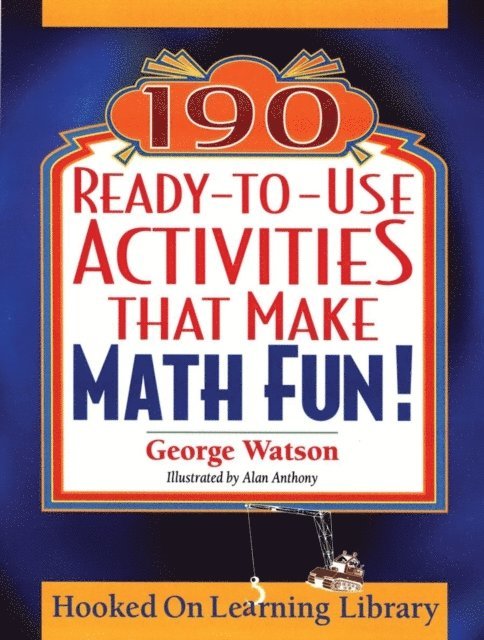
• Fri frakt över 249 kr
  • •
  • Snabba leveranser
  • •
  • Billiga böcker
Kundservice

Du är på sajten för privatpersoner.

Företag, bibliotek eller offentlig verksamhet?

Du handlar på classic.bokus.com, där alla dina funktioner finns intakta.
Till classic.bokus.com
Bokus logotyp. Gå till startsidan.
  • Erbjudanden
  • Nyheter
  • Student
  • Topplistor
  • Barn & ungdom
  • Bokus Play
  • E-böcker
  • Pocketböcker
  • Spel & pussel

10% rabatt på allt med kod: NYSTART10 →

Sidfot

Mina sidor

    Hjälp

    • Kundservice
    • Vanliga frågor och svar
    • Frakt och leverans
    • Retur vid ångerrätt
    • Reklamera vara
    • Betalning
    • Köpvillkor
    • Allmänna villkor
    • Information om webbplatsens tillgänglighet

    Om Bokus

    • Om oss
    • Pressrum
    • För studenter
    • För företag
    • För bibliotek och offentlig verksamhet
    • För leverantörer
    • Hållbarhet

    Populärt

    • Aktuella erbjudanden
    • Presentkort
    • Studentlitteratur
    • Nya böcker
    • Topplistor
    • Signerade böcker
    • Engelska böcker

    Inspiration

    • Boktips
    • BookTok
    • Populära bokserier
    • Barnbokskaraktärer
    • Populära författare
    Logotyp för Bokus
    Följ oss på Facebook (extern länk)Följ oss på Instagram (extern länk)Följ oss på YouTube (extern länk)Följ oss på TikTok (extern länk)
    bokus @ CookiesAnpassa cookiesIntegritetspolicyKöpvillkor
    Till Citymail hemsida (extern länk)Till Budbee hemsida (extern länk)Till Postnord hemsida (extern länk)Till Schenker hemsida (extern länk)Till Early Bird hemsida (extern länk)Till Walleys hemsida (extern länk)
    1. Skönlitteratur
    2. Litteraturvetenskap
    3. Litteraturteori

    Story of the Novel

    AvGeorge Watson

    Häftad, Engelska, 2008

    Del i serien The Lutterworth Press

    330 kr

    Beställningsvara. Skickas inom 5-8 vardagar. Fri frakt över 249 kr.

    Beskrivning

    A lively and accessible guide to the development of the novel, emphasising a thematic approach to the conventions and variety of the form.As George Watson playfully observes, the story is the best thing about a novel. The deliberately ambiguous title of his book reflects the fact that it combines a study of the art of narrative with the history of the novel as a literary form, since its emergence some three centuries ago. Employing a thematic approach, the author moves from one aspect of narrative to another rather than discussing novelists chronologically. The book considers various kinds of novels, such as the memoir novel and discusses issues such as the presentation of dialogue, the creation of scenes, tense and time and the relationship between the novel and history. Arguments are illustrated by well-known rather than obscure works, or novels likely to be familiar to students who take this book as a starting-point for the modern study of narrative. The reader is presented with a clear picture of how the novel has evolved and how its chief conventions have developed and changed since the seventeenth century. This new and revised edition brings back to life this invaluable and straightforward work on the technique of the novel, which first appeared in 1979.

    Produktinformation

    • Utgivningsdatum:2008-12-18
    • Mått:152 x 229 x 10 mm
    • Vikt:285 g
    • Format:Häftad
    • Språk:Engelska
    • Serie:The Lutterworth Press
    • Antal sidor:178
    • Förlag:Boydell & Brewer Ltd
    • ISBN:9780718830946

    Utforska kategorier

    • Litteraturteori inom Skönlitteratur
    • Socialhistoria och kulturhistoria inom Historia och arkeologi

    Mer om författaren

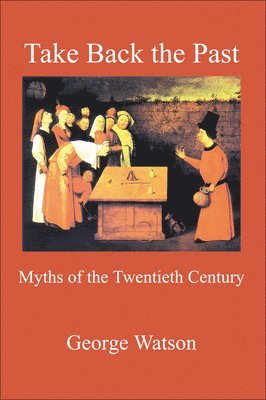
    George Watson is Fellow in English at St. John's College, Cambridge. He has published a number of books on literature and political thought, including The Literary Critics, its sequel, Never Ones for Theory?, The English Ideology, Lost Literature of Socialism and Take Back the Past, also published by The Lutterworth Press. He has been Sandars Reader in Bibliography, and is editor of the New Cambridge Bibliography of English Literature.

    Innehållsförteckning

    • 1. Memoirs 2. Letters 3. Dialogue 4. Titles and Devices 5. Beginning and Ending 6. Tense and Time 7. History in its Place 8. Things on the Mind 9. Scene-making 10. How Novelists Write 11. An Apology for Fiction Notes for Further Reading Glossary of European Terms