• Fri frakt över 249 kr
  • •
  • Snabba leveranser
  • •
  • Billiga böcker
Kundservice

Du är på sajten för privatpersoner.

Företag, bibliotek eller offentlig verksamhet?

Du handlar på classic.bokus.com, där alla dina funktioner finns intakta.
Till classic.bokus.com
Bokus logotyp. Gå till startsidan.
  • Erbjudanden
  • Student
  • Topplistor
  • Barn & ungdom
  • Bokus Play
  • E-böcker
  • Ljudböcker
  • Pocketböcker
  • Spel & pussel

Upp till 25% på utvalda nyheter →

Sidfot

Mina sidor

    Hjälp

    • Kundservice
    • Vanliga frågor och svar
    • Frakt och leverans
    • Retur vid ångerrätt
    • Reklamera vara
    • Betalning
    • Köpvillkor
    • Allmänna villkor
    • Information om webbplatsens tillgänglighet

    Om Bokus

    • Om oss
    • Pressrum
    • För studenter
    • För företag
    • För bibliotek och offentlig verksamhet
    • För leverantörer
    • Hållbarhet

    Populärt

    • Aktuella erbjudanden
    • Presentkort
    • Studentlitteratur
    • Nya böcker
    • Topplistor
    • Signerade böcker
    • Engelska böcker

    Inspiration

    • Boktips
    • BookTok
    • Populära bokserier
    • Barnbokskaraktärer
    • Populära författare
    Logotyp för Bokus
    Följ oss på Facebook (extern länk)Följ oss på Instagram (extern länk)Följ oss på YouTube (extern länk)Följ oss på TikTok (extern länk)
    bokus @ CookiesAnpassa cookiesIntegritetspolicyKöpvillkor
    Till Citymail hemsida (extern länk)Till Budbee hemsida (extern länk)Till Postnord hemsida (extern länk)Till Schenker hemsida (extern länk)Till Early Bird hemsida (extern länk)Till Walleys hemsida (extern länk)
    1. Kultur
    2. Konstböcker
    3. Konsthistoria

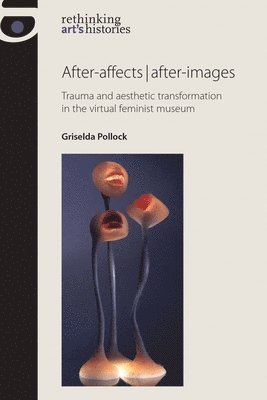
    After-affects | after-images

    Trauma and aesthetic transformation in the virtual feminist museum

    AvGriselda Pollock

    Häftad, Engelska, 2013

    Del i serien Rethinking Art's Histories

    363 kr

    Skickas . Fri frakt över 249 kr.

    Fler format och utgåvor

    Inbunden

    Tillf. slut

    Beskrivning

    Do artists travel away from or towards trauma? Is trauma encrypted or inscribed in art? Or can aesthetic practices (after-images) bring about transformation of trauma, personal trauma or historical traumas? Can they do this in a way that does not imply cure or resolution of the traces (after-affects) of trauma? How do artists themselves process these traces as participants in and sensors for our life-worlds and histories, and how does the viewer, coming belatedly or from elsewhere, encounter works bearing such traces or seeking forms through which to touch and transform them?These are some of the questions posed by major feminist art historian and cultural analyst, Griselda Pollock, in her latest installation of the virtual feminist museum. In closely-read case studies, we encounter artworks by Gian Lorenzo Bernini, Ana Mendieta, Louise Bourgeois, Alina Szapocznikow, Anna Maria Maiolino, Vera Frenkel, Sarah Kofman and Chantal Akerman to explore trauma and bereavement, fatal illness, first- and second-generation Holocaust experience, migration, exile and the encounter with political horror and atrocity. Offering a specifically-feminist contribution to trauma studies, and a feminist psychoanalytical contribution to the study of contemporary art, this volume continues the conceptual innovations that have been the hall-mark of Pollock’s dedicated exploration of feminist interventions in art’s histories.

    Produktinformation

    • Utgivningsdatum:2013-08-31
    • Mått:157 x 231 x 30 mm
    • Vikt:953 g
    • Format:Häftad
    • Språk:Engelska
    • Serie:Rethinking Art's Histories
    • Antal sidor:416
    • Förlag:Manchester University Press
    • ISBN:9780719087981

    Utforska kategorier

    • Konsthistoria inom Kultur
    • Genusvetenskap inom Samhälle och politik
    • Sociologi inom Samhälle och politik

    Mer om författaren

    Griselda Pollock is Professor of Social and Critical Histories of Art and Director of the Centre for Cultural Analysis, Theory and History at the University of Leeds. Author and editor of over 25 books and numerous articles on postcolonial, international feminist and cultural studies in the visual arts and film. With Catherine de Zegher, she co-edited Bracha L Ettinger: Art as Compassion (2011) and with Max Silverman Concentrationary Cinema: Aesthetics as Resistance in Alain Resnais’s Night and Fog (2011) and Concentrationary Memories (2013). She is also editor of Visual Politics and Psychoanalysis: Art and the Image in Post-traumatic Culture (2013). Her forthcoming work includes a monograph on Charlotte Salomon’s Life? Or Theatre? and Art in the Time-Space of Memory and Migration: Sigmund Freud, Anna Freud Bracha Ettinger in the Freud Museum

    Recensioner i media

    In Griselda Pollock’s brilliantly-staged encounters between contemporary art and psychoanalysis, the aesthetic emerges as the space in which we can be responsive to the traces of trauma and live with its after-effects. Through incisive and carefully-articulated theoretical insights and reparative acts of close reading, Pollock offers us new ways of thinking about painful aftermaths as well as a new vocabulary for feminist visual studies.Marianne Hirsch, William Peterfield Trent Professor of English and Comparative Literature in the Institute for Research on Women, Gender and Sexuality at Columbia UniversityIn this powerful latest book, Griselda Pollock brings her writing on her key concept of `the virtual feminist museum’ to a new phase. What are the legacies of trauma in visual space? How might they be gendered? And is there a psychic realm to which women are closer that allows for a generative creativity equal to the horrors of our times? Once again, the meticulous, detailed respect she shows towards her chosen women artists is matched by a sustained theoretical scrutiny, both of which have become the hallmark of her unique feminist intervention into our understanding of images.Jacqueline Rose, Professor of English at Queen Mary, University of London

    Innehållsförteckning

    • PrefaceIntroduction: Trauma and artworkingI Sounds of subjectivity1. Gasping at violence: Daphne’s open mouth and the trauma of gender2. Seduction, mourning and invocation: The geometry of absence in work by Louise Bourgeois3. Being and language: Anna Maria Maiolino’s gestures of exile and connectionII Memorial bodies4. Traumatic encryption: The sculptural dissolutions of Alina Szapocznikow5. Fictions of fact: Memory in transit in Vera Frenkel’s video installation worksIII Passage through the object6. Deadly objects and dangerous confessions: The tale of Sarah Kofman’s father’s pen7. ‘… that, again!’: Pathosformula as transport station of trauma in the cinematic journey of Chantal AkermanBibliographyIndex