
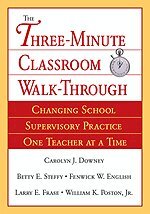
Three-Minute Classroom Walk-Through
Carolyn Downey, Fenwick W. English, Carolyn J. Downey, Betty E. Steffy-English, Fenwick W. English, Larry E. Frase, William K. Poston
Inbunden, 2004
1 249 kr
1 700 kr
Beställningsvara. Skickas inom 3-6 vardagar. Fri frakt över 249 kr.
"English successfully challenges the established educational community to rethink the current state of research on school leadership in the social sciences...The inclusion of theory, discourse, and stories of recognized leaders followed by chapter learning extensions that include key concepts, movie recommendations, and prompted reflective journaling makes this book a most valuable resource for the educational leadership community." —H.J. Bultinck, CHOICE
"The Art of Educational Leadership provides one of the most complete examinations of leadership that I have encountered. I admire the way it urges students to think and reflect. The format allows individual learners to focus on those materials that best fit their learning style while the numerous presentations of a single topic through the different modalities strengthens the learning. This text is a fresh, new look at leadership..."
—Louise L MacKay, East Tennessee State University
"Fenwick W. English returns to themes of leadership he explored in more than 20 earlier books and dozens of presentation to educator audiences. He favors "re-centering educational leadership in the humanities," rather than acting on the recommendation of the business literature, and he emphasizes the use of films as a way to humanize leadership concepts."
—THE SCHOOL ADMINISTRATOR
"Excellent cogent analysis of key concepts of leadership are presented in a reader friendly style."
—Saul B. Grossman, Temple University
Moves beyond established notions of leadership to recognize that effective leading is about drama and performance—artistry!
The Art of Educational Leadership: Balancing Performance and Accountability stresses the human side of leadership. No other text on this topic demonstrates so ably the importance of artistry in leadership in a field that has been lopsidedly dominated by concepts informed by science.
Presenting the idea that leadership is an art, this book:
This is the first book in educational leadership to sketch out a balance between the science and the art of the field. The text illustrates how performance and practice represent the art, while the delineation of the skills and conceptual models represent the science.
Carolyn Downey, Fenwick W. English, Carolyn J. Downey, Betty E. Steffy-English, Fenwick W. English, Larry E. Frase, William K. Poston
Inbunden, 2004
1 249 kr
Carolyn Downey, Fenwick W. English, Carolyn J. Downey, Betty E. Steffy-English, Fenwick W. English, Larry E. Frase, William K. Poston
Häftad, 2004
670 kr

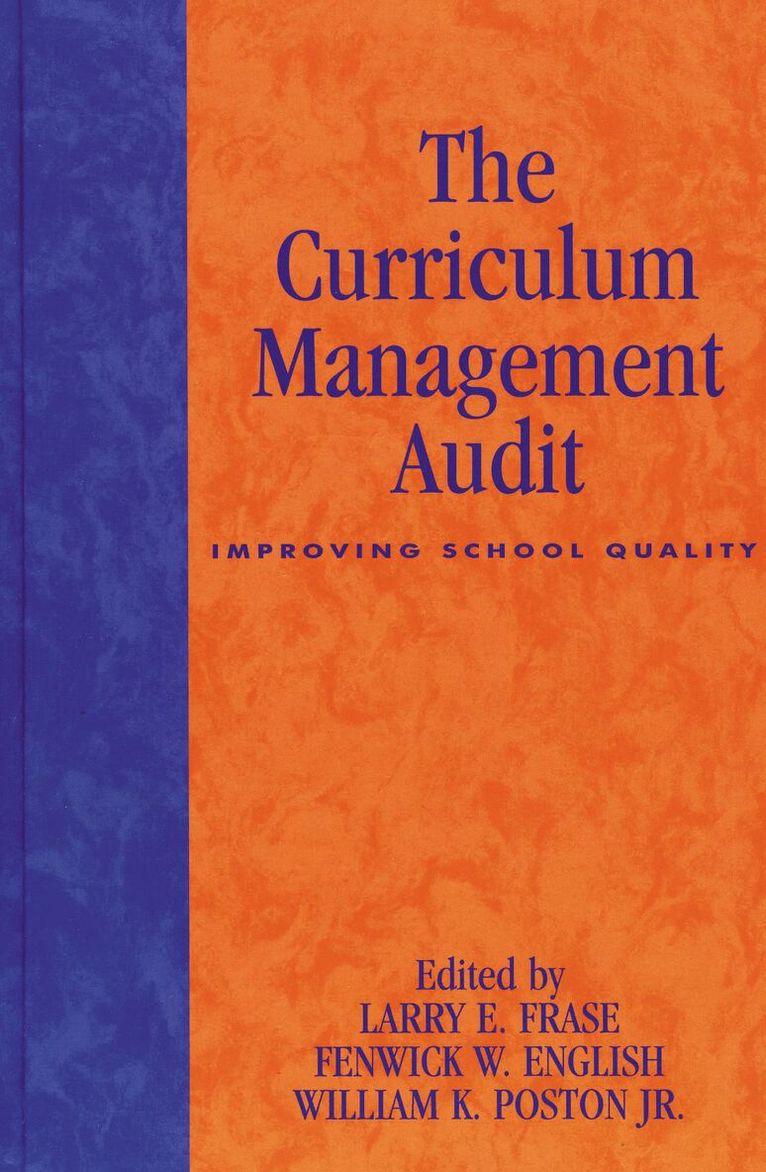
Larry E. Frase, Fenwick W. English, William K. Poston Jr.
Inbunden, 2000
951 kr
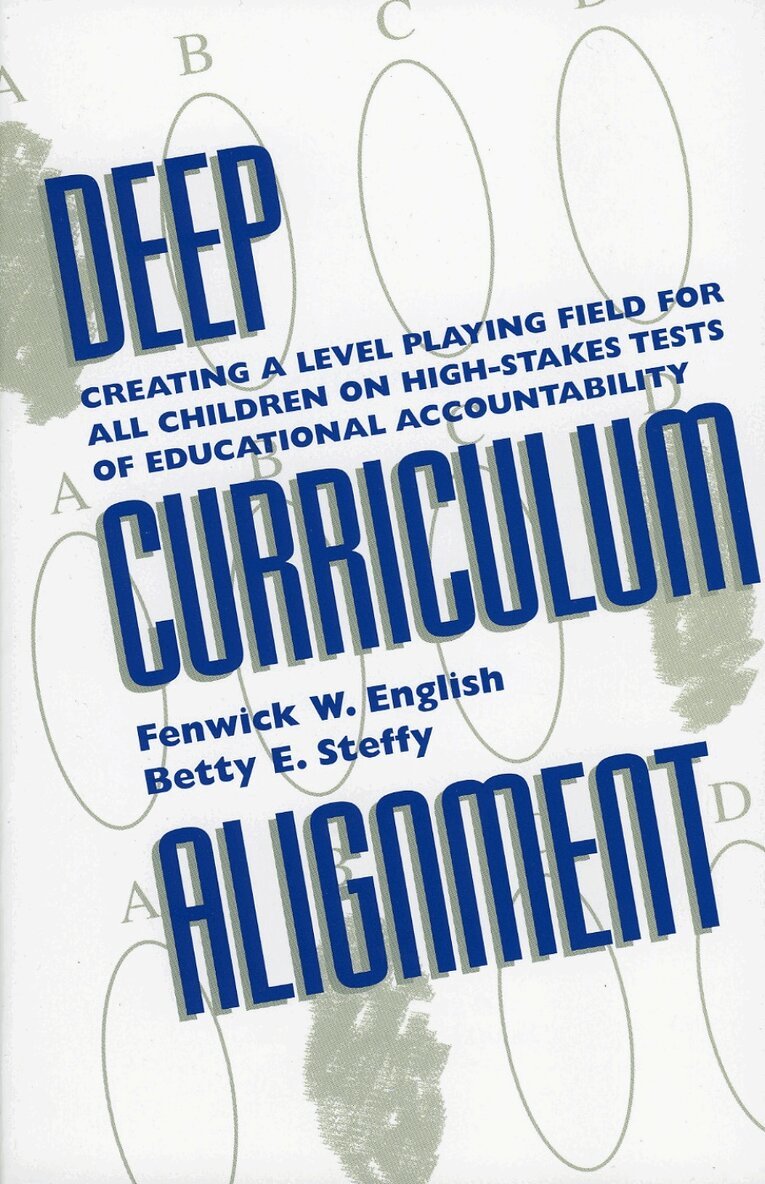

John A. Black, Fenwick W. English
Häftad, 2002
883 kr

John R. Hoyle, Fenwick W. English, Betty Steffy
Häftad, 1998
681 kr
John R. Hoyle, Fenwick W. English, Betty Steffy
741 kr


Carolyn J. Downey, Betty E. Steffy-English, William K. Poston, Fenwick W. English
Inbunden, 2008
1 365 kr
Carolyn Downey, Fenwick W. English, Carolyn J. Downey, Betty E. Steffy-English, Fenwick W. English, Larry E. Frase, William K. Poston
Häftad, 2004
670 kr
Rosemary Papa, Fenwick W. English, Theodore Creighton
Häftad, 2012
438 kr
1 700 kr
Beställningsvara. Skickas inom 3-6 vardagar. Fri frakt över 249 kr.
"English successfully challenges the established educational community to rethink the current state of research on school leadership in the social sciences...The inclusion of theory, discourse, and stories of recognized leaders followed by chapter learning extensions that include key concepts, movie recommendations, and prompted reflective journaling makes this book a most valuable resource for the educational leadership community." —H.J. Bultinck, CHOICE
"The Art of Educational Leadership provides one of the most complete examinations of leadership that I have encountered. I admire the way it urges students to think and reflect. The format allows individual learners to focus on those materials that best fit their learning style while the numerous presentations of a single topic through the different modalities strengthens the learning. This text is a fresh, new look at leadership..."
—Louise L MacKay, East Tennessee State University
"Fenwick W. English returns to themes of leadership he explored in more than 20 earlier books and dozens of presentation to educator audiences. He favors "re-centering educational leadership in the humanities," rather than acting on the recommendation of the business literature, and he emphasizes the use of films as a way to humanize leadership concepts."
—THE SCHOOL ADMINISTRATOR
"Excellent cogent analysis of key concepts of leadership are presented in a reader friendly style."
—Saul B. Grossman, Temple University
Moves beyond established notions of leadership to recognize that effective leading is about drama and performance—artistry!
The Art of Educational Leadership: Balancing Performance and Accountability stresses the human side of leadership. No other text on this topic demonstrates so ably the importance of artistry in leadership in a field that has been lopsidedly dominated by concepts informed by science.
Presenting the idea that leadership is an art, this book:
This is the first book in educational leadership to sketch out a balance between the science and the art of the field. The text illustrates how performance and practice represent the art, while the delineation of the skills and conceptual models represent the science.
Carolyn Downey, Fenwick W. English, Carolyn J. Downey, Betty E. Steffy-English, Fenwick W. English, Larry E. Frase, William K. Poston
Inbunden, 2004
1 249 kr
Carolyn Downey, Fenwick W. English, Carolyn J. Downey, Betty E. Steffy-English, Fenwick W. English, Larry E. Frase, William K. Poston
Häftad, 2004
670 kr
Larry E. Frase, Fenwick W. English, William K. Poston Jr.
Inbunden, 2000
951 kr
John A. Black, Fenwick W. English
Häftad, 2002
883 kr
John R. Hoyle, Fenwick W. English, Betty Steffy
Häftad, 1998
681 kr
John R. Hoyle, Fenwick W. English, Betty Steffy
741 kr
Carolyn J. Downey, Betty E. Steffy-English, William K. Poston, Fenwick W. English
Inbunden, 2008
1 365 kr
Carolyn Downey, Fenwick W. English, Carolyn J. Downey, Betty E. Steffy-English, Fenwick W. English, Larry E. Frase, William K. Poston
Häftad, 2004
670 kr
Rosemary Papa, Fenwick W. English, Theodore Creighton
Häftad, 2012
438 kr
1 700 kr
Beställningsvara. Skickas inom 3-6 vardagar. Fri frakt över 249 kr.
"English successfully challenges the established educational community to rethink the current state of research on school leadership in the social sciences...The inclusion of theory, discourse, and stories of recognized leaders followed by chapter learning extensions that include key concepts, movie recommendations, and prompted reflective journaling makes this book a most valuable resource for the educational leadership community." —H.J. Bultinck, CHOICE
"The Art of Educational Leadership provides one of the most complete examinations of leadership that I have encountered. I admire the way it urges students to think and reflect. The format allows individual learners to focus on those materials that best fit their learning style while the numerous presentations of a single topic through the different modalities strengthens the learning. This text is a fresh, new look at leadership..."
—Louise L MacKay, East Tennessee State University
"Fenwick W. English returns to themes of leadership he explored in more than 20 earlier books and dozens of presentation to educator audiences. He favors "re-centering educational leadership in the humanities," rather than acting on the recommendation of the business literature, and he emphasizes the use of films as a way to humanize leadership concepts."
—THE SCHOOL ADMINISTRATOR
"Excellent cogent analysis of key concepts of leadership are presented in a reader friendly style."
—Saul B. Grossman, Temple University
Moves beyond established notions of leadership to recognize that effective leading is about drama and performance—artistry!
The Art of Educational Leadership: Balancing Performance and Accountability stresses the human side of leadership. No other text on this topic demonstrates so ably the importance of artistry in leadership in a field that has been lopsidedly dominated by concepts informed by science.
Presenting the idea that leadership is an art, this book:
This is the first book in educational leadership to sketch out a balance between the science and the art of the field. The text illustrates how performance and practice represent the art, while the delineation of the skills and conceptual models represent the science.
Carolyn Downey, Fenwick W. English, Carolyn J. Downey, Betty E. Steffy-English, Fenwick W. English, Larry E. Frase, William K. Poston
Inbunden, 2004
1 249 kr
Carolyn Downey, Fenwick W. English, Carolyn J. Downey, Betty E. Steffy-English, Fenwick W. English, Larry E. Frase, William K. Poston
Häftad, 2004
670 kr
Larry E. Frase, Fenwick W. English, William K. Poston Jr.
Inbunden, 2000
951 kr
John A. Black, Fenwick W. English
Häftad, 2002
883 kr
John R. Hoyle, Fenwick W. English, Betty Steffy
Häftad, 1998
681 kr
John R. Hoyle, Fenwick W. English, Betty Steffy
741 kr
Carolyn J. Downey, Betty E. Steffy-English, William K. Poston, Fenwick W. English
Inbunden, 2008
1 365 kr
Carolyn Downey, Fenwick W. English, Carolyn J. Downey, Betty E. Steffy-English, Fenwick W. English, Larry E. Frase, William K. Poston
Häftad, 2004
670 kr
Rosemary Papa, Fenwick W. English, Theodore Creighton
Häftad, 2012
438 kr