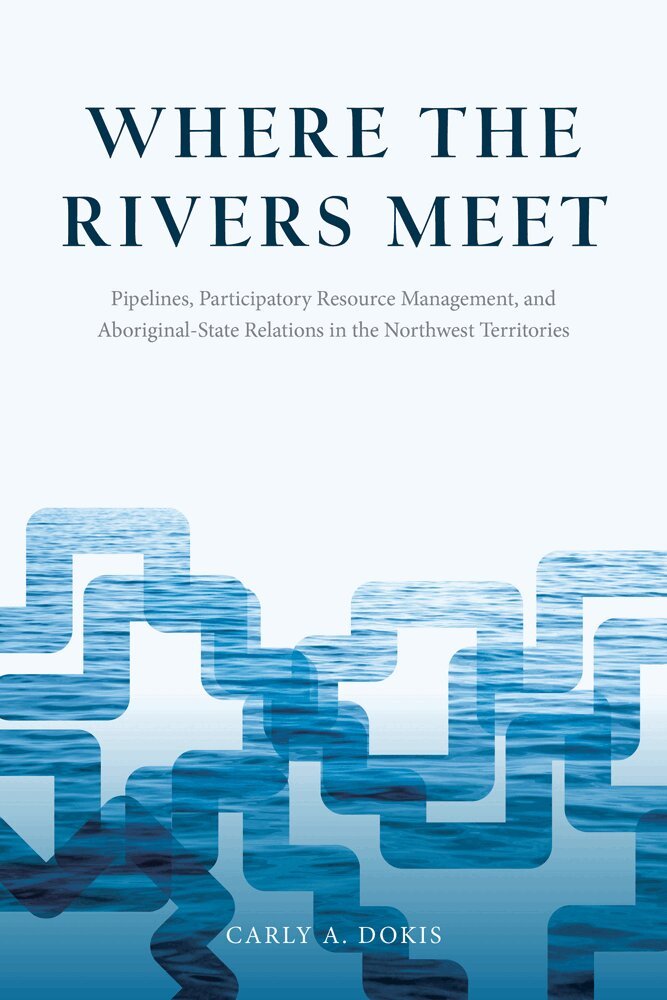
Inbunden, Engelska, 2015
Where the Rivers Meet
Pipelines, Participatory Resource Management, and Aboriginal-State Relations in the Northwest Territories
Del i serien Nature | History | Society
1108 kr
Beställningsvara. Skickas inom 7-10 vardagar. Fri frakt över 249 kr.
Beskrivning
Produktinformation
- Utgivningsdatum: 2015-07-01
- Mått: 152 x 229 x undefined mm
- Vikt: 480 g
- Format: Inbunden
- Språk: Engelska
- Serie: Nature | History | Society
- Antal sidor: 240
- Förlag: University of British Columbia Press
- ISBN: 9780774828451
Utforska kategorier
Mer om författaren
Carly A. Dokis is an assistant professor in the Department of Sociology and Anthropology at Nipissing University. Her research interests include political ecology, anthropology of development, collaborative research methodologies, and the ethnology of northern Canada. She has worked with communities in northern Ontario and the Northwest Territories with a broad focus on the social, economic, and political consequences of participatory environmental management.
Recensioner i media
This book represents a significant contribution to our understanding of barriers to procedural justice in Aboriginal communities, and it offers important lessons for regulators, policy makers, and rights advocates well beyond the Northwest Territories. Senior undergraduate or graduate students interested in anthropology, indigenous studies, or political ecology will find the work accessible and very relevant to the contemporary history of development on aboriginal lands. - Cyrus M. Hester, Arizona State University (NICHE)
Betyg & recensioner
0 recensioner
Inga recensioner tillgängliga.