• Fri frakt över 249 kr
  • •
  • Snabba leveranser
  • •
  • Billiga böcker
Kundservice

Du är på sajten för privatpersoner.

Företag, bibliotek eller offentlig verksamhet?

Du handlar på classic.bokus.com, där alla dina funktioner finns intakta.
Till classic.bokus.com
Bokus logotyp. Gå till startsidan.
  • Erbjudanden
  • Student
  • Topplistor
  • Barn & ungdom
  • Bokus Play
  • E-böcker
  • Ljudböcker
  • Pocketböcker
  • Spel & pussel

10% rabatt på allt med kod NYSTART10 →

Sidfot

Mina sidor

    Hjälp

    • Kundservice
    • Vanliga frågor och svar
    • Frakt och leverans
    • Retur vid ångerrätt
    • Reklamera vara
    • Betalning
    • Köpvillkor
    • Allmänna villkor
    • Information om webbplatsens tillgänglighet

    Om Bokus

    • Om oss
    • Pressrum
    • För studenter
    • För företag
    • För bibliotek och offentlig verksamhet
    • För leverantörer
    • Hållbarhet

    Populärt

    • Aktuella erbjudanden
    • Presentkort
    • Studentlitteratur
    • Nya böcker
    • Topplistor
    • Signerade böcker
    • Engelska böcker

    Inspiration

    • Boktips
    • BookTok
    • Populära bokserier
    • Barnbokskaraktärer
    • Populära författare
    Logotyp för Bokus
    Följ oss på Facebook (extern länk)Följ oss på Instagram (extern länk)Följ oss på YouTube (extern länk)Följ oss på TikTok (extern länk)
    bokus @ CookiesAnpassa cookiesIntegritetspolicyKöpvillkor
    Till Citymail hemsida (extern länk)Till Budbee hemsida (extern länk)Till Postnord hemsida (extern länk)Till Schenker hemsida (extern länk)Till Early Bird hemsida (extern länk)Till Walleys hemsida (extern länk)
    1. Filosofi och religion
    2. Religion och tro
    3. Andra religioner och trosföreställningar
    4. Östasiatiska religioner

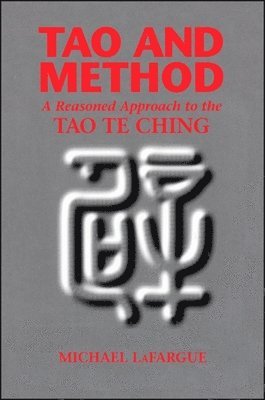
    Tao and Method

    A Reasoned Approach to the Tao Te Ching

    AvMichael LaFargue

    Häftad, Engelska, 1994

    Del i serien SUNY series in Chinese Philosophy and Culture

    417 kr

    Beställningsvara. Skickas inom 7-10 vardagar. Fri frakt över 249 kr.

    Beskrivning

    While the Tao Te Ching has been translated and commented on countless times, interpretations are seldom based on systematic theoretical treatment of the problems of interpretive method posed by this enigmatic classic. Beginning with a critical discussion of modern hermeneutics including treatments of Hirsch, Gadamer, and Derrida, this book applies methods developed in biblical studies to the Tao Te Ching. The following chapters discuss systematically four areas necessary to recovering the Tao Te Ching 's original meaning: its social background; the semantic structure of the brief aphorisms contained in the book; the concrete background of the more cosmic sayings; and the origin and genre of the 81 chapters of the Tao Te Ching. These essays propose relatively new theories in each of these areas, leading to a new approach to the interpretation of the text. This approach is illustrated in the translation and the detailed commentary on each chapter.

    Produktinformation

    • Utgivningsdatum:1994-08-30
    • Mått:152 x 229 x 25 mm
    • Vikt:871 g
    • Format:Häftad
    • Språk:Engelska
    • Serie:SUNY series in Chinese Philosophy and Culture
    • Antal sidor:658
    • Förlag:State University of New York Press
    • ISBN:9780791416020

    Utforska kategorier

    • Östasiatiska religioner inom Filosofi och religion
    • Filosofiska discipliner inom Filosofi och religion

    Mer om författaren

    Michael LaFargue is the author of Language and Gnosis and teaches at the University of Massachusetts in Boston.

    Recensioner i media

    "This translation and commentary takes a novel, even controversial approach to the Tao Te Ching, presenting the reader with a full-blown culturological understanding of this core Taoist Classic." — Roger T. Ames, University of Hawaii"More than any other classical Chinese work, perhaps, the Tao Te Ching has been ripped from its historical, cultural and concretely experiential context and employed (like a set of transcultural Rorschach images) to tickle the meditative fancies of Mystical Everyman. LaFargue's worry about the origin and evolution of the text, its intended audience, and the 'purpose' of its aphorisms, allows him to ask relevant hermeneutical questions, the responses to which open the text in a new way." — David L. Hall, The University of Texas

    Innehållsförteckning

    • Acknowledgments IntroductionPart I: Hermeneutics Introduction 1. Interpretation and Meaning: Two Histories HermeneuticsThe Ontology of Meaning: A History and a Proposal 2. Philosophical Foundations for Interpretive Method Philosophical FoundationsLanguage and RealityThe Idea of CompetenceThis Hermeneutics Comared and Contrasted with Recent Trends in HermeneuticsPart II: Sociohistorical Background Introduction 3. The Self Understanding of Warring States Shih China in the Late Warring States PeriodCho-yun Hsu on the Rise of the ShihShih IdealistsHow did Shih-Idealists Gain Recognition?The Shih-School as an Environment for Idealism 4. Mencius on the Role of the Shih-Idealist Doctrinal Wolrdviews vs. the Mencian WorldviewMencius Stakes Out an Expanded Role for Shih-IdealistsOther Shih-Schools 5. Mencius on Virtue The Content of Mencius' Instruction to KingsSelf-CultivationConclusion: The Mencian Shih vs. the Modern PhilosopherMencius and the Tao Te ChingPart III: Verbal Form and the Structure of Laoist Thought Introduction 6. The Semantic Structure of Aphorisms The Proverb as a Special Genre of SpeechConversational ImplicatureSpeech ActsThe Target of ProverbsThe Attitude Expressed and the Value-Orientation Motivating It 7. Understanding Laoist Polemic Aphorisms DefinitenessMaking Sense of the Paradoxical Style of Laoist AphorismsThe Problem of CoherenceThe Unifying Basis for Laoist Thought: A Concern for Organic HarmonyAppendix: Sayings About Nature, Heaven, and the Ancients 8. Sayings and Self-Cultivation IntroductionThe Nei YehSome Parallels Between the Tao Te Ching and the Nei Yeh 9. The Vocabulary of Self-Cultivation in the Chuang Tzu and the Tao Te Ching Self-Cultivation Vocabulary in the Chuang TzuThe Vocabulary of Self-Cultivation in the Tao Te Ching 10. The Wonderful and Cosmic Tao "Softness Overcomes Hardness"Sayings Linking One Quality to AnotherNormative DescriptionsSayings Describing the Wonderful Benefits of the Qualities Laoists CultivateCosmic Sayings: A General Thesis"Stillness is the Norm of the World"CosmogoniesContradictions and Non-Literal Understanding 11. A Pluralist but Critical Theory of Worldviews The Dilemmas of Ethnocentrism and DiversityA Broadened Thoery of "The Good" as an Irreducible Ontological CategoryConversion and the Transformation of the LebensweltTranscendenceSubject's View and Outsider's ViewThe Laoist "System"Some Comments on Contemporary Relevance 12. The Art of the Sayings Collage Indirect External EvidenceInternal Evidence That the Tao Te Ching is Composed of Sayings from an Oral TraditionInternal Evidence for Deliberate and Artful Composition of the ChaptersSubstative Associations of the ComposersPart IV: Translation, Commentary, and Topical Glossary Introduction Translation and Commentary Additional Textual Notes Topical Glossary Notes References Subject Index Author Index Index of Passages Discussed List of Chapters in the Traditional Arrangement