• Fri frakt över 249 kr
  • •
  • Snabba leveranser
  • •
  • Billiga böcker
Kundservice

Du är på sajten för privatpersoner.

Företag, bibliotek eller offentlig verksamhet?

Du handlar på classic.bokus.com, där alla dina funktioner finns intakta.
Till classic.bokus.com
Bokus logotyp. Gå till startsidan.
  • Erbjudanden
  • Nyheter
  • Student
  • Topplistor
  • Barn & ungdom
  • Bokus Play
  • E-böcker
  • Pocketböcker
  • Spel & pussel

10% rabatt på allt med kod: NYSTART10 →

Sidfot

Mina sidor

    Hjälp

    • Kundservice
    • Vanliga frågor och svar
    • Frakt och leverans
    • Retur vid ångerrätt
    • Reklamera vara
    • Betalning
    • Köpvillkor
    • Allmänna villkor
    • Information om webbplatsens tillgänglighet

    Om Bokus

    • Om oss
    • Pressrum
    • För studenter
    • För företag
    • För bibliotek och offentlig verksamhet
    • För leverantörer
    • Hållbarhet

    Populärt

    • Aktuella erbjudanden
    • Presentkort
    • Studentlitteratur
    • Nya böcker
    • Topplistor
    • Signerade böcker
    • Engelska böcker

    Inspiration

    • Boktips
    • BookTok
    • Populära bokserier
    • Barnbokskaraktärer
    • Populära författare
    Logotyp för Bokus
    Följ oss på Facebook (extern länk)Följ oss på Instagram (extern länk)Följ oss på YouTube (extern länk)Följ oss på TikTok (extern länk)
    bokus @ CookiesAnpassa cookiesIntegritetspolicyKöpvillkor
    Till Citymail hemsida (extern länk)Till Budbee hemsida (extern länk)Till Postnord hemsida (extern länk)Till Schenker hemsida (extern länk)Till Early Bird hemsida (extern länk)Till Walleys hemsida (extern länk)
    1. Samhälle och politik
    2. Samhälle och kultur
    3. Kultur och medier
    4. Kulturvetenskap

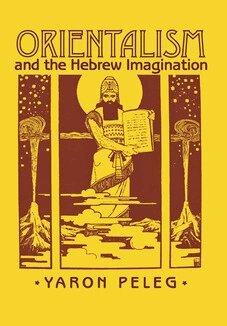
    Orientalism and the Hebrew Imagination

    AvYaron Peleg

    Inbunden, Engelska, 2005

    823 kr

    Beställningsvara. Skickas inom 10-15 vardagar. Fri frakt över 249 kr.

    Beskrivning

    Calling into question prevailing notions about Orientalism, Yaron Peleg shows how the paradoxical mixture of exoticism and familiarity with which Jews related to Palestine at the beginning of the twentieth century shaped the legacy of Zionism. In Peleg's view, the tension between romancing the East and colonizing it inspired a revolutionary reform that radically changed Jewish thought during the Hebrew Revival that took place between 1900 and 1930.Orientalism and the Hebrew Imagination introduces a fresh voice to the contentious debate over the concept of Orientalism. Zionism has often been labeled a Western colonial movement that sought to displace and silence Palestinian Arabs. Based on his readings of key texts, Peleg asserts that early Zionists were inspired by Palestinian Arab culture, which in turn helped mold modern Jewish gender, identity, and culture.Peleg begins with the new ways in which the lands of the Bible are formulated as a modern "Orient" in David Frishman's Bamidbar. He continues by showing how in The Sons of Arabia, Moshe Smilansky laid the basis for the literary construction of the "New Jew," modeled after Palestinian Arabs. Peleg concludes with a discussion of L. A. Arielli's 1913 play Allah Karim! in which both the promise and the problems of the Land of Israel as "Orient" marked the end of Hebrew Orientalism as a viable cultural option.

    Produktinformation

    • Utgivningsdatum:2005-11-07
    • Mått:152 x 229 x 19 mm
    • Vikt:454 g
    • Format:Inbunden
    • Språk:Engelska
    • Antal sidor:166
    • Förlag:Cornell University Press
    • ISBN:9780801443763

    Utforska kategorier

    • Kulturvetenskap inom Samhälle och politik
    • Asiens historia inom Historia och arkeologi
    • Litteraturvetenskap inom Skönlitteratur

    Mer om författaren

    Yaron Peleg is Assistant Professor of Hebrew at George Washington University. He is the author of Derekh Gever.

    Recensioner i media

    Peleg reframes the debate on Orientalism and Zionism in refreshing new directions, demanding a new look at traditional conceptions of Orientalism in general and its specific application to Zionism and diaspora Jewry.- Tzvi Kahn (Middle East Quarterly)