• Fri frakt över 249 kr
  • •
  • Snabba leveranser
  • •
  • Billiga böcker
Kundservice

Du är på sajten för privatpersoner.

Företag, bibliotek eller offentlig verksamhet?

Du handlar på classic.bokus.com, där alla dina funktioner finns intakta.
Till classic.bokus.com
Bokus logotyp. Gå till startsidan.
  • Erbjudanden
  • Nyheter
  • Student
  • Topplistor
  • Barn & ungdom
  • Bokus Play
  • E-böcker
  • Pocketböcker
  • Spel & pussel

10% rabatt på allt med kod: NYSTART10 →

Sidfot

Mina sidor

    Hjälp

    • Kundservice
    • Vanliga frågor och svar
    • Frakt och leverans
    • Retur vid ångerrätt
    • Reklamera vara
    • Betalning
    • Köpvillkor
    • Allmänna villkor
    • Information om webbplatsens tillgänglighet

    Om Bokus

    • Om oss
    • Pressrum
    • För studenter
    • För företag
    • För bibliotek och offentlig verksamhet
    • För leverantörer
    • Hållbarhet

    Populärt

    • Aktuella erbjudanden
    • Presentkort
    • Studentlitteratur
    • Nya böcker
    • Topplistor
    • Signerade böcker
    • Engelska böcker

    Inspiration

    • Boktips
    • BookTok
    • Populära bokserier
    • Barnbokskaraktärer
    • Populära författare
    Logotyp för Bokus
    Följ oss på Facebook (extern länk)Följ oss på Instagram (extern länk)Följ oss på YouTube (extern länk)Följ oss på TikTok (extern länk)
    bokus @ CookiesAnpassa cookiesIntegritetspolicyKöpvillkor
    Till Citymail hemsida (extern länk)Till Budbee hemsida (extern länk)Till Postnord hemsida (extern länk)Till Schenker hemsida (extern länk)Till Early Bird hemsida (extern länk)Till Walleys hemsida (extern länk)
    1. Samhälle och politik
    2. Samhälle och kultur
    3. Sociala grupper och identitet

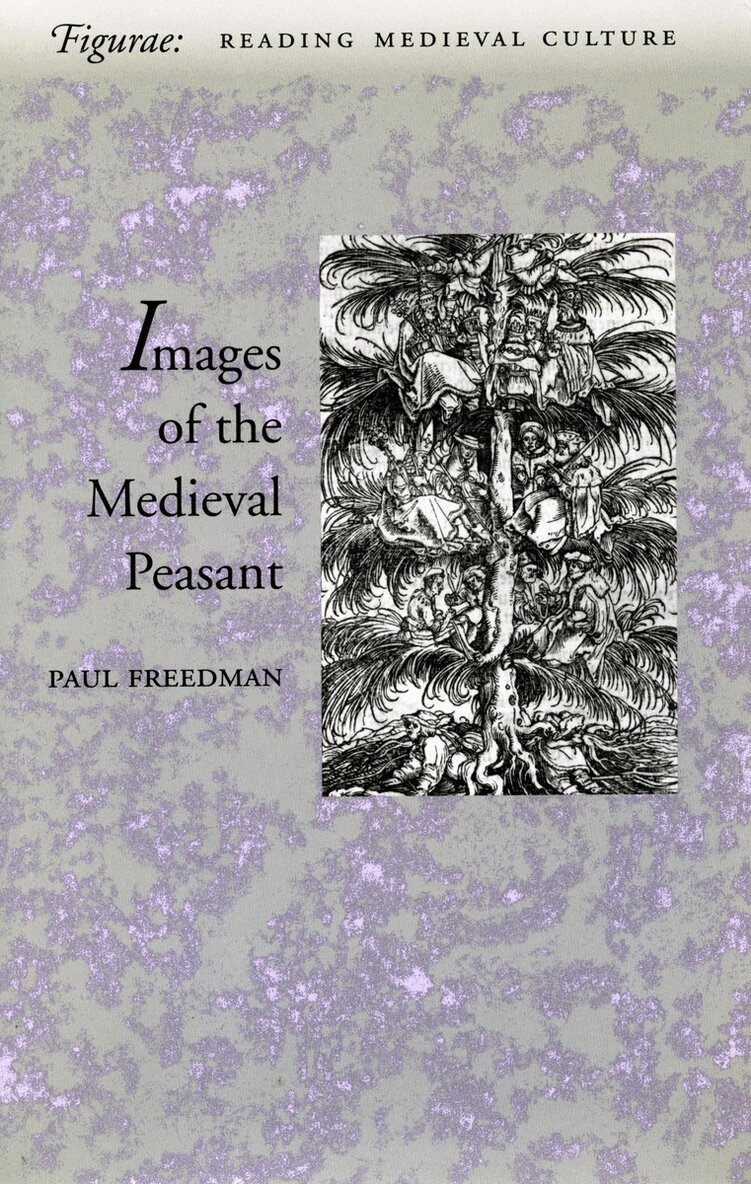
    Images of the Medieval Peasant

    AvPaul Freedman

    Häftad, Engelska, 1999

    Del i serien Figurae: Reading Medieval Culture

    444 kr

    Beställningsvara. Skickas inom 5-8 vardagar. Fri frakt över 249 kr.

    Fler format och utgåvor

    Inbunden

    1 836 kr

    Beskrivning

    The medieval clergy, aristocracy, and commercial classes tended to regard peasants as objects of contempt and derision. In religious writings, satires, sermons, chronicles, and artistic representations peasants often appeared as dirty, foolish, dishonest, even as subhuman or bestial. Their lowliness was commonly regarded as a natural corollary of the drudgery of their agricultural toil.Yet, at the same time, the peasantry was not viewed as "other" in the manner of other condemned groups, such as Jews, lepers, Muslims, or the imagined "monstrous races" of the East. Several crucial characteristics of the peasantry rendered it less clearly alien from the elite perspective: peasants were not a minority, their work in the fields nourished all other social orders, and, most important, they were Christians. In other respects, peasants could be regarded as meritorious by virtue of their simple life, productive work, and unjust suffering at the hands of their exploitive social superiors. Their unrewarded sacrifice and piety were also sometimes thought to place them closest to God and more likely to win salvation.This book examines these conflicting images of peasants from the post-Carolingian period to the German Peasants' War. It relates the representation of peasants to debates about how society should be organized (specifically, to how human equality at Creation led to subordination), how slavery and serfdom could be assailed or defended, and how peasants themselves structured and justified their demands.Though it was argued that peasants were legitimately subjugated by reason of nature or some primordial curse (such as that of Noah against his son Ham), there was also considerable unease about how the exploitation of those who were not completely alien—who were, after all, Christians—could be explained. Laments over peasant suffering as expressed in the literature might have a stylized quality, but this book shows how they were appropriated and shaped by peasants themselves, especially in the large-scale rebellions that characterized the late Middle Ages.

    Produktinformation

    • Utgivningsdatum:1999-01-01
    • Mått:152 x 229 x 34 mm
    • Vikt:689 g
    • Format:Häftad
    • Språk:Engelska
    • Serie:Figurae: Reading Medieval Culture
    • Antal sidor:484
    • Förlag:Stanford University Press
    • ISBN:9780804733731

    Utforska kategorier

    • Sociala grupper och identitet inom Samhälle och politik
    • Medeltiden inom Historia och arkeologi

    Mer om författaren

    Paul Freedman is Professor of History at Yale University and the author, most recently, of Church, Law, and Society in Catalonia, 900-1500.

    Recensioner i media

    "Freedman's command of material drawn from all over Europe is impressive and anyone interested in the medieval or early modern German peasantry will profit greatly from reading this book."—Central European History

    Innehållsförteckning

    • Introduction: marginality and centrality of peasants; Part I. Peasant Labor and a Hierarchical Society: 1. Peasant labor and the limits of mutuality; 2. The breakdown of mutuality: laments over the mistreatment of peasants; Part II. The Origins of Inequality: 3. Equality and freedom at creation; 4. The curse of Noah; 5. National myths and the origins of serfdom; Part III. Unfavorable Images of Peasants: 6. Representations of contempt and subjugation; 7. Peasant bodies, male and female; Part IV. Peasant Agency, Peasant Humanity: 8. Peasant warriors and peasant liberties; 9. Pious and exemplary peasants; Part V. The Revolt Against Servitude: 10. The problem of servitude: arbitrary mistreatment, symbolic degradation; 11. Peasant rebellions of the late middle ages; Conclusion: harmony and dissonance.