• Fri frakt över 249 kr
  • •
  • Snabba leveranser
  • •
  • Billiga böcker
Kundservice

Du är på sajten för privatpersoner.

Företag, bibliotek eller offentlig verksamhet?

Du handlar på classic.bokus.com, där alla dina funktioner finns intakta.
Till classic.bokus.com
Bokus logotyp. Gå till startsidan.
  • Erbjudanden
  • Nyheter
  • Student
  • Topplistor
  • Barn & ungdom
  • Bokus Play
  • E-böcker
  • Pocketböcker
  • Spel & pussel

10% rabatt på allt med kod NYSTART10 →

Sidfot

Mina sidor

    Hjälp

    • Kundservice
    • Vanliga frågor och svar
    • Frakt och leverans
    • Retur vid ångerrätt
    • Reklamera vara
    • Betalning
    • Köpvillkor
    • Allmänna villkor
    • Information om webbplatsens tillgänglighet

    Om Bokus

    • Om oss
    • Pressrum
    • För studenter
    • För företag
    • För bibliotek och offentlig verksamhet
    • För leverantörer
    • Hållbarhet

    Populärt

    • Aktuella erbjudanden
    • Presentkort
    • Studentlitteratur
    • Nya böcker
    • Topplistor
    • Signerade böcker
    • Engelska böcker

    Inspiration

    • Boktips
    • BookTok
    • Populära bokserier
    • Barnbokskaraktärer
    • Populära författare
    Logotyp för Bokus
    Följ oss på Facebook (extern länk)Följ oss på Instagram (extern länk)Följ oss på YouTube (extern länk)Följ oss på TikTok (extern länk)
    bokus @ CookiesAnpassa cookiesIntegritetspolicyKöpvillkor
    Till Citymail hemsida (extern länk)Till Budbee hemsida (extern länk)Till Postnord hemsida (extern länk)Till Schenker hemsida (extern länk)Till Early Bird hemsida (extern länk)Till Walleys hemsida (extern länk)
    1. Samhälle och politik
    2. Politik och statsskick
    3. Politiskt förtryck

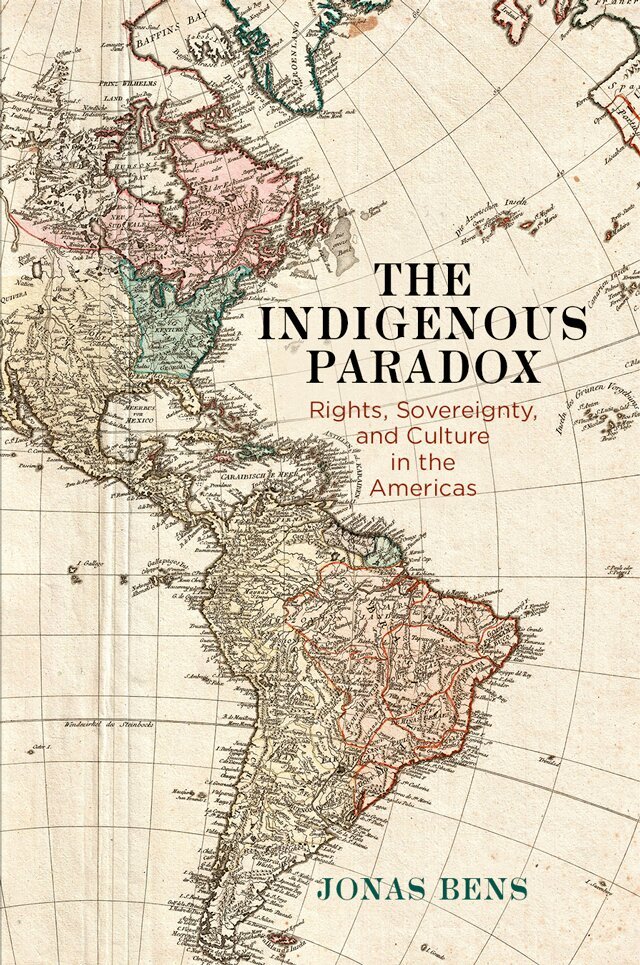
    Indigenous Paradox

    Rights, Sovereignty, and Culture in the Americas

    AvJonas Bens

    Inbunden, Engelska, 2020

    Del i serien Pennsylvania Studies in Human Rights

    883 kr

    Beställningsvara. Skickas inom 5-8 vardagar. Fri frakt över 249 kr.

    Fler format och utgåvor

    E-bok

    1 499 kr

    Beskrivning

    An investigation into how indigenous rights are conceived in legal language and doctrineIn the twenty-first century, it is politically and legally commonplace that indigenous communities go to court to assert their rights against the postcolonial nation-state in which they reside. But upon closer examination, this constellation is far from straightforward. Indigenous communities make their claims as independent entities, governed by their own laws. And yet, they bring a case before the court of another sovereign, subjecting themselves to its foreign rule of law.According to Jonas Bens, when native communities enter into legal relationships with postcolonial nation-states, they "become indigenous." Indigenous communities define themselves as separated from the settler nation-state and insist that their rights originate from within their own system of laws. At the same time, indigenous communities must argue that they are incorporated in the settler nation-state to be able to use its judiciary to enforce these rights. As such, they are simultaneously included into and excluded from the state.Tracing how the indigenous paradox is inscribed into the law by investigating several indigenous rights cases in the Americas, from the early nineteenth century to the early twenty-first, Bens illustrates how indigenous communities have managed-and continue to manage-to navigate this paradox by developing lines of legal reasoning that mobilize the concepts of sovereignty and culture. Bens argues that understanding indigeneity as a paradoxical formation sheds light on pressing questions concerning the role of legal pluralism and shared sovereignty in contemporary multicultural societies.

    Produktinformation

    • Utgivningsdatum:2020-07-10
    • Mått:152 x 229 x 25 mm
    • Vikt:494 g
    • Format:Inbunden
    • Språk:Engelska
    • Serie:Pennsylvania Studies in Human Rights
    • Antal sidor:280
    • Förlag:University of Pennsylvania Press
    • ISBN:9780812252309

    Utforska kategorier

    • Politiskt förtryck inom Samhälle och politik
    • Etnicitet inom Samhälle och politik

    Mer om författaren

    Jonas Bens is a postdoctoral researcher in the Department of Social and Cultural Anthropology at Freie Universitat Berlin.

    Recensioner i media

    "The Indigenous Paradox provides a valuable reference tool for scholars and activists working in the Americas and in other postcolonial settings around the world. It provides a strong basis for comparing the multiple valences of indigeneity and the distinct meanings that Indigenous communities ascribe to its cultural and juridical contexts." (Latin American Research Review) "Jonas Bens' ambitious book...explores the political impact of state recognition for indigenous and tribal peoples enacting indigenous rights claims...As a contribution to scholarship examining local and international human rights systems, the book makes a strong argument for a comparative ethnographic approach to legal texts in showing how indigeneity is both emergent within and constructed against national and international legal systems." (The New Rambler) "For legal historians interested in an overall vision of indigenous rights in the Americas, this is an indispensable work because it questions current paradigms—both the strict division between North and South America as well as the supposed authenticity and ancestry that is often attributed to rights historically subject to what Bens calls the indigenous paradox. For this reason, it is a recommendable book for ethnohistorians, anthropologists and Americanists dedicated to the study of the problems of native peoples. For sure, it is a work that contributes to the attempts to decolonize history and law because such attempts are likewise subject to the indigenous paradox the author describes…This is an original book, very well written and researched." (Rechtsgeschichte / Legal History) "Through an anthropological reading of landmark indigenous rights cases in the Americas, Jonas Bens illuminates central features of indigenous identity and clarifies central contradictions of indigenous political engagement, providing a sense of what is at stake regarding aboriginal rights today." (David Dinwoodie, University of New Mexico)

    Innehållsförteckning

    • List of AbbreviationsA Note on TerminologyChapter 1. Indigeneity and the LawChapter 2. The Invention of the Sovereignty Approach to Indigenous Rights: Johnson v. McIntoshChapter 3. "Domestic Dependent Nations" and Indigenous Identity: Cherokee Nation v. GeorgiaChapter 4. How to Win with the Sovereignty Approach: Worcester v. GeorgiaChapter 5. "Rooted Legal Pluralism" and Its Culturalized Boundaries: Delgamuukw v. British ColumbiaChapter 6. "De Facto Legal Pluralism" and the Problem of Not Being "Different Enough": Aloeboetoe v. SurinameChapter 7. The Invention of the Culture Approach to Indigenous Rights: Awas Tingni v. NicaraguaChapter 8. Expansions and Limits of the Culture Approach: Saramaka v. SurinameChapter 9. Sovereignty, Culture, and the Indigenous ParadoxChapter 10. Indigeneity and the Politics of RecognitionNotesReferencesIndexAcknowledgments