• Fri frakt över 249 kr
  • •
  • Snabba leveranser
  • •
  • Billiga böcker
Kundservice

Du är på sajten för privatpersoner.

Företag, bibliotek eller offentlig verksamhet?

Du handlar på classic.bokus.com, där alla dina funktioner finns intakta.
Till classic.bokus.com
Bokus logotyp. Gå till startsidan.
  • Erbjudanden
  • Nyheter
  • Student
  • Topplistor
  • Barn & ungdom
  • Bokus Play
  • E-böcker
  • Pocketböcker
  • Spel & pussel

10% rabatt på allt med kod: NYSTART10 →

Sidfot

Mina sidor

    Hjälp

    • Kundservice
    • Vanliga frågor och svar
    • Frakt och leverans
    • Retur vid ångerrätt
    • Reklamera vara
    • Betalning
    • Köpvillkor
    • Allmänna villkor
    • Information om webbplatsens tillgänglighet

    Om Bokus

    • Om oss
    • Pressrum
    • För studenter
    • För företag
    • För bibliotek och offentlig verksamhet
    • För leverantörer
    • Hållbarhet

    Populärt

    • Aktuella erbjudanden
    • Presentkort
    • Studentlitteratur
    • Nya böcker
    • Topplistor
    • Signerade böcker
    • Engelska böcker

    Inspiration

    • Boktips
    • BookTok
    • Populära bokserier
    • Barnbokskaraktärer
    • Populära författare
    Logotyp för Bokus
    Följ oss på Facebook (extern länk)Följ oss på Instagram (extern länk)Följ oss på YouTube (extern länk)Följ oss på TikTok (extern länk)
    bokus @ CookiesAnpassa cookiesIntegritetspolicyKöpvillkor
    Till Citymail hemsida (extern länk)Till Budbee hemsida (extern länk)Till Postnord hemsida (extern länk)Till Schenker hemsida (extern länk)Till Early Bird hemsida (extern länk)Till Walleys hemsida (extern länk)
    1. Samhälle och politik
    2. Samhälle och kultur
    3. Kultur och medier
    4. Kulturvetenskap

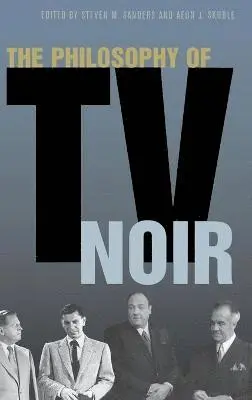
    Philosophy of TV Noir

    AvSteven Sanders,Aeon J Skoble

    Inbunden, Engelska, 2008

    Del i serien Philosophy of Popular Culture

    499 kr

    Beställningsvara. Skickas inom 3-6 vardagar. Fri frakt över 249 kr.

    Beskrivning

    The influence of classic film noir on the style and substance of television in the 1950s and 1960s has persisted to the present day. Its pervasiveness suggests the vitality of the noir depiction of human experience and the importance of TV for transmitting the legacy of film noir and producing new forms of noir. Noir television is also noteworthy for its capacity to raise philosophical questions about the nature of the human condition. Drawing from the fields of philosophy, media studies, and literature, the contributors to The Philosophy of TV Noir illuminate the best of noir television, including such shows as Dragnet, The Fugitive, Miami Vice, The X-Files, CSI, and 24.

    Produktinformation

    • Utgivningsdatum:2008-01-04
    • Mått:152 x 229 x 21 mm
    • Vikt:590 g
    • Format:Inbunden
    • Språk:Engelska
    • Serie:Philosophy of Popular Culture
    • Antal sidor:288
    • Förlag:The University Press of Kentucky
    • ISBN:9780813124490

    Utforska kategorier

    • Kulturvetenskap inom Samhälle och politik
    • Medievetenskap inom Samhälle och politik
    • Television inom Kultur

    Mer om författaren

    Steven M. Sanders, emeritus professor of philosophy at Bridgewater State College, is the editor of The Philosophy of Science Fiction Film. Aeon J. Skoble, associate professor of philosophy at Bridgewater State College, is coeditor of The Simpsons and Philosophy: The D'oh! of Homer.

    Recensioner i media

    Given the centrality of television as an organ of popular culture, this book is profoundly important to understanding the legacy of film noir. - Chris Matthew Sciabarra, author of Total Freedom: Toward a Dialectical Libertarianism

    Innehållsförteckning

    • Introduction: War Films and the Ineffability of WarWar and RepresentationWar Pictures: Digital Surveillance from Foreign Theater to Homeland Security FrontLenses into War: Digital Vérité in Iraq War FilmsBeyond Panopticism: The Biopolitical Labor of Surveillance and War in Contemporary FilmSeeing Soldiers, Seeing Persons: Wittgenstein, Film Theory, and Charlie Chaplin's Shoulder ArmsApocalypse Within: The War Epic as Crisis of Self-IdentityThe Violated Body: Affective Experience and Somatic Intensity in Zero Dark Thirty"All in War with Time": Medium as Meditation in Sherman's MarchThe Power of Memory and the Memory of Power: Wars and Graves in Westerns and JidaigekiThe Ubiquitous Absence of the Enemy in Contemporary Israeli War FilmsGeneral Patton and Private Ryan: The Conflicting Reality of War and Films about WarThe Work of Art in the Age of Embedded Journalism: Fiction versus Depiction in Zero Dark ThirtyVernacular Metaphysics: On Terrence Malick's The Thin Red LineWar and Its Fictional Recovery on Screen: Narrative Management of Death in The Big Red One and The Thin Red Line"Profoundly Unreconciled to Nature": Ecstatic Truth and the Humanistic Sublime in Werner Herzog's War Films