
Chemical Consequences
Environmental Mutagens, Scientist Activism, and the Rise of Genetic Toxicology
Häftad, Engelska, 2004
409 kr
Beställningsvara. Skickas inom 11-20 vardagar. Fri frakt över 249 kr.
Beskrivning
Hereis the first historical and sociological account of the formation of an interdisciplinary science known as genetic toxicology, and of the scientists’ social movement that created it.After research geneticists discovered that synthetic chemicals were capable of changing the genetic structure of living organisms, scientists began to explore how these chemicals affected gene structure and function. In the late 1960s, a small group of biologists became concerned that chemical mutagens represented a serious and possibly global environmental threat.Genetic toxicology is nurtured as much by public culture as by professional practices, reflecting the interplay of genetics research and environmental politics. Drawing on a wealth of resources, Scott Frickel examines the creation of this field through the lens of social movement theory. He reveals how a committed group of scientist-activists transformed chemical mutagens into environmental problems, mobilized existing research networks, recruited scientists and politicians, secured financial resources, and developed new ways of acquiring knowledge. The result is a book that vividly illustrates how science and activism were interwoven to create a discipline that remains a defining feature of environmental health science.
Produktinformation
Utforska kategorier
Mer om författaren
Recensioner i media
Innehållsförteckning
Hoppa över listan
Mer från samma författare
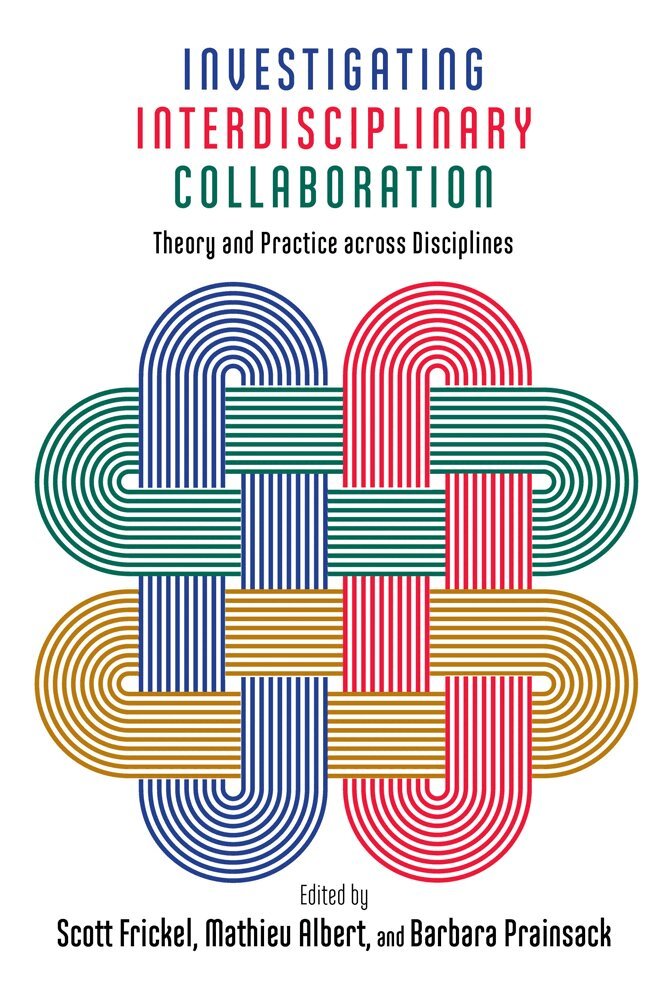
Investigating Interdisciplinary Collaboration
Scott Frickel, Mathieu Albert, Barbara Prainsack
Häftad, 2016
439 kr
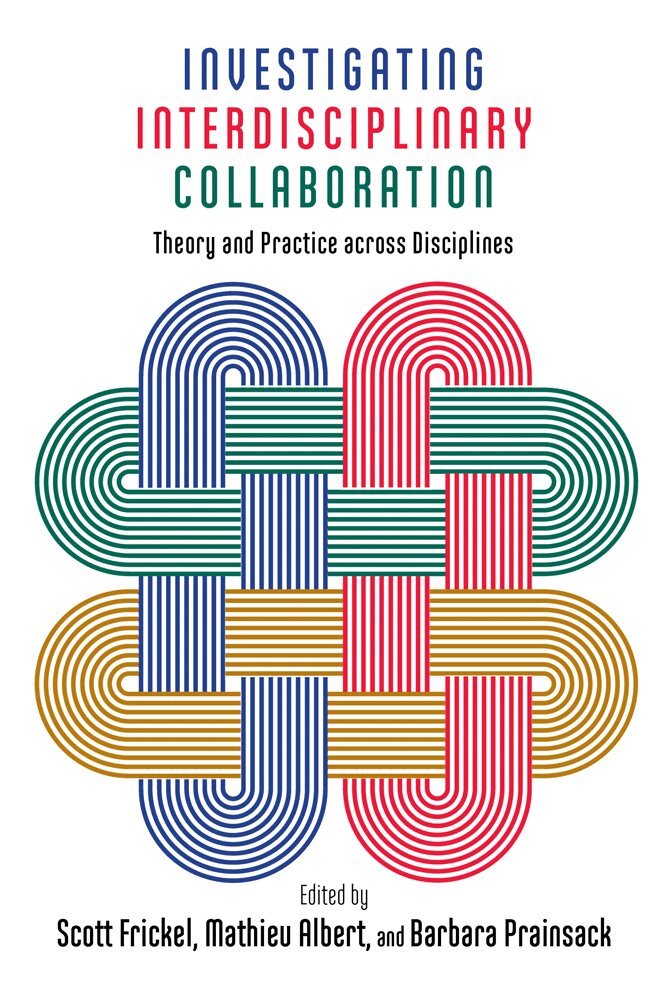
Investigating Interdisciplinary Collaboration
Scott Frickel, Mathieu Albert, Barbara Prainsack
Inbunden, 2016
1 627 kr
Del 27
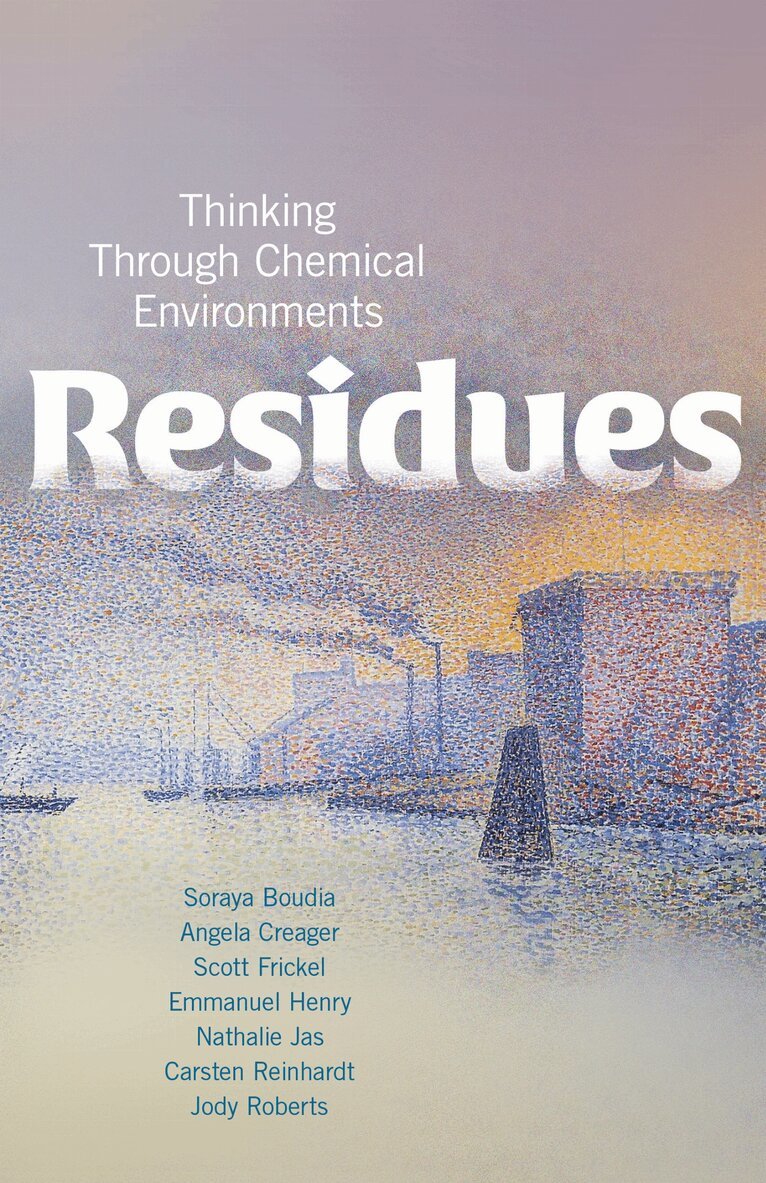
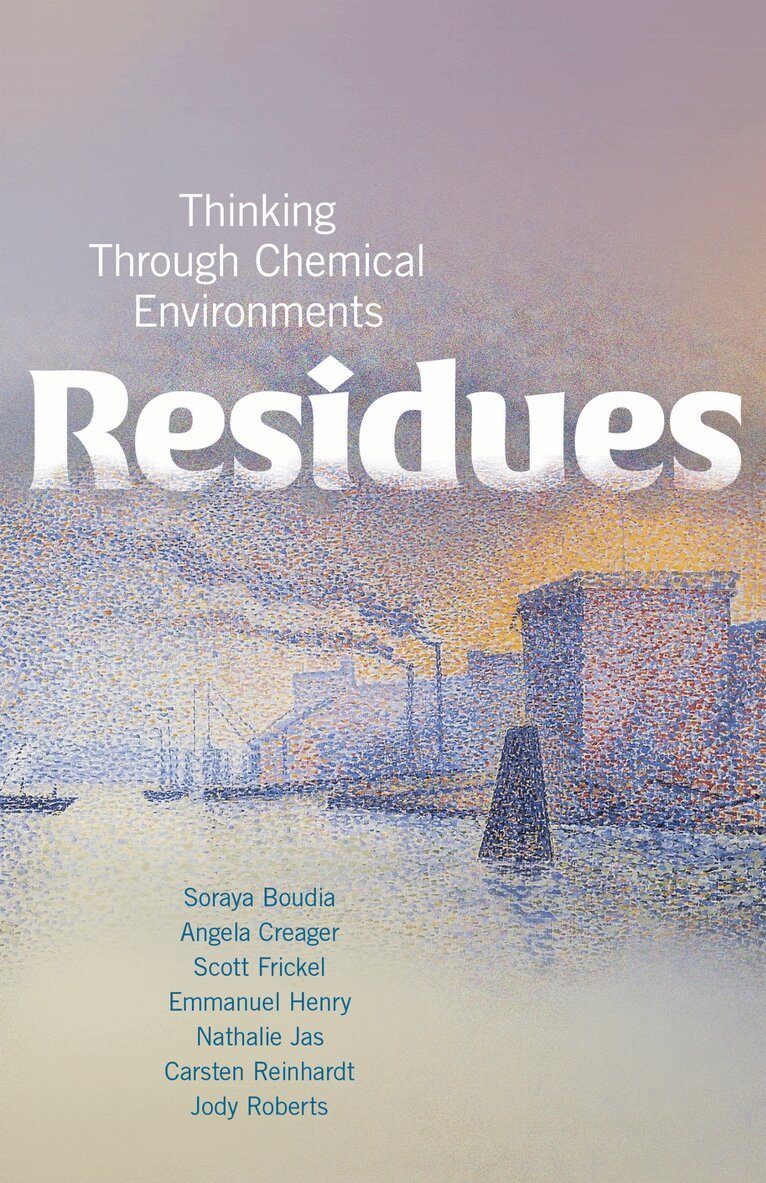
Residues
Soraya Boudia, Angela N. H. Creager, Scott Frickel, Emmanuel Henry, Nathalie Jas, Carsten Reinhardt, Jody A. Roberts
Häftad, 2021
299 kr
Residues
Soraya Boudia, Angela N. H. Creager, Scott Frickel, Emmanuel Henry, Nathalie Jas, Carsten Reinhardt, Jody A. Roberts
Inbunden, 2021
1 730 kr
Hoppa över listan
Du kanske också är intresserad av
Investigating Interdisciplinary Collaboration
Scott Frickel, Mathieu Albert, Barbara Prainsack
Inbunden, 2016
1 627 kr
Investigating Interdisciplinary Collaboration
Scott Frickel, Mathieu Albert, Barbara Prainsack
Häftad, 2016
439 kr
Residues
Soraya Boudia, Angela N. H. Creager, Scott Frickel, Emmanuel Henry, Nathalie Jas, Carsten Reinhardt, Jody A. Roberts
Inbunden, 2021
1 730 kr
Del 27
Residues
Soraya Boudia, Angela N. H. Creager, Scott Frickel, Emmanuel Henry, Nathalie Jas, Carsten Reinhardt, Jody A. Roberts
Häftad, 2021
299 kr