• Fri frakt över 249 kr
  • •
  • Snabba leveranser
  • •
  • Billiga böcker
Kundservice

Du är på sajten för privatpersoner.

Företag, bibliotek eller offentlig verksamhet?

Du handlar på classic.bokus.com, där alla dina funktioner finns intakta.
Till classic.bokus.com
Bokus logotyp. Gå till startsidan.
  • Erbjudanden
  • Nyheter
  • Student
  • Topplistor
  • Barn & ungdom
  • Bokus Play
  • E-böcker
  • Pocketböcker
  • Spel & pussel

10% rabatt på allt med kod: NYSTART10 →

Sidfot

Mina sidor

    Hjälp

    • Kundservice
    • Vanliga frågor och svar
    • Frakt och leverans
    • Retur vid ångerrätt
    • Reklamera vara
    • Betalning
    • Köpvillkor
    • Allmänna villkor
    • Information om webbplatsens tillgänglighet

    Om Bokus

    • Om oss
    • Pressrum
    • För studenter
    • För företag
    • För bibliotek och offentlig verksamhet
    • För leverantörer
    • Hållbarhet

    Populärt

    • Aktuella erbjudanden
    • Presentkort
    • Studentlitteratur
    • Nya böcker
    • Topplistor
    • Signerade böcker
    • Engelska böcker

    Inspiration

    • Boktips
    • BookTok
    • Populära bokserier
    • Barnbokskaraktärer
    • Populära författare
    Logotyp för Bokus
    Följ oss på Facebook (extern länk)Följ oss på Instagram (extern länk)Följ oss på YouTube (extern länk)Följ oss på TikTok (extern länk)
    bokus @ CookiesAnpassa cookiesIntegritetspolicyKöpvillkor
    Till Citymail hemsida (extern länk)Till Budbee hemsida (extern länk)Till Postnord hemsida (extern länk)Till Schenker hemsida (extern länk)Till Early Bird hemsida (extern länk)Till Walleys hemsida (extern länk)
    1. Samhälle och politik
    2. Samhälle och kultur
    3. Kultur och medier
    4. Kulturvetenskap

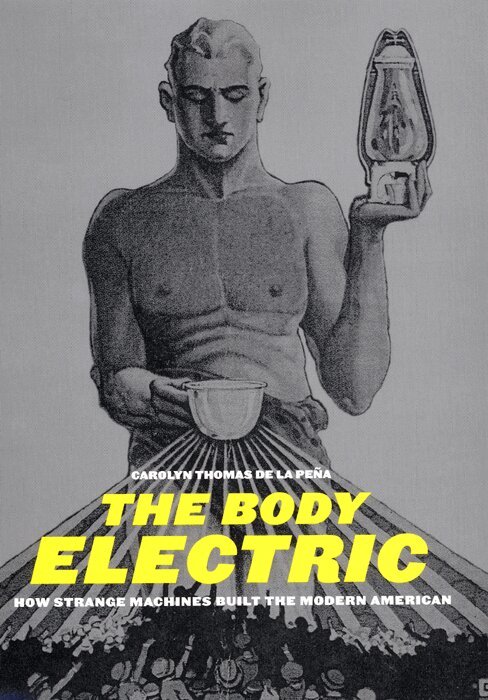
    Body Electric

    How Strange Machines Built the Modern American

    AvCarolyn Thomas de la Pena

    Inbunden, Engelska, 2003

    Del i serien American History and Culture

    979 kr

    Beställningsvara. Skickas inom 10-15 vardagar. Fri frakt över 249 kr.

    Fler format och utgåvor

    Häftad

    430 kr

    Beskrivning

    Between the years 1850 and 1950, Americans became the leading energy consumers on the planet, expending tremendous physical resources on energy exploration, mental resources on energy exploitation, and monetary resources on energy acquisition. A unique combination of pseudoscientific theories of health and the public's rudimentary understanding of energy created an age in which sources of industrial power seemed capable of curing the physical limitations and ill health that plagued Victorian bodies. Licensed and "quack" physicians alike promoted machines, electricity, and radium as invigorating cures, veritable "fountains of youth" that would infuse the body with energy and push out disease and death.The Body Electric is the first book to place changing ideas about fitness and gender in dialogue with the popular culture of technology. Whether through wearing electric belts, drinking radium water, or lifting mechanized weights, many Americans came to believe that by embracing the nation's rapid march to industrialization, electrification, and "radiomania," their bodies would emerge fully powered. Only by uncovering this belief's passions and products, Thomas de la Peña argues, can we fully understand our culture's twentieth-century energy enthusiasm.

    Produktinformation

    • Utgivningsdatum:2003-05-01
    • Mått:153 x 229 x 26 mm
    • Vikt:612 g
    • Format:Inbunden
    • Språk:Engelska
    • Serie:American History and Culture
    • Antal sidor:329
    • Förlag:New York University Press
    • ISBN:9780814719534

    Utforska kategorier

    • Kulturvetenskap inom Samhälle och politik
    • Medicinsk utrustning och medicinska tekniker inom Medicin
    • Naturvetenskap:allmänt inom Naturvetenskap och teknik

    Mer om författaren

    Carolyn Thomas de la Peña is Assistant Professor of American Studies at the University of California at Davis.

    Recensioner i media

    "The Body Electric is the so-far missing puzzle piece in our nineteenth-twentieth century knowledge of the social history of the human body and technologya richly illustrated study showing two centuries of technologizing the human body against fears of weakness, enervation, sexual depletion." - Cecelia Tichi,author of Shifting Gears: Technology, Literature, Culture in Modernist America "This provocative exploration of the concept of energy in American medicine deftly ranges across medical theories, exercise machines and their inventors, early human potential movements, popular fads of electricity and radiation, and the national mood at the turn of the twentieth century. The author writes with wit and sympathy about medical theories and devices that may now seem like outright quackery but that formerly appealed to the educated as well as the gullible in their elusive search for good health. Building upon on a vast and vastly entertaining literature of medical pamphlets and ephemera, Carolyn Thomas de la Peña brings a discerning intelligence and an energetic analytic style to the cultural history of medicine, faith, science, and technology." - Jeffrey L. Meikle,University of Texas, Austin "Transforming archival research into sparkling prose, The Body Electric explains how Americans learned to use machines to seek health, sexual rejuvenation, and physical transformation. This innovative book is both an entertaining history of fads and foibles and a groundbreaking cultural critique of the continuing obsession with achieving physical perfection." - David E. Nye,author of Electrifying America and America as Second Creation "Covers its subject well, provides useful context, and makes lively reading for anyone interested in the history of technology, the social context of electricity and radioactive materials, or the history of alternative medicine." (Technology and Culture)

    Innehållsförteckning

    • Acknowledgments Preface Introduction1 The Machine-Built Body2 Measuring Mechanical Strength 3 Exploring Electric Limits 4 Powering the Intimate Body 5 "Radiomania" Limits the Energy Dream Conclusion: The End of an Era? NotesBibliographyIndex About the Author