• Fri frakt över 249 kr
  • •
  • Snabba leveranser
  • •
  • Billiga böcker
Kundservice

Du är på sajten för privatpersoner.

Företag, bibliotek eller offentlig verksamhet?

Du handlar på classic.bokus.com, där alla dina funktioner finns intakta.
Till classic.bokus.com
Bokus logotyp. Gå till startsidan.
  • Erbjudanden
  • Nyheter
  • Student
  • Topplistor
  • Barn & ungdom
  • Bokus Play
  • E-böcker
  • Pocketböcker
  • Spel & pussel

10% rabatt på allt med kod NYSTART10 →

Sidfot

Mina sidor

    Hjälp

    • Kundservice
    • Vanliga frågor och svar
    • Frakt och leverans
    • Retur vid ångerrätt
    • Reklamera vara
    • Betalning
    • Köpvillkor
    • Allmänna villkor
    • Information om webbplatsens tillgänglighet

    Om Bokus

    • Om oss
    • Pressrum
    • För studenter
    • För företag
    • För bibliotek och offentlig verksamhet
    • För leverantörer
    • Hållbarhet

    Populärt

    • Aktuella erbjudanden
    • Presentkort
    • Studentlitteratur
    • Nya böcker
    • Topplistor
    • Signerade böcker
    • Engelska böcker

    Inspiration

    • Boktips
    • BookTok
    • Populära bokserier
    • Barnbokskaraktärer
    • Populära författare
    Logotyp för Bokus
    Följ oss på Facebook (extern länk)Följ oss på Instagram (extern länk)Följ oss på YouTube (extern länk)Följ oss på TikTok (extern länk)
    bokus @ CookiesAnpassa cookiesIntegritetspolicyKöpvillkor
    Till Citymail hemsida (extern länk)Till Budbee hemsida (extern länk)Till Postnord hemsida (extern länk)Till Schenker hemsida (extern länk)Till Early Bird hemsida (extern länk)Till Walleys hemsida (extern länk)
    1. Samhälle och politik
    2. Samhälle och kultur
    3. Kultur och medier
    4. Kulturvetenskap

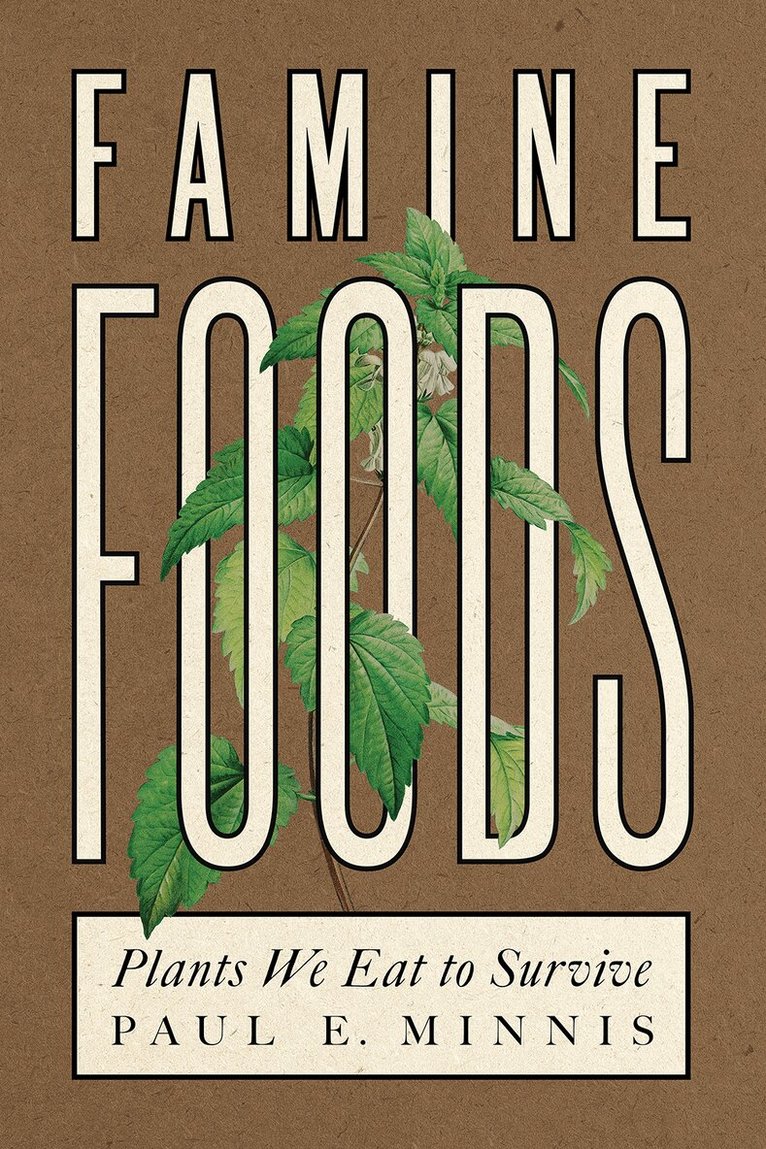
    Famine Foods

    Plants We Eat to Survive

    AvPaul E. Minnis

    Häftad, Engelska, 2021

    336 kr

    Beställningsvara. Skickas inom 5-8 vardagar. Fri frakt över 249 kr.

    Beskrivning

    How people eat today is a record of food use through the ages - and not just the decadent, delicious foods but the less glamorous and often life-saving foods from periods of famine as well. In Famine Foods, Paul E. Minnis focuses on the myriad plants that have sustained human populations throughout the course of history, unveiling the those that people have consumed, and often still consume, to avoid starvation. For the first time, this book offers a fascinating overview of famine foods - how they are used, who uses them, and, perhaps most importantly, why they may be critical to sustain human life in the future.In addition to a broader discussion of famine foods, Minnis includes fourteen short case studies that examine the use of alternative foods in human societies throughout the world, from hunter-gatherers to major nations. When environmental catastrophes, war, corrupt governments, annual hunger seasons, and radical agricultural policies have threatened to starve populations, cultural knowledge and memories of food shortages have been crucial to the survival of millions of people.Famine Foods dives deeply into the cultural contexts of famine food use, showing the curious, strange, and often unpleasant foods people have turned to in order to get by. There is not a single society or area of the world that is immune to severe food shortages, and gaining a deeper knowledge of famine foods will be relevant for the foreseeable future of humanity.

    Produktinformation

    • Utgivningsdatum:2021-04-27
    • Mått:152 x 226 x 17 mm
    • Vikt:330 g
    • Format:Häftad
    • Språk:Engelska
    • Antal sidor:240
    • Förlag:University of Arizona Press
    • ISBN:9780816542253

    Utforska kategorier

    • Kulturvetenskap inom Samhälle och politik
    • Antropologi inom Samhälle och politik
    • Miljövetenskap och miljöpolitik inom Naturvetenskap och teknik

    Mer om författaren

    Paul E. Minnis is a professor emeritus of anthropology at the University of Oklahoma. Now living in Tucson, Arizona, Minnis is a visiting scholar in the School of Anthropology at the University of Arizona. He conducts research on the prehispanic ethnobotany and archaeology of the northwest Mexico and the U.S. Southwest, and he is the author or editor of fourteen books and numerous articles.

    Recensioner i media

    “This work is the first comparative study of famine foods. It uses the techniques and databases of ethnobotany to survey foods to which people turn in desperate times. It is a basic reference on famines and famine foods.”—Eugene N. Anderson, co-author of K’Oben: 3,000 Years of the Maya Hearth“Plants have always served humans as sources of diverse, nutritious foods. In times of famine, whether due to natural or human-induced circumstances, these same plants, along with other species and plant parts not normally eaten, have been critical in alleviating hunger and starvation. Knowing what famine plants are available in a given area and time, and how to use and prepare them, is a critically important part of any group’s cultural heritage. Yet, there has been, to date, little documentation or analysis of this knowledge and its significance. This book represents decades of detailed research by one of North America’s top ethnobiologists. Minnis draws on multiple sources to create this unique compendium of plants that humans have turned to during times of food scarcity. Critically important to peoples of the past, this knowledge may be just as important to future populations.”—Nancy J. Turner, author of Ancient Pathways, Ancestral Knowledge: Ethnobotany and Ecological Wisdom of Indigenous Peoples of Northwestern North America