• Fri frakt över 249 kr
  • •
  • Snabba leveranser
  • •
  • Billiga böcker
Kundservice

Du är på sajten för privatpersoner.

Företag, bibliotek eller offentlig verksamhet?

Du handlar på classic.bokus.com, där alla dina funktioner finns intakta.
Till classic.bokus.com
Bokus logotyp. Gå till startsidan.
  • Erbjudanden
  • Nyheter
  • Student
  • Topplistor
  • Barn & ungdom
  • Bokus Play
  • E-böcker
  • Pocketböcker
  • Spel & pussel

10% studentrabatt med kod TERM26

Sidfot

Mina sidor

    Hjälp

    • Kundservice
    • Vanliga frågor och svar
    • Frakt och leverans
    • Retur vid ångerrätt
    • Reklamera vara
    • Betalning
    • Köpvillkor
    • Allmänna villkor
    • Information om webbplatsens tillgänglighet

    Om Bokus

    • Om oss
    • Pressrum
    • För studenter
    • För företag
    • För bibliotek och offentlig verksamhet
    • För leverantörer
    • Hållbarhet

    Populärt

    • Aktuella erbjudanden
    • Presentkort
    • Studentlitteratur
    • Nya böcker
    • Topplistor
    • Signerade böcker
    • Engelska böcker

    Inspiration

    • Boktips
    • BookTok
    • Populära bokserier
    • Barnbokskaraktärer
    • Populära författare
    Logotyp för Bokus
    Följ oss på Facebook (extern länk)Följ oss på Instagram (extern länk)Följ oss på YouTube (extern länk)Följ oss på TikTok (extern länk)
    bokus @ CookiesAnpassa cookiesIntegritetspolicyKöpvillkor
    Till Citymail hemsida (extern länk)Till Budbee hemsida (extern länk)Till Postnord hemsida (extern länk)Till Schenker hemsida (extern länk)Till Early Bird hemsida (extern länk)Till Walleys hemsida (extern länk)
    1. Kultur
    2. Arkitektur

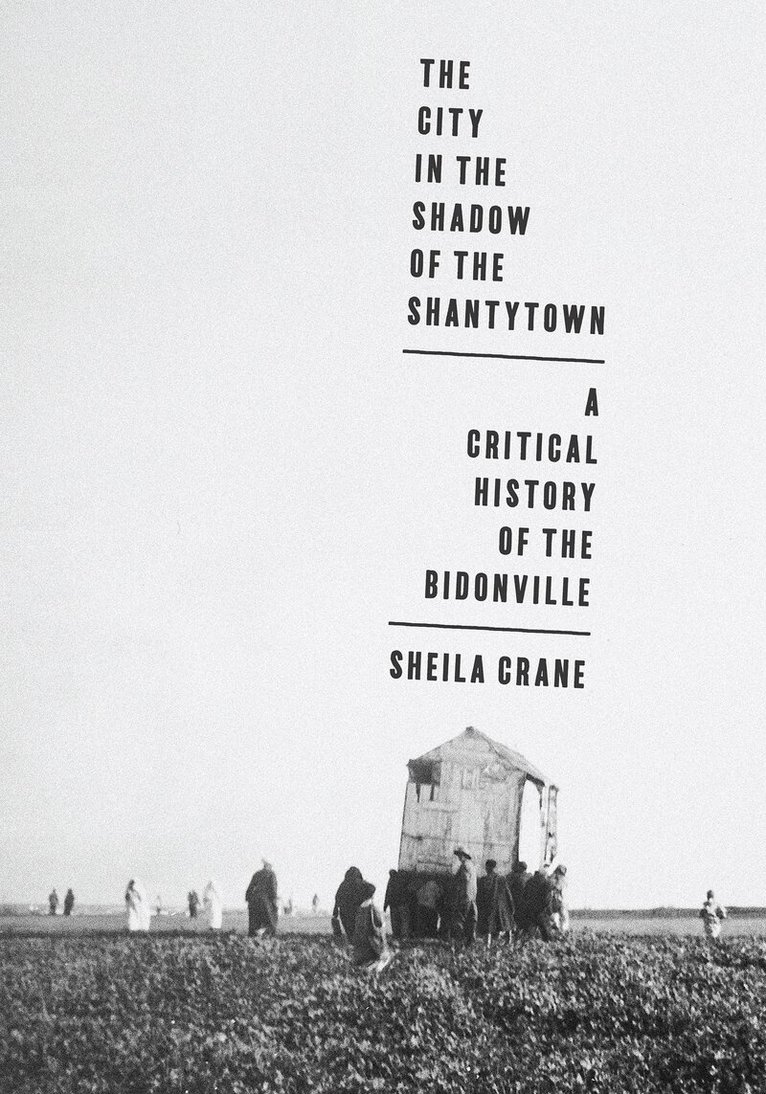
    City in the Shadow of the Shantytown

    A Critical History of the Bidonville

    AvSheila Crane

    Häftad, Engelska, 2026

    Del i serien Culture Politics & the Built Environment

    673 kr

    Kommande

    Beskrivning

    Architects, politicians, and planners have repeatedly framed shantytowns or slums as aberrant, unplanned developments that stand apart from the city proper, rather than integral components of the urban landscape with their own layered histories and often unrealized potentials. Describing a site as a bidonville––the francophone equivalent of the shantytown––positioned it as a foil to and catalyst for new architectural projects, anticipating and authorizing its targeting, control, and dispossession. In this richly illustrated study, Sheila Crane charts the emergence of the bidonville, a term first consolidated in Casablanca following the establishment of the French Protectorate of Morocco in 1912 that was subsequently used to categorize and systematically target urban areas across Morocco, Algeria, and beyond—processes that continue to shape planning and urban landscapes today. Tracing significant episodes that extend into the post-independence period, Crane reveals how the bidonville became a potent artifact of the colonial city and a formative site for anticolonial thinking and action. Far from self-contained enclosures, sites deemed bidonvilles were shaped by dynamic human and non-human entanglements central to this book.

    Produktinformation

    • Utgivningsdatum:2026-10-27
    • Mått:178 x 254 x undefined mm
    • Format:Häftad
    • Språk:Engelska
    • Serie:Culture Politics & the Built Environment
    • Antal sidor:432
    • Förlag:University of Pittsburgh Press
    • ISBN:9780822968252

    Utforska kategorier

    • Arkitektur inom Kultur
    • Sociala grupper och identitet inom Samhälle och politik
    • Europas historia inom Historia och arkeologi

    Mer om författaren

    Sheila Crane is professor of architectural history at the University of Virginia. She is also associate editor of the Journal of the Society of Architectural Historians for 2026–2027 and will assume the role of editor for 2028–2029.

    Recensioner i media

    The City in the Shadow of the Shantytown offers a deeply researched account of urban informality at the center of colonial city-making. Sheila Crane’s brilliant analysis reframes bidonvilles, or shantytowns, as politically charged urban forms embedded in the global circuits and ecological disruptions of capital. This is architectural history at its best, and a much-needed corrective to global urban studies’ longstanding dehistoricization of informality.