• Fri frakt över 249 kr
  • •
  • Snabba leveranser
  • •
  • Billiga böcker
Kundservice

Du är på sajten för privatpersoner.

Företag, bibliotek eller offentlig verksamhet?

Du handlar på classic.bokus.com, där alla dina funktioner finns intakta.
Till classic.bokus.com
Bokus logotyp. Gå till startsidan.
  • Erbjudanden
  • Nyheter
  • Student
  • Topplistor
  • Barn & ungdom
  • Bokus Play
  • E-böcker
  • Pocketböcker
  • Spel & pussel

10% rabatt på allt med kod NYSTART10 →

Sidfot

Mina sidor

    Hjälp

    • Kundservice
    • Vanliga frågor och svar
    • Frakt och leverans
    • Retur vid ångerrätt
    • Reklamera vara
    • Betalning
    • Köpvillkor
    • Allmänna villkor
    • Information om webbplatsens tillgänglighet

    Om Bokus

    • Om oss
    • Pressrum
    • För studenter
    • För företag
    • För bibliotek och offentlig verksamhet
    • För leverantörer
    • Hållbarhet

    Populärt

    • Aktuella erbjudanden
    • Presentkort
    • Studentlitteratur
    • Nya böcker
    • Topplistor
    • Signerade böcker
    • Engelska böcker

    Inspiration

    • Boktips
    • BookTok
    • Populära bokserier
    • Barnbokskaraktärer
    • Populära författare
    Logotyp för Bokus
    Följ oss på Facebook (extern länk)Följ oss på Instagram (extern länk)Följ oss på YouTube (extern länk)Följ oss på TikTok (extern länk)
    bokus @ CookiesAnpassa cookiesIntegritetspolicyKöpvillkor
    Till Citymail hemsida (extern länk)Till Budbee hemsida (extern länk)Till Postnord hemsida (extern länk)Till Schenker hemsida (extern länk)Till Early Bird hemsida (extern länk)Till Walleys hemsida (extern länk)
    1. Historia och arkeologi
    2. Historia
    3. Historia: särskilda händelser och ämnen
    4. Socialhistoria och kulturhistoria

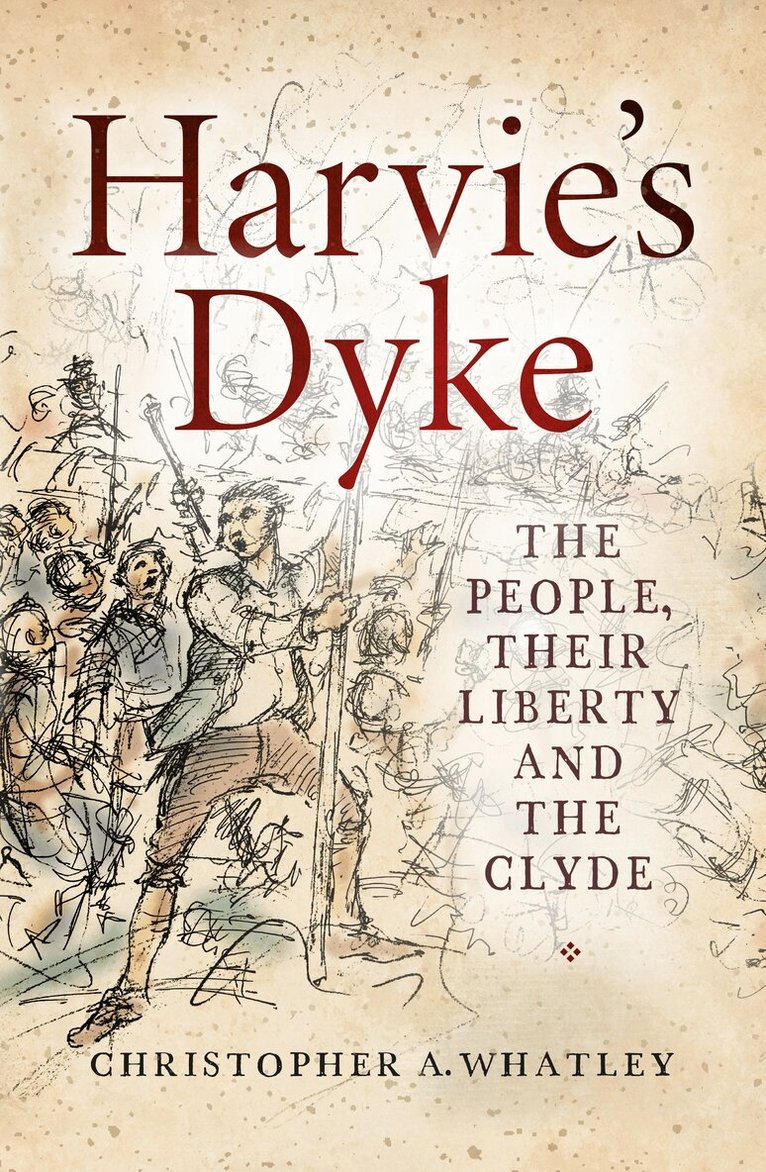
    Harvie's Dyke

    The People, their Liberty and the Clyde

    AvChristopher A. Whatley

    Häftad, Engelska, 2025

    245 kr

    Skickas . Fri frakt över 249 kr.

    Beskrivning

    In the early 1820s, Thomas Harvie, a newly rich, arrogant Glasgow distiller, bought Westthorn estate on the eastern edge of the city close to the north bank of the River Clyde. To establish the bounds of his property and keep out intruders, he erected two walls, the larger of which (‘Harvie’s Dyke’) was massive, fortified and blocked a long-established pathway alongside the river. Colliers and other workers from nearby villages (many of whom regularly used the walkway) were outraged. A large crowd gathered on midsummer’s evening in 1823 and set about demolishing the wall. After a cavalry charge put an end to the disturbance, dozens of the rioters were arrested and some imprisoned.But Harvie rebuilt his walls, and a six-year struggle with the people of Glasgow ensued, which resulted in a House of Lords ruling in 1828 in favour of those who had campaigned for ‘the liberties of the banks of the Clyde’. The episode gripped the city and was heralded in poems, song and newspapers for many decades. It also inspired later protests against landowners who attempted to obstruct public rights of way. This book is testimony to a triumphant victory for ordinary Glaswegians over an uncompromising estate proprietor.

    Produktinformation

    • Utgivningsdatum:2025-07-03
    • Mått:156 x 234 x 20 mm
    • Vikt:287 g
    • Format:Häftad
    • Språk:Engelska
    • Antal sidor:256
    • Förlag:Birlinn General
    • ISBN:9780859767309

    Utforska kategorier

    • Socialhistoria och kulturhistoria inom Historia och arkeologi
    • Europas historia inom Historia och arkeologi
    • Sjöfartshistoria inom Historia och arkeologi

    Mer om författaren

    Christopher A. Whatley OBE, FRSE is Emeritus Professor of Scottish History at the University of Dundee. Initially an historian of the coal and salt industries, and of Scottish industrialisation, he has since written on Scotland’s everyday life, urban society, popular protest, riot and disorder, the causes and consequences of the Union of 1707, memorialisation, and Scottish writers including Robert Burns and his legacy, and John Galt.

    Recensioner i media

    'Whatley’s book is both timely and welcome and I whole-heartedly commend it to everyone interested in public access and social history'