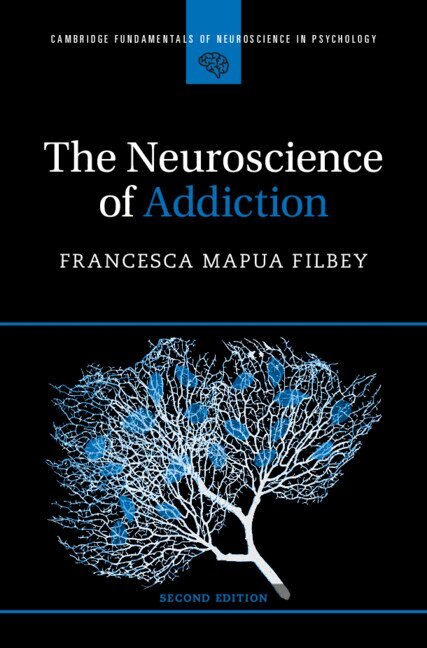
Häftad, Engelska, 2026
The Neuroscience of Addiction
479 kr
Kommande
Fler format och utgåvor
Beskrivning
Produktinformation
- Utgivningsdatum: 2026-10-31
- Mått: 152 x 229 x 14 mm
- Vikt: 379 g
- Format: Häftad
- Språk: Engelska
- Serie: Cambridge Fundamentals of Neuroscience in Psychology
- Antal sidor: 260
- Upplaga: 2
- Förlag: Cambridge University Press
- ISBN: 9781009578479
Utforska kategorier
Mer om författaren
Francesca Mapua Filbey is a Professor of Cognitive Neuroscience at the University of Texas at Dallas and Director of the Neuroimaging of Reward Dynamics Laboratory at the Center for BrainHealth. A leading expert in addiction neuroscience, Dr. Filbey's research focuses on the brain and genetic mechanisms underlying substance use disorders, particularly cannabis and alcohol. She is internationally recognized for her work using neuroimaging and genomics to study craving, brain structure, and individual differences in addiction vulnerability.
Recensioner i media
'This book provides a comprehensive and engaging synthesis of the neuroscience underlying addictive disorders. Francesca Filbey skillfully integrates findings from neuroimaging, behavioral neuroscience, and clinical research to explain how alterations in brain reward, stress, and executive control systems contribute to substance use disorders. It successfully bridges foundational neuroscience with real-world clinical implications, making it an essential resource for students, trainees, researchers, and clinicians seeking to understand addiction from a modern brain-based perspective.' Bryon Adinoff, Editor-in-Chief, American Journal of Drug and Alcohol Abuse
Betyg & recensioner
0 recensioner
Inga recensioner tillgängliga.