• Fri frakt över 249 kr
  • •
  • Snabba leveranser
  • •
  • Billiga böcker
Kundservice

Du är på sajten för privatpersoner.

Företag, bibliotek eller offentlig verksamhet?

Du handlar på classic.bokus.com, där alla dina funktioner finns intakta.
Till classic.bokus.com
Bokus logotyp. Gå till startsidan.
  • Erbjudanden
  • Student
  • Topplistor
  • Barn & ungdom
  • Bokus Play
  • E-böcker
  • Ljudböcker
  • Pocketböcker
  • Spel och pussel

Pocketfynda! Hundratals böcker för 49 kr/st →

Sidfot

Mina sidor

    Hjälp

    • Kundservice
    • Vanliga frågor och svar
    • Frakt och leverans
    • Retur vid ångerrätt
    • Reklamera vara
    • Betalning
    • Köpvillkor
    • Allmänna villkor
    • Information om webbplatsens tillgänglighet

    Om Bokus

    • Om oss
    • Pressrum
    • För studenter
    • För företag
    • För bibliotek och offentlig verksamhet
    • För leverantörer
    • Hållbarhet

    Populärt

    • Aktuella erbjudanden
    • Presentkort
    • Studentlitteratur
    • Nya böcker
    • Topplistor
    • Signerade böcker
    • Engelska böcker

    Inspiration

    • Boktips
    • BookTok
    • Barnbokskaraktärer
    • Populära författare
    Logotyp för Bokus
    Följ oss på Facebook (extern länk)Följ oss på Instagram (extern länk)Följ oss på YouTube (extern länk)Följ oss på TikTok (extern länk)
    bokus @ CookiesAnpassa cookiesIntegritetspolicyKöpvillkor
    Till Citymail hemsida (extern länk)Till Budbee hemsida (extern länk)Till Postnord hemsida (extern länk)Till Schenker hemsida (extern länk)Till Early Bird hemsida (extern länk)Till Walleys hemsida (extern länk)
    1. Psykologi och pedagogik
    2. Pedagogik
    3. Skolan och förskolan

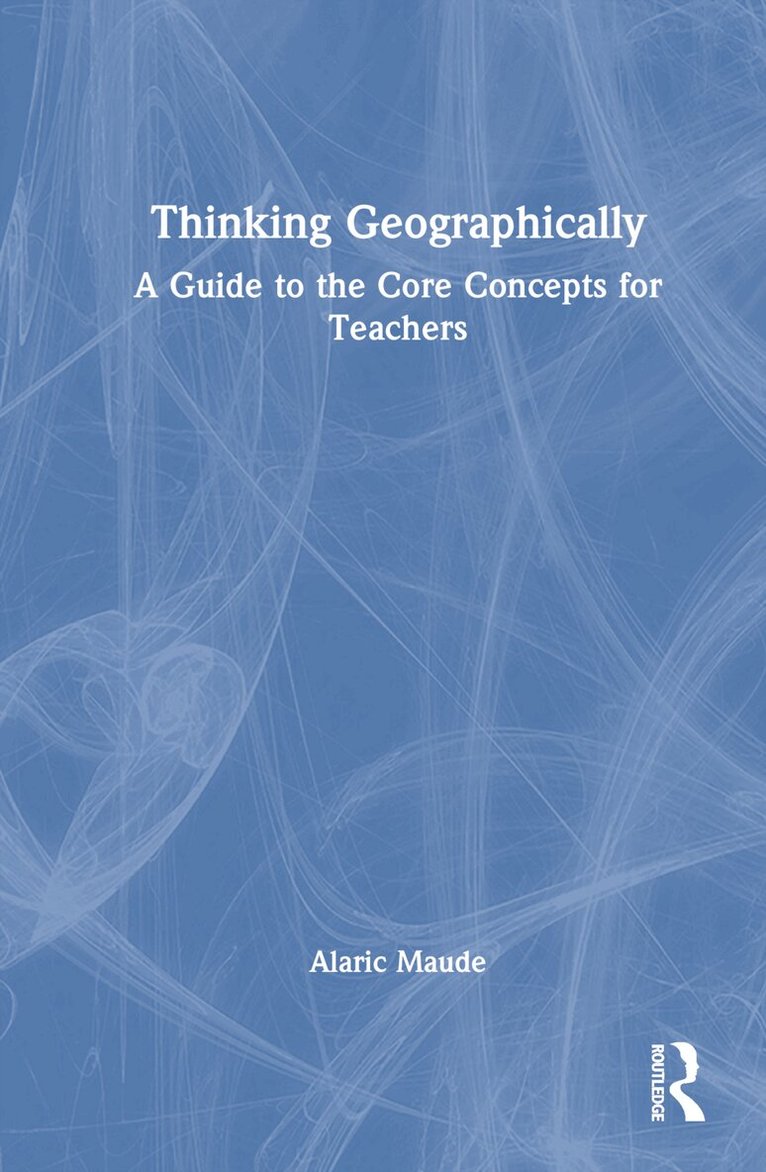
    Thinking Geographically

    A Guide to the Core Concepts for Teachers

    AvAlaric Maude

    Inbunden, Engelska, 2023

    2 343 kr

    Beställningsvara. Skickas inom 10-15 vardagar. Fri frakt över 249 kr.

    Fler format och utgåvor

    E-bok

    554 kr

    E-bok

    554 kr

    Häftad

    564 kr

    Beskrivning

    This book explains how the concepts of geography can teach young people to think geographically, deeply and ethically.Thinking Geographically demonstrates how the concepts of place, space, environment and interconnection teach students new ways of perceiving and understanding the world, the concepts of scale and time teach them ways of analysing the world, while the concepts of sustainability and wellbeing show them how to evaluate and reflect on what they observe, and all eight concepts develop their higher order and critical thinking. To further support teachers, this book includes a chapter on how to teach for conceptual understanding, as well as two chapters that illustrate the application of geographical thinking to an understanding of the effects of land cover change and the problem of regional inequality.Rich with practical examples, this book is an essential resource for geography teachers, whether already teaching or studying to become one, and for those who teach therm.

    Produktinformation

    • Utgivningsdatum:2023-12-22
    • Mått:156 x 234 x 20 mm
    • Vikt:589 g
    • Format:Inbunden
    • Språk:Engelska
    • Antal sidor:280
    • Förlag:Taylor & Francis Ltd
    • ISBN:9781032453767

    Utforska kategorier

    • Skolan och förskolan inom Psykologi och pedagogik
    • Lärarutbildning inom Psykologi och pedagogik
    • Undervisning i specifika ämnen inom Psykologi och pedagogik

    Mer om författaren

    Alaric Maude is a retired associate professor of Geography at Flinders University in Adelaide, South Australia. He has conducted research in Tonga, Indonesia, Malaysia and Australia, was the lead writer for the Australian Geography curriculum and has published articles for geography educators on powerful knowledge, sustainability and geography’s ‘big ideas’.

    Recensioner i media

    "Thinking Geographically – A Guide to the Core Concepts for Teachers provides exactly what the title suggests. It is a lucid, authoritative, meticulously researched, systematic guide to ‘Geographical Thinking’ and its essential conceptual components. Its author, Alaric Maude, should be congratulated for providing Geography teachers with a vital, handy, resource that is a valuable contribution to geographical education. Thinking Geographically is highly recommended for your geographical library."An excerpt from a review by Stephen Legg, Interaction Journal, Vol 52, No.1, March 2024"This book has been an excellent resource when thinking more deeply about the concepts within our curriculum; Maude breaks down each concept, … [and] also provides a summary and a ‘how could you use this chapter in teaching?’ box, which has been particularly useful to refer to.Our A level students often struggle to use the concepts of space and time throughout their essays. Alongside other strategies, [the chapters on space, and scale and time] were used to break down these two concepts into smaller chunks for the students, and to give them some ideas of how they can be applied. Students found this useful; essays are beginning to improve and concepts are woven throughout as a result."Excerpts from a review by Laura Bytheway, Head of Geography at Ormiston SWB Academy, UK, in Teaching Geography, Vol 49, No 3, Autumn 2024."Thinking Geographically is a text, which exceptionally delivers to the intended audience of secondary school teachers, while also providing a worthwhile resource for students themselves. Through describing key theories, concepts, and methods of approaching research in detail, the text also explores how we, as geographers, organise and analyse research data. Such inclusions position Thinking Geographically as a rounded, comprehensive introductory text.Secondary school students, undergraduate tertiary students, and even postgraduate students less familiar with geography-specific concepts and language could all view the book as a decidedly useful resource."- Excerpts from a review by Connor Goddard, Associate Lecturer in Geography, Curtin University, Australia, in Geographical Research, online 26 June 2025.

    Innehållsförteckning

    • Introduction 1. What can we know and how can we know it? 2. Thinking geographically 3. Thinking geographically: Interconnection 4. Thinking geographically: Place 5. Thinking geographically: Space 6. Thinking geographically: Environment 7. The analytical concepts: Scale and time 8. The evaluative concepts: Sustainability and human wellbeing 9. Teaching for conceptual understanding 10. Land cover: have we cleared too much of the Earth’s vegetation? 11. Unequal places: should governments try to reduce regional inequalities? 12. Conclusion