• Fri frakt över 249 kr
  • •
  • Snabba leveranser
  • •
  • Billiga böcker
Kundservice

Du är på sajten för privatpersoner.

Företag, bibliotek eller offentlig verksamhet?

Du handlar på classic.bokus.com, där alla dina funktioner finns intakta.
Till classic.bokus.com
Bokus logotyp. Gå till startsidan.
  • Erbjudanden
  • Nyheter
  • Student
  • Topplistor
  • Barn & ungdom
  • Bokus Play
  • E-böcker
  • Pocketböcker
  • Spel & pussel

Må bättre, för mindre! Upp till 50% rabatt på hälsoböcker

Sidfot

Mina sidor

    Hjälp

    • Kundservice
    • Vanliga frågor och svar
    • Frakt och leverans
    • Retur vid ångerrätt
    • Reklamera vara
    • Betalning
    • Köpvillkor
    • Allmänna villkor
    • Information om webbplatsens tillgänglighet

    Om Bokus

    • Om oss
    • Pressrum
    • För studenter
    • För företag
    • För bibliotek och offentlig verksamhet
    • För leverantörer
    • Hållbarhet

    Populärt

    • Aktuella erbjudanden
    • Presentkort
    • Studentlitteratur
    • Nya böcker
    • Topplistor
    • Signerade böcker
    • Engelska böcker

    Inspiration

    • Boktips
    • BookTok
    • Populära bokserier
    • Barnbokskaraktärer
    • Populära författare
    Logotyp för Bokus
    Följ oss på Facebook (extern länk)Följ oss på Instagram (extern länk)Följ oss på YouTube (extern länk)Följ oss på TikTok (extern länk)
    bokus @ CookiesAnpassa cookiesIntegritetspolicyKöpvillkor
    Till Citymail hemsida (extern länk)Till Budbee hemsida (extern länk)Till Postnord hemsida (extern länk)Till Schenker hemsida (extern länk)Till Early Bird hemsida (extern länk)Till Walleys hemsida (extern länk)
    1. Medicin
    2. Medicin: allmänt
    3. Medicinhistoria

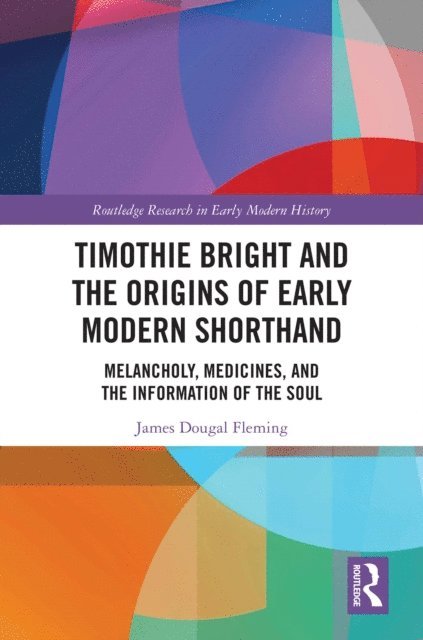
    Timothie Bright and the Origins of Early Modern Shorthand

    Melancholy, Medicines, and the Information of the Soul

    AvJames Dougal Fleming

    Inbunden, Engelska, 2024

    Del i serien Routledge Research in Early Modern History

    2 506 kr

    Beställningsvara. Skickas inom 10-15 vardagar. Fri frakt över 249 kr.

    Fler format och utgåvor

    Häftad

    705 kr

    E-bok

    928 kr

    E-bok

    926 kr

    Beskrivning

    In Timothie Bright and the Origins of Early Modern Shorthand, J.D. Fleming brings together two areas of sixteenth-century intellectual history. One is the period emergence of artificial systems for verbatim shorthand notation—a crucial episode in the history of information. The other is the ancient medical discourse of melancholy humour, or black bile. Timothie Bright (1550–1615), physician and priest, prompts the juxtaposition. For he was the author, not only of the period’s original shorthand manual—Characterie (1588)—but also of the first book in English on the dark humour: The Treatise of Melancholy (1586).Bright’s account of melancholy involves a cybernetic phenomenology of the human. Essentially, we are psyches (souls or minds). We are sealed off from our bodies, operating them as automata across an interface. Psychological presence, for Bright, is illusion and pathology. Engrossing performances or representations therefore bring great danger, and so does the doctrine of predestination—less for its content than its typical delivery. Painful preaching was indispensable in sixteenth-century English Protestantism. But it falls foul of Bright’s proscriptions. These are followed by his publication of the first known system for verbatim shorthand notation since antiquity, its technique heavily inflected toward a vocabulary of the pulpit. The passionate, oral performance of the inspired preacher receives an unprecedented textual preservative—and prophylactic. Bright’s technology of information serves his phenomenology of alienation.This book will be of interest to students and scholars of the early modern period, the tradition of melancholy, and the history of information—as theory, and technology.

    Produktinformation

    • Utgivningsdatum:2024-06-14
    • Mått:156 x 234 x 18 mm
    • Vikt:620 g
    • Format:Inbunden
    • Språk:Engelska
    • Serie:Routledge Research in Early Modern History
    • Antal sidor:228
    • Förlag:Taylor & Francis Ltd
    • ISBN:9781032757490

    Utforska kategorier

    • Medicinhistoria inom Medicin
    • Europas historia inom Historia och arkeologi
    • Historia: teori och metod inom Historia och arkeologi

    Mer om författaren

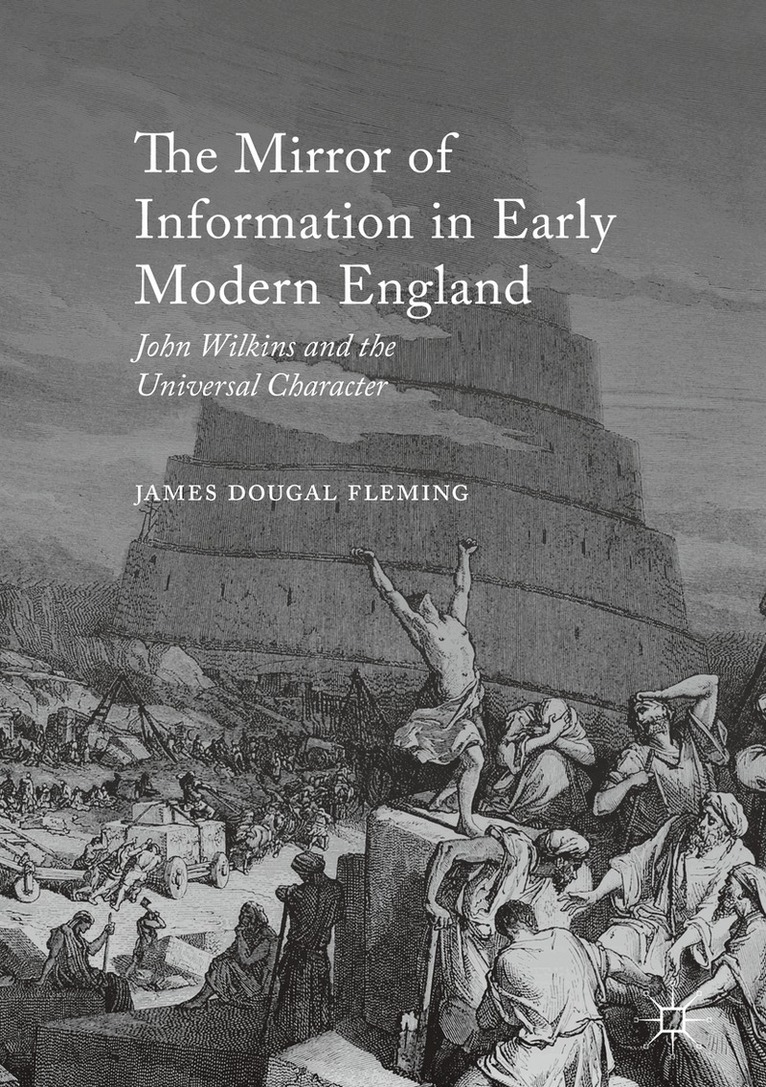
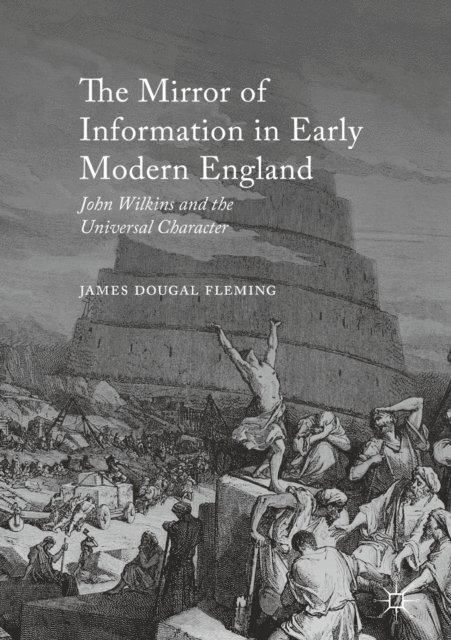
    James Dougal Fleming is Professor of English Literature at Simon Fraser University in Vancouver, Canada. His research is primarily in early modern intellectual history, with an emphasis on epistemic issues surrounding, and arising from, the Scientific Revolution. His previous books are Milton’s Secrecy and Philosophical Hermeneutics (2008), The Mirror of Information in Early Modern England: John Wilkins and the Universal Character (2017), and (ed. and intro.) The Invention of Discovery, 1500–1700 (2011).

    Innehållsförteckning

    • IntroductionThe Double physicianInformatio mediciMessages and meaningsFrom hand to soulPart One: Technology1. The Seventeenth-Century Shorthand Movement: In Four CornersA Protean artYet shorterGroovy imagesAnother way to the word2. “My Invention”: What Was Characterie?Verbatim notationInformational exchangeHybrid publishingInnovationSource3. “Indifferently Affected”: The Characterie TermsWanting an alphabetDe arte combinatoriaA Book of listsWriting sermonsOrality and controlMere informationPart Two: Theory4. Against Navigation: English MedicinesThe Medical background, ca. 1580An English Galenism, 1574The Paracelsian difference, 1585TEM (i) Aut externi orbis(ii) Here be (no) serpents5. “Never Able to Abide”: The Melancholy ConscienceThe Medical Tradition: Natural, genial, adustThe Literary Valence: Euphues his faceTreatment: Going on a dataTMel (i) “Saving that”(ii) “No medicine, no purgation, no cordial”(iii) “Spectacles are to be shunned”(iv) “In written words revealed”6. “The Mechenist”: Not Being ThereTMel (v) The Natural chemist(vi) Invisible seeds(vii) Bright’s spirit(viii) Faculty and instruments(ix) In machina(x) Serenity of the spotless psyche(xi) Information overloadConclusionAppendices1. Sixteenth-Century English shorthands before Bright’s? The absence of evidence.2. Lists of the Characterie terms.3. Bright on “soul” and “mind.”Bibliography