• Fri frakt över 249 kr
  • •
  • Snabba leveranser
  • •
  • Billiga böcker
Kundservice

Du är på sajten för privatpersoner.

Företag, bibliotek eller offentlig verksamhet?

Du handlar på classic.bokus.com, där alla dina funktioner finns intakta.
Till classic.bokus.com
Bokus logotyp. Gå till startsidan.
  • Erbjudanden
  • Nyheter
  • Student
  • Topplistor
  • Barn & ungdom
  • Bokus Play
  • E-böcker
  • Pocketböcker
  • Spel & pussel

10% rabatt på allt med kod: NYSTART10 →

Sidfot

Mina sidor

    Hjälp

    • Kundservice
    • Vanliga frågor och svar
    • Frakt och leverans
    • Retur vid ångerrätt
    • Reklamera vara
    • Betalning
    • Köpvillkor
    • Allmänna villkor
    • Information om webbplatsens tillgänglighet

    Om Bokus

    • Om oss
    • Pressrum
    • För studenter
    • För företag
    • För bibliotek och offentlig verksamhet
    • För leverantörer
    • Hållbarhet

    Populärt

    • Aktuella erbjudanden
    • Presentkort
    • Studentlitteratur
    • Nya böcker
    • Topplistor
    • Signerade böcker
    • Engelska böcker

    Inspiration

    • Boktips
    • BookTok
    • Populära bokserier
    • Barnbokskaraktärer
    • Populära författare
    Logotyp för Bokus
    Följ oss på Facebook (extern länk)Följ oss på Instagram (extern länk)Följ oss på YouTube (extern länk)Följ oss på TikTok (extern länk)
    bokus @ CookiesAnpassa cookiesIntegritetspolicyKöpvillkor
    Till Citymail hemsida (extern länk)Till Budbee hemsida (extern länk)Till Postnord hemsida (extern länk)Till Schenker hemsida (extern länk)Till Early Bird hemsida (extern länk)Till Walleys hemsida (extern länk)
    1. Psykologi och pedagogik
    2. Psykologi
    3. Biologisk psykologi och neuropsykologi

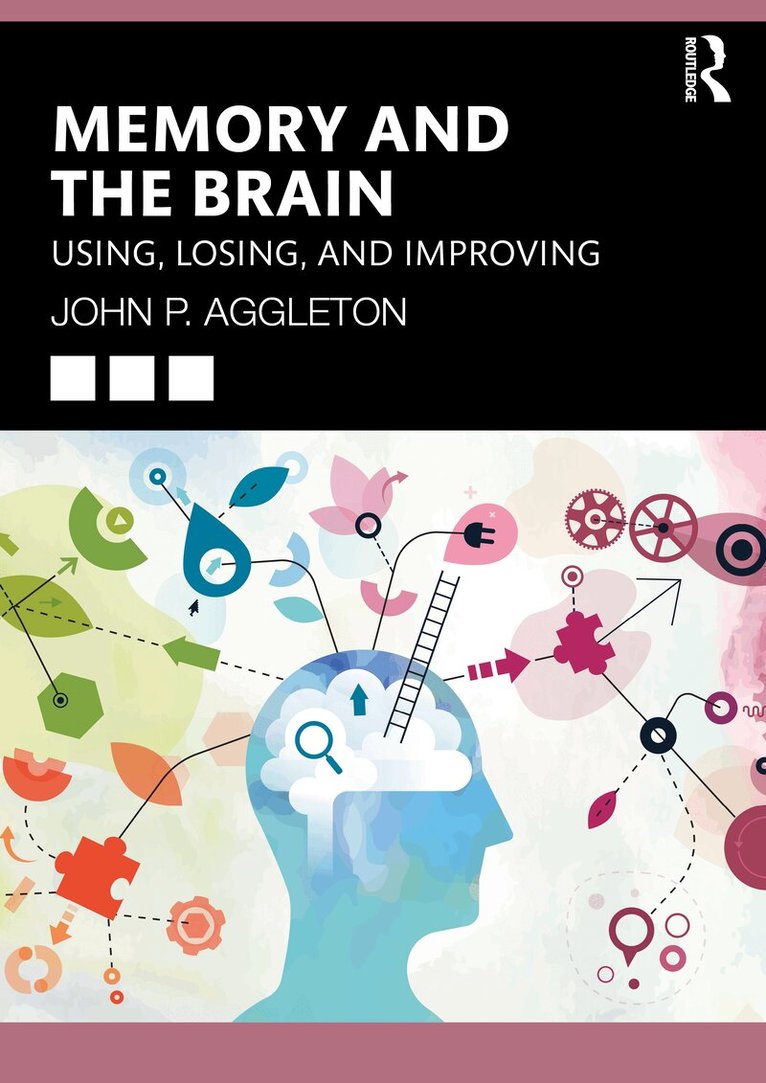
    Memory and the Brain

    Using, Losing, and Improving

    AvJohn P. Aggleton

    Häftad, Engelska, 2024

    414 kr

    Beställningsvara. Skickas inom 10-15 vardagar. Fri frakt över 249 kr.

    Fler format och utgåvor

    Inbunden

    2 421 kr

    E-bok

    486 kr

    E-bok

    486 kr

    Beskrivning

    Memory and the Brain explores the fascinating psychology and neuroscience of human memory.Written by a world expert in the field, John P. Aggleton, this book covers learning and memory from the very beginning of life to its end, with an emphasis on real-world applications throughout. Aggleton begins by considering the fallibility of long-term memory and explores the many reasons why we forget. He goes on to contrast this with superior memory and examines what, if anything, is special about individuals with remarkable memory powers, and how might we improve our own memory. The significance of sleep, our ability to ‘remember’ the future, the various brief memory stores, and the multiple forms of amnesia are also covered, as well as the most common forms of dementia – including Alzheimer's disease. The book concludes with an Alphabet of Memory Curiosities, which showcases a diverse range of topics: from aphantasia to zebrafish, stopping off at topics such as Jennifer Aniston neurons, bilingualism, and neuromyths in education.Drawing on classic studies alongside many discoveries from contemporary research, this book is written for anyone curious about how our memory works and will appeal to students and general readers alike.

    Produktinformation

    • Utgivningsdatum:2024-12-16
    • Mått:174 x 246 x 17 mm
    • Vikt:560 g
    • Format:Häftad
    • Språk:Engelska
    • Antal sidor:268
    • Förlag:Taylor & Francis Ltd
    • ISBN:9781032826592

    Utforska kategorier

    • Biologisk psykologi och neuropsykologi inom Psykologi och pedagogik
    • Biovetenskap inom Naturvetenskap och teknik
    • Kognitiv psykologi inom Psykologi och pedagogik

    Mer om författaren

    John P. Aggleton is an Emeritus Professor of Psychology at Cardiff University, Wales. In recent years he was President of the British Neuroscience Association and in 2012 he was made a Fellow of the Royal Society in recognition of his discoveries concerning the brain and memory.

    Innehållsförteckning

    • 1. Memories make us who we are. 2. From before birth to adolescence. 3. Adulthood, aging, and superaging. 4. How accurate and durable are our adult memories?. 5. Comprehension, encoding, and recall. 6. Why do we forget?. 7.Context and memory. 8. Superior memory in individuals: Mnemonists, memory champions, and savants. 9. Superior memory for all: Mnemonics, imagery, and skilled performance. 10. ‘Smart drugs’, supplements, and self-brain stimulation. 11. The value of sleep. 12. Imagination, future memory, and prospective memory. 13. Recognition memory and illusions of familiarity. 14. Brief memory stores: Sensory memory. 15. Brief memory stores: Short-term memory. 16. Brief memory stores: Working memory. 17. Losing memory: Real amnesias and simulated amnesias. 18. Losing memory: Alzheimer’s disease and other dementias. 19. An alphabet of memory curiosities. A)Aphantasia: People who lack imagery. B)Bilingualism – does it aid memory?. C)Computerised brain training – does it work?. D)Duplicates, delusions, and familiarity disorders. E)Exercise – is it worth it?. F)Food preferences and learnt taste aversions. G)The ‘Generation Effect’, the Aha! moment, and memory. H)Hypnosis, memory, and the law. I)Illusions of learning and illuminating text. J)Jennifer Aniston neurons. K)Knowing your own memory – metamemory and metacognition. L)L learners: Spaced versus massed practice. M)Mozart, music, and memory. N)Neuromyths in education – eight seductive ideas. O)Openness and the three Rs (Reproducibility, Robustness, and Replicability). P)Parrot learning – learning by rote. Q)Quite interesting and quite curious. R)Return trip effect. S) Surprise and memory. T) Truth serums. U) Unconscious learning – can you learn when anaesthetised?. V) Vegetative brain state, awareness, and new learning. W) White matter learning. XX XY) Sex differences and memory. Y) Y is money called money? The worship of memory. Z) Being at the end of the alphabet – good or bad? (not to forget zebrafish). 20. Naming the Brain. 21. Twenty (plus one) ways to improve your memory. References.