Inbunden, Engelska, 2026
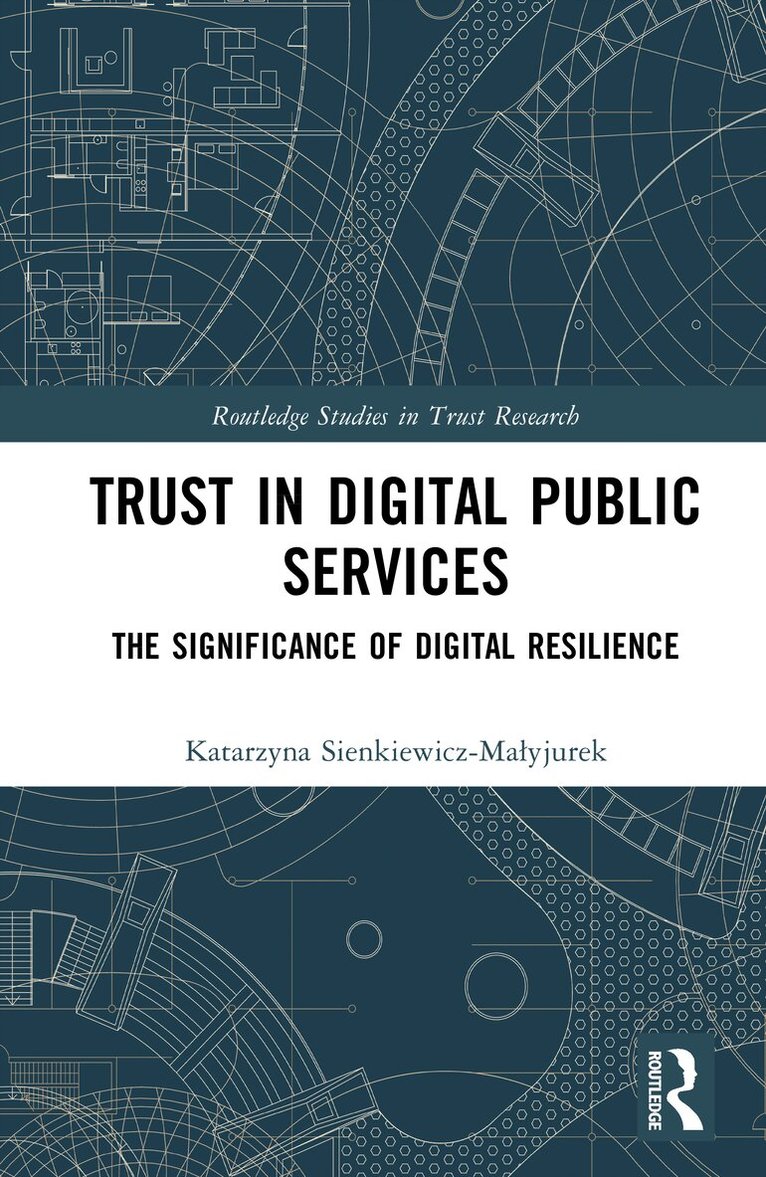
Trust in Digital Public Services
Av Katarzyna Sienkiewicz-Małyjurek
2594 kr
Beställningsvara. Skickas inom 10-15 vardagar. Fri frakt över 249 kr.
Beskrivning
Digital transformation offers a promising way to enhance the effectiveness of public service delivery processes. However, utilizing digital technologies presents both opportunities, such as faster decision-making and improved communication with stakeholders, and challenges, including cyber threats, ethical concerns about technology use, and the risk of technological exclusion. Therefore, it is necessary to ensure their robustness and sustainable use.Furthermore, for these technologies to be useful, it is crucial to encourage stakeholders to engage with the digital delivery of public services and promote their responsible use. As a result, the concepts of digital trust and digital resilience have become increasingly significant, extensively researched, and developed over the past few years. Digital trust is crucial to the acceptance of digital technologies in public service delivery. In turn, digital resilience refers to the capabilities of public organizations to deal with challenges, adapt, and grow through utilizing digital technologies.Despite the growing importance of these concepts, there is limited understanding of how to create and utilize digital trust and digital resilience to improve digitally delivered public services. This monograph aims to systematize knowledge about these two research concepts and empirically demonstrate their impact on the processes of digitally delivered public services.
Produktinformation
- Utgivningsdatum: 2026-10-27
- Mått: 152 x 229 x undefined mm
- Vikt: 530 g
- Format: Inbunden
- Språk: Engelska
- Serie: Routledge Studies in Trust Research
- Antal sidor: 192
- Förlag: Taylor & Francis Ltd
- ISBN: 9781041218166
Utforska kategorier
Betyg & recensioner
0 recensioner
Inga recensioner tillgängliga.