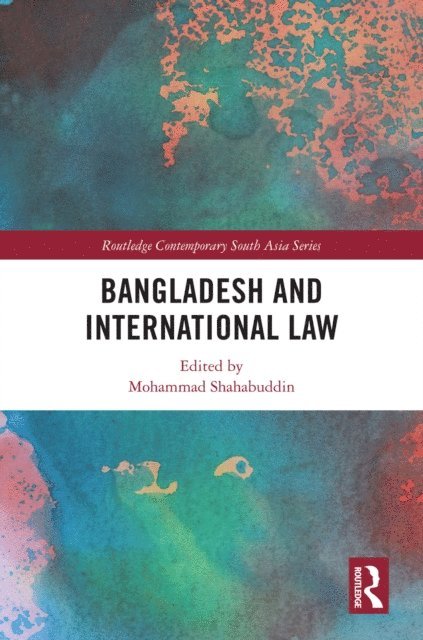
The book offers an in-depth critical examination of the role of international law in the aftermath of the July Revolution in Bangladesh and in its future trajectory as a contemporary nation.The book discusses how violent crackdowns on student protests and UN-recognised crimes led to a series of cases before the International Crimes Tribunal in Bangladesh and, in this regard, explores themes such as justice, accountability, and reparation. The book explores the subsequent series of reform initiatives of the interim government, most importantly on constitutional matters. The book examines how the collapse of the Hasina regime has transformed India–Bangladesh–China relations, with far-reaching implications for South Asia and beyond. The book demonstrates that the July Revolution cannot be understood through domestic politics alone as international law was present throughout: in ascertaining the illegality of state violence, in the prosecution of international crimes, in the struggle for reparations, in the politics of minority protection, in the geopolitical recalibration of Bangladesh’s foreign relations, in domestic implications of the military’s participation in UN peacekeeping, in the regulation of the digital sphere, and in debates over development and climate justice.Contributing to wider debates about revolution, state transformation, and the possibilities and limits of international law in postcolonial contexts, the book will be of interest to scholars and postgraduate students interested in Bangladesh and its engagement with international law, regional politics, and post-July developments in particular.