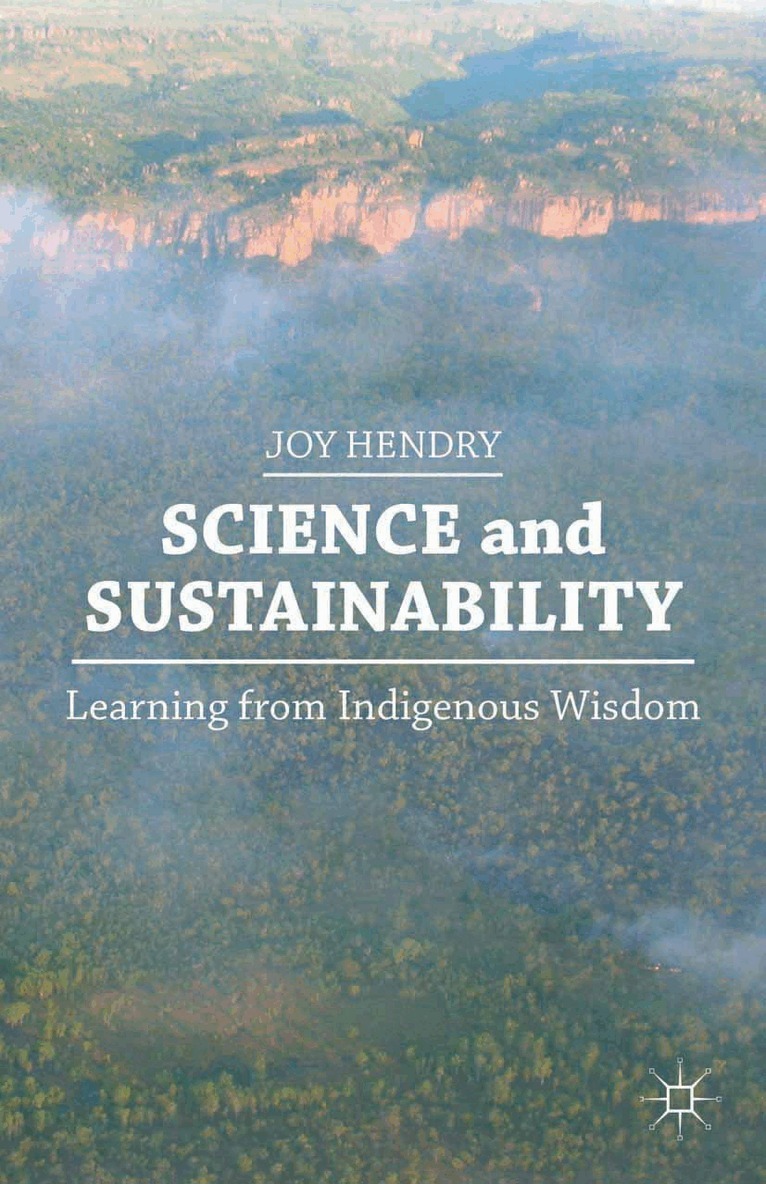
Science and Sustainability
Learning from Indigenous Wisdom
1 106 kr
Beställningsvara. Skickas inom 10-15 vardagar. Fri frakt över 249 kr.
Du är på sajten för privatpersoner.
1 106 kr
Beställningsvara. Skickas inom 10-15 vardagar. Fri frakt över 249 kr.
Joy Hendry is Emeritus Professor of Anthropology at Oxford Brookes University, UK. She specializes in the study of Japan, but has also done fieldwork in Morocco, Canada and Mexico, and has made recent visits to China, Indonesia, Nepal and Uzbekistan. She is the author of many books including Wrapping Culture: Politeness, Presentation and Power in Japan and Other Societies and Reclaiming Culture: Indigenous Peoples and Self-Representation , which was picked by Choice magazine as one of their 'outstanding academic titles' in 2006.
"Science and Sustainability offers hope for the planet. Hendry argues that the traditions of the world's indigeneous peoples can help us to tackle the many global problems that face us and help to build a sustainable world." - David Peat, Director of the Pari Center for New Learning, Italy and author of Blackfoot Physics "Joy Hendry argues that Western science alone cannot ensure sustainable living for the future. In this fascinating, thought-provoking, and very readable study, based upon years of meticulous original research, she invites us to redefine our concept of 'science' in a way that can incorporate insights drawn from many cultures around the globe. She suggests that such a co-operative approach to solving the world's problems is the best way forward." - Allan Chapman, Historian of Science, Oxford University, UK "Drawing on extensive fieldwork, Joy Hendry provides an insightful and engaging account of the knowledge developed by indigenous communities and the ways in which it continues to underpin cultural practice in societies all around the world. Science and Sustainability is a must for anyone interested in the history, definition, study, and representation of science." - Marcel Vellinga, author of Constituting Unity and Difference: Vernacular Architecture in a Minangkabau Village (2004) "Knowing how culture embraces change is crucial for dealing with current and future environmental problems. Science and Sustainability does reinforce the fact that solving the world's ecological challenges requires more cooperative approaches, with the likelihood that certain sections of the community, particularly indigenous peoples, are likely to fare worse in the world to come." - Times Higher Education
Du är på sajten för privatpersoner.
1 106 kr
Beställningsvara. Skickas inom 10-15 vardagar. Fri frakt över 249 kr.
Joy Hendry is Emeritus Professor of Anthropology at Oxford Brookes University, UK. She specializes in the study of Japan, but has also done fieldwork in Morocco, Canada and Mexico, and has made recent visits to China, Indonesia, Nepal and Uzbekistan. She is the author of many books including Wrapping Culture: Politeness, Presentation and Power in Japan and Other Societies and Reclaiming Culture: Indigenous Peoples and Self-Representation , which was picked by Choice magazine as one of their 'outstanding academic titles' in 2006.
"Science and Sustainability offers hope for the planet. Hendry argues that the traditions of the world's indigeneous peoples can help us to tackle the many global problems that face us and help to build a sustainable world." - David Peat, Director of the Pari Center for New Learning, Italy and author of Blackfoot Physics "Joy Hendry argues that Western science alone cannot ensure sustainable living for the future. In this fascinating, thought-provoking, and very readable study, based upon years of meticulous original research, she invites us to redefine our concept of 'science' in a way that can incorporate insights drawn from many cultures around the globe. She suggests that such a co-operative approach to solving the world's problems is the best way forward." - Allan Chapman, Historian of Science, Oxford University, UK "Drawing on extensive fieldwork, Joy Hendry provides an insightful and engaging account of the knowledge developed by indigenous communities and the ways in which it continues to underpin cultural practice in societies all around the world. Science and Sustainability is a must for anyone interested in the history, definition, study, and representation of science." - Marcel Vellinga, author of Constituting Unity and Difference: Vernacular Architecture in a Minangkabau Village (2004) "Knowing how culture embraces change is crucial for dealing with current and future environmental problems. Science and Sustainability does reinforce the fact that solving the world's ecological challenges requires more cooperative approaches, with the likelihood that certain sections of the community, particularly indigenous peoples, are likely to fare worse in the world to come." - Times Higher Education