• Fri frakt över 249 kr
  • •
  • Snabba leveranser
  • •
  • Billiga böcker
Kundservice

Du är på sajten för privatpersoner.

Företag, bibliotek eller offentlig verksamhet?

Du handlar på classic.bokus.com, där alla dina funktioner finns intakta.
Till classic.bokus.com
Bokus logotyp. Gå till startsidan.
  • Erbjudanden
  • Nyheter
  • Student
  • Topplistor
  • Barn & ungdom
  • Bokus Play
  • E-böcker
  • Pocketböcker
  • Spel & pussel

10% rabatt på allt med kod: NYSTART10 →

Sidfot

Mina sidor

    Hjälp

    • Kundservice
    • Vanliga frågor och svar
    • Frakt och leverans
    • Retur vid ångerrätt
    • Reklamera vara
    • Betalning
    • Köpvillkor
    • Allmänna villkor
    • Information om webbplatsens tillgänglighet

    Om Bokus

    • Om oss
    • Pressrum
    • För studenter
    • För företag
    • För bibliotek och offentlig verksamhet
    • För leverantörer
    • Hållbarhet

    Populärt

    • Aktuella erbjudanden
    • Presentkort
    • Studentlitteratur
    • Nya böcker
    • Topplistor
    • Signerade böcker
    • Engelska böcker

    Inspiration

    • Boktips
    • BookTok
    • Populära bokserier
    • Barnbokskaraktärer
    • Populära författare
    Logotyp för Bokus
    Följ oss på Facebook (extern länk)Följ oss på Instagram (extern länk)Följ oss på YouTube (extern länk)Följ oss på TikTok (extern länk)
    bokus @ CookiesAnpassa cookiesIntegritetspolicyKöpvillkor
    Till Citymail hemsida (extern länk)Till Budbee hemsida (extern länk)Till Postnord hemsida (extern länk)Till Schenker hemsida (extern länk)Till Early Bird hemsida (extern länk)Till Walleys hemsida (extern länk)
    1. Historia och arkeologi
    2. Historia
    3. Historia: särskilda händelser och ämnen
    4. Socialhistoria och kulturhistoria

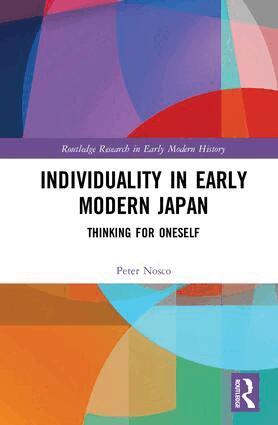
    Individuality in Early Modern Japan

    Thinking for Oneself

    AvPeter Nosco

    Inbunden, Engelska, 2017

    Del i serien Routledge Research in Early Modern History

    2 645 kr

    Beställningsvara. Skickas inom 10-15 vardagar. Fri frakt över 249 kr.

    Fler format och utgåvor

    Häftad

    709 kr

    E-bok

    866 kr

    E-bok

    838 kr

    Beskrivning

    Two of the most commonly alleged features of Japanese society are its homogeneity and its encouragement of conformity, as represented by the saying that the nail that sticks up gets pounded. This volume’s primary goal is to challenge these and a number of other long-standing assumptions regarding Tokugawa (1600-1868) society, and thereby to open a dialogue regarding the relationship between the Japan of two centuries ago and the present. The volume’s central chapters concentrate on six aspects of Tokugawa society: the construction of individual identity, aggressive pursuit of self-interest, defiant practice of forbidden religious traditions, interest in self-cultivation and personal betterment, understandings of happiness and well-being, and embrace of "neglected" counter-ideological values. The author argues that when taken together, these point to far higher degrees of individuality in early modern Japan than has heretofore been acknowledged, and in an Afterword the author briefly examines how these indicators of individuality in early modern Japan are faring in contemporary Japan at the time of writing.

    Produktinformation

    • Utgivningsdatum:2017-09-14
    • Mått:152 x 229 x 19 mm
    • Vikt:408 g
    • Format:Inbunden
    • Språk:Engelska
    • Serie:Routledge Research in Early Modern History
    • Antal sidor:202
    • Förlag:Taylor & Francis Ltd
    • ISBN:9781138308787

    Utforska kategorier

    • Socialhistoria och kulturhistoria inom Historia och arkeologi
    • Asiens historia inom Historia och arkeologi
    • Historia: teori och metod inom Historia och arkeologi

    Mer om författaren

    Peter Nosco is Professor of Asian Studies at the University of British Columbia.

    Recensioner i media

    "Offering a wealth and variety of material, Nosco successfully presents how the early modern Japanese expressed their individuality to a far higher degree than is recognized in traditional studies. Any future study on early modern Japan will be required to consider the power and the richness of these radical, nonconforming voices expressed through diverse means."-Ken Kurihara, Renaissance Quarterly

    Innehållsförteckning

    • 1. Introduction: Creating a Context for Thinking for Oneself 2. Identity and Orientation 3. Self-interest, Protest, and the Public Sphere 4. Secrecy and Privacy in Religious Faith and Practice 5. Self-Cultivation, Salon Culture, and the Private Academy 6. Well-being and the Pursuit of Happiness 7. Values 8. Conclusions: Individuality in Early Modern Japan. Afterword: Aspects of and Resistance to Individuality in Contemporary Japan