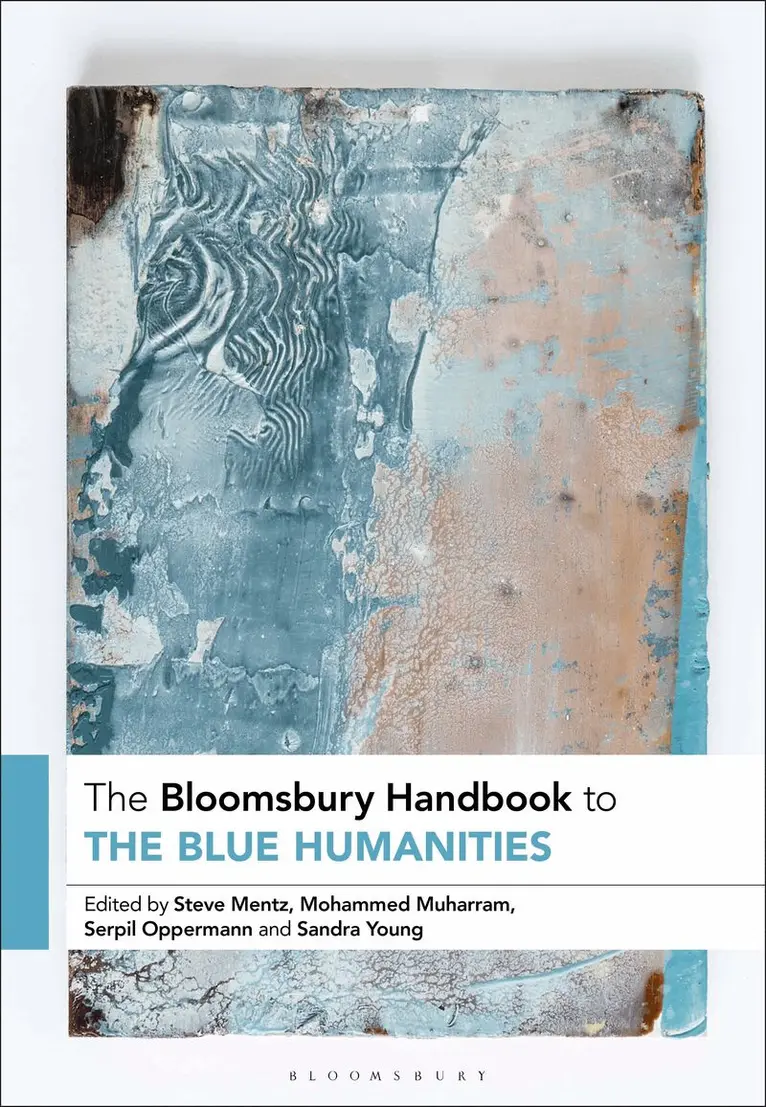
Inbunden, Engelska, 2027
Bloomsbury Handbook to the Blue Humanities
Av Steve Mentz, Mohammed Muharram, Serpil Oppermann, Sandra Young
2256 kr
Kommande
Beskrivning
The most comprehensive treatment of the emerging discourse of the Blue Humanities to date, this book comprises essays from key figures alongside new voices, creating a navigational map through this new discipline’s formulations and possibilities.Structured around four parts, Discourses, Networks, Forms and Representations, the Handbook begins by establishing the critical discourses and theoretical lenses that shape how we see our planet’s water, and the impact of watery thinking on disciplinary knowledge. It ranges across the Indian, Atlantic, Pacific, Arctic and Southern Ocean worlds, recognising oceans as active, connective systems that link people, species, ideas, and materials across time and space. It considers the myriad ways humans encounter water: salty, fresh, frozen or fluid, out in the world or moving within human bodies. It also explores artistic practices that conceptualize human relation to water - visual, sonic, poetic - and the watery imaginings of artists conjuring an immersive encounter to bear witness to historical injustice and a climate crisis that is all too current. Moving beyond Western binaries of colonial representation, the book includes a diverse range of contributions and contributors, making it essential reading for scholars and students of the Blue Humanities.
Produktinformation
- Utgivningsdatum: 2027-02-18
- Mått: 169 x 244 x 25 mm
- Vikt: 454 g
- Format: Inbunden
- Språk: Engelska
- Serie: Bloomsbury Handbooks
- Antal sidor: 560
- Förlag: Bloomsbury Publishing PLC
- ISBN: 9781350450707
Utforska kategorier
Betyg & recensioner
0 recensioner
Inga recensioner tillgängliga.