Steve Mentz – författare
Visar alla böcker från författaren Steve Mentz. Handla med fri frakt och snabb leverans.
21 produkter
21 produkter
Inbunden, Engelska, 2020
3 334 kr
Skickas inom 10-15 vardagar
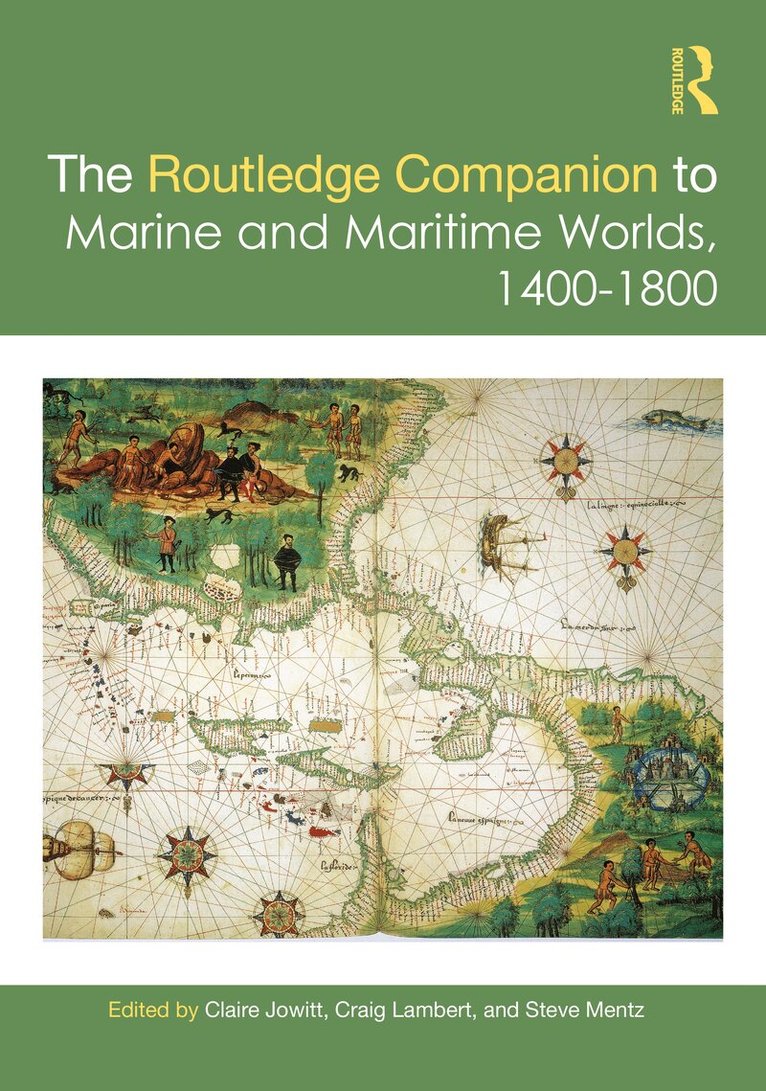
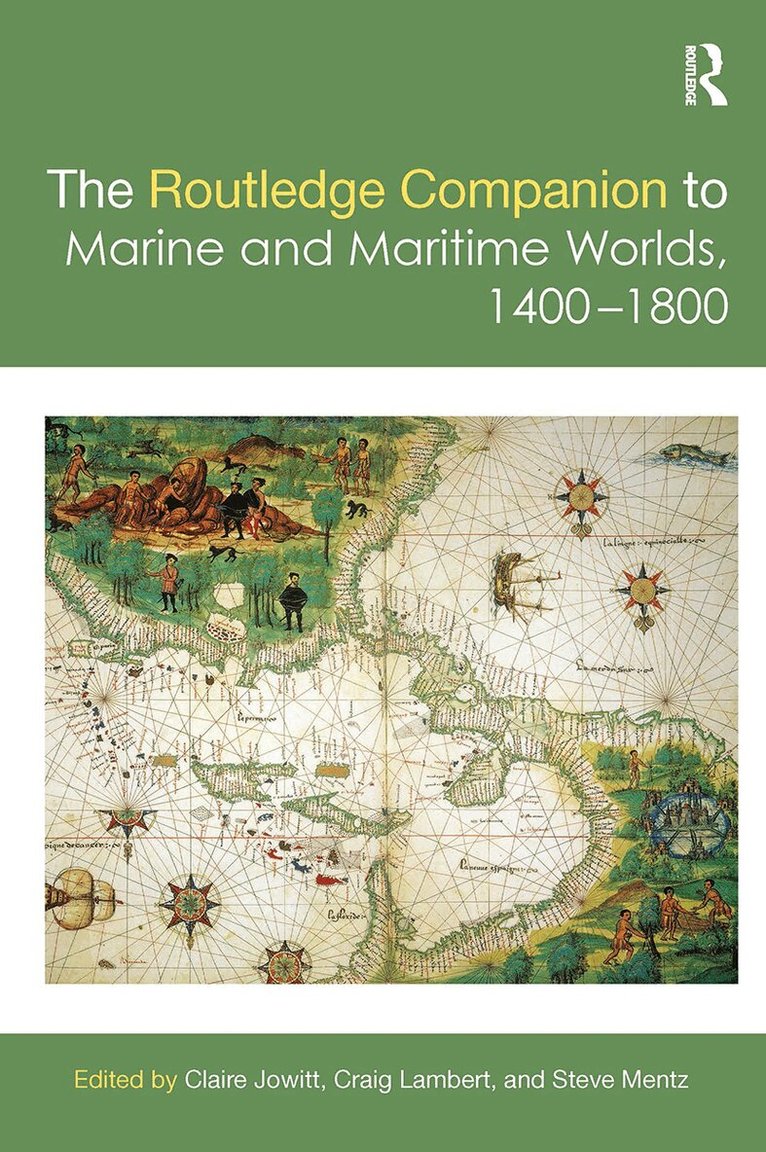
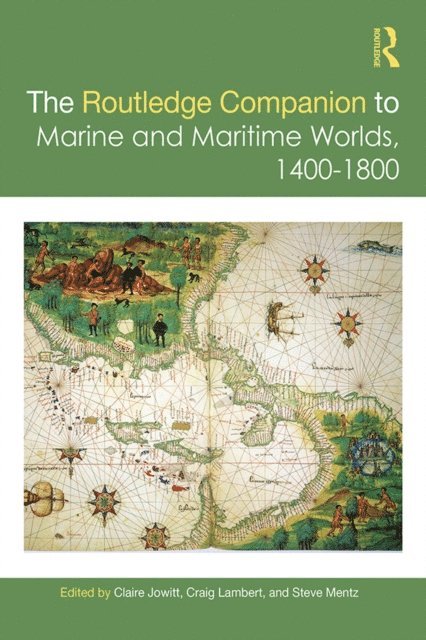
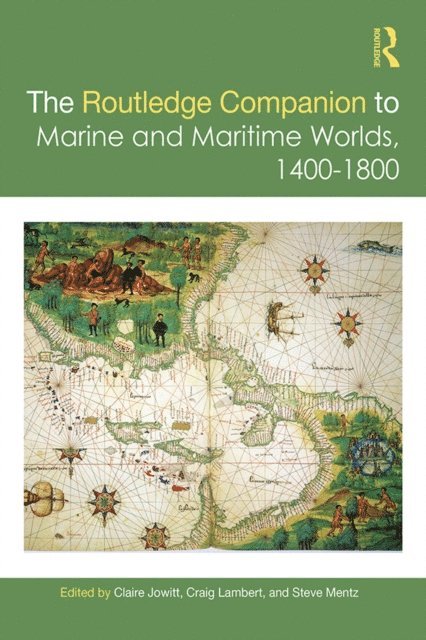
This book has been nominated for The Mountbatten Award for Best Book in the Maritime Media Awards 2021.The Routledge Companion to Marine and Maritime Worlds, 1400‒1800 explores early modern maritime history, culture, and the current state of the research and approaches taken by experts in the field.Ranging from cartography to poetry and decorative design to naval warfare, the book shows how once-traditional and often Euro-chauvinistic depictions of oceanic ‘mastery’ during the early modern period have been replaced by newer global ideas. This comprehensive volume challenges underlying assumptions by balancing its assessment of the consequences and accomplishments of European navigators in the era of Columbus, da Gama, and Magellan, with an awareness of the sophistication and maritime expertise in Asia, the Arab world, and the Americas. By imparting riveting new stories and global perceptions of maritime history and culture, the contributors provide readers with fresh insights concerning early modern entanglements between humans and the vast, unpredictable ocean.With maritime studies growing and the ocean’s health in decline, this volume is essential reading for academics and students interested in the historicization of the ocean and the ways early modern cultures both conceptualized and utilized seas.
Häftad, Engelska, 2022
715 kr
Skickas inom 10-15 vardagar
This book has been nominated for The Mountbatten Award for Best Book in the Maritime Media Awards 2021.The Routledge Companion to Marine and Maritime Worlds, 1400‒1800 explores early modern maritime history, culture, and the current state of the research and approaches taken by experts in the field.Ranging from cartography to poetry and decorative design to naval warfare, the book shows how once-traditional and often Euro-chauvinistic depictions of oceanic ‘mastery’ during the early modern period have been replaced by newer global ideas. This comprehensive volume challenges underlying assumptions by balancing its assessment of the consequences and accomplishments of European navigators in the era of Columbus, da Gama, and Magellan, with an awareness of the sophistication and maritime expertise in Asia, the Arab world, and the Americas. By imparting riveting new stories and global perceptions of maritime history and culture, the contributors provide readers with fresh insights concerning early modern entanglements between humans and the vast, unpredictable ocean.With maritime studies growing and the ocean’s health in decline, this volume is essential reading for academics and students interested in the historicization of the ocean and the ways early modern cultures both conceptualized and utilized seas.
Häftad, Engelska, 2023
609 kr
Skickas inom 10-15 vardagar
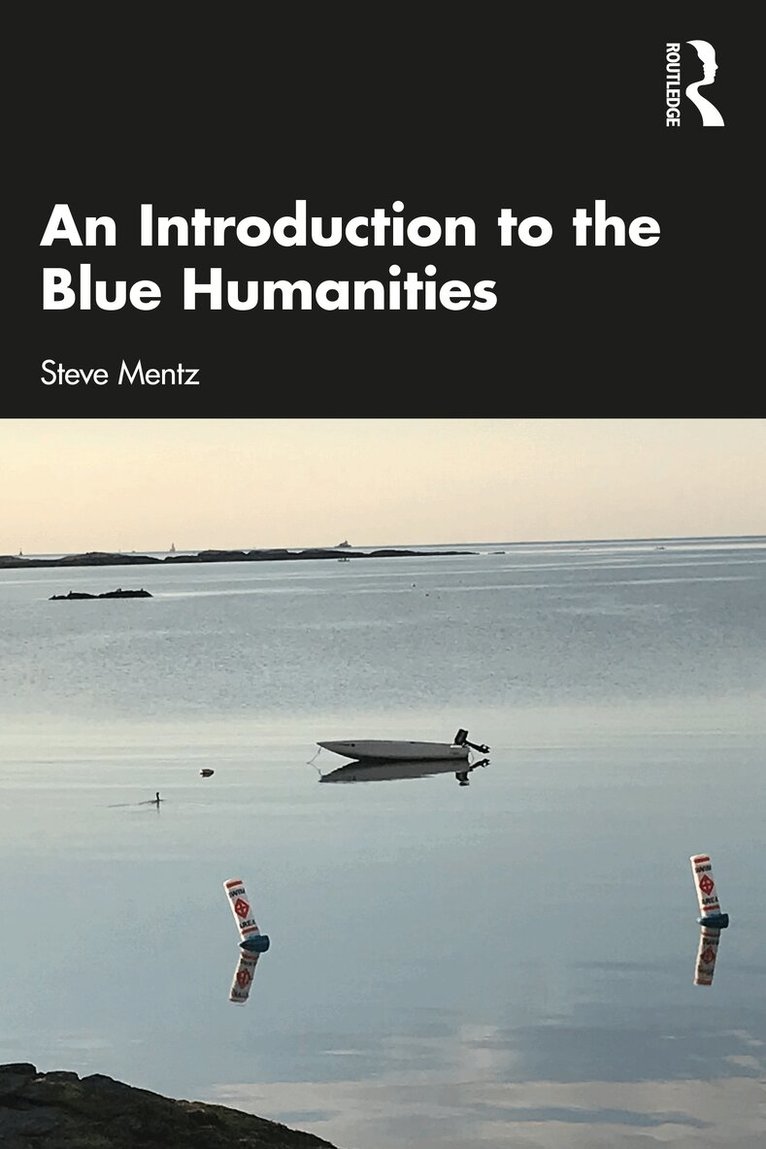
An Introduction to the Blue Humanities is the first textbook to explore the many ways humans engage with water, utilizing literary, cultural, historical, and theoretical connections and ecologies to introduce students to the history and theory of water-centric thinking. Comprised of multinational texts and materials, each chapter will provide readers with a range of primary and secondary sources, offering a fresh look at the major oceanic regions, saltwater and freshwater geographies, and the physical properties of water that characterize the Blue Humanities. Each chapter engages with carefully chosen primary texts, including frequently taught works such as Herman Melville’s Moby-Dick, Samuel Taylor Coleridge’s “Rime of the Ancient Mariner,” Homer’s Odyssey, and Luis Vaz de Camões’s Lusíads, to provide the perfect pedagogy for students to develop an understanding of the Blue Humanities chapter by chapter. Readers will gain insight into new trends in intellectual culture and the enduring history of humans thinking with and about water, ranging across the many coastlines of the World Ocean to Pacific clouds, Mediterranean lakes, Caribbean swamps, Arctic glaciers, Southern Ocean rainstorms, Atlantic groundwater, and Indian Ocean rivers. Providing new avenues for future thinking and investigation of the Blue Humanities, this volume will be ideal for both undergraduate and graduate courses engaging with the environmental humanities and oceanic literature.
Inbunden, Engelska, 2023
2 459 kr
Skickas inom 10-15 vardagar
An Introduction to the Blue Humanities is the first textbook to explore the many ways humans engage with water, utilizing literary, cultural, historical, and theoretical connections and ecologies to introduce students to the history and theory of water-centric thinking. Comprised of multinational texts and materials, each chapter will provide readers with a range of primary and secondary sources, offering a fresh look at the major oceanic regions, saltwater and freshwater geographies, and the physical properties of water that characterize the Blue Humanities. Each chapter engages with carefully chosen primary texts, including frequently taught works such as Herman Melville’s Moby-Dick, Samuel Taylor Coleridge’s “Rime of the Ancient Mariner,” Homer’s Odyssey, and Luis Vaz de Camões’s Lusíads, to provide the perfect pedagogy for students to develop an understanding of the Blue Humanities chapter by chapter. Readers will gain insight into new trends in intellectual culture and the enduring history of humans thinking with and about water, ranging across the many coastlines of the World Ocean to Pacific clouds, Mediterranean lakes, Caribbean swamps, Arctic glaciers, Southern Ocean rainstorms, Atlantic groundwater, and Indian Ocean rivers. Providing new avenues for future thinking and investigation of the Blue Humanities, this volume will be ideal for both undergraduate and graduate courses engaging with the environmental humanities and oceanic literature.
Häftad, Engelska, 2020
830 kr
Skickas inom 10-15 vardagar
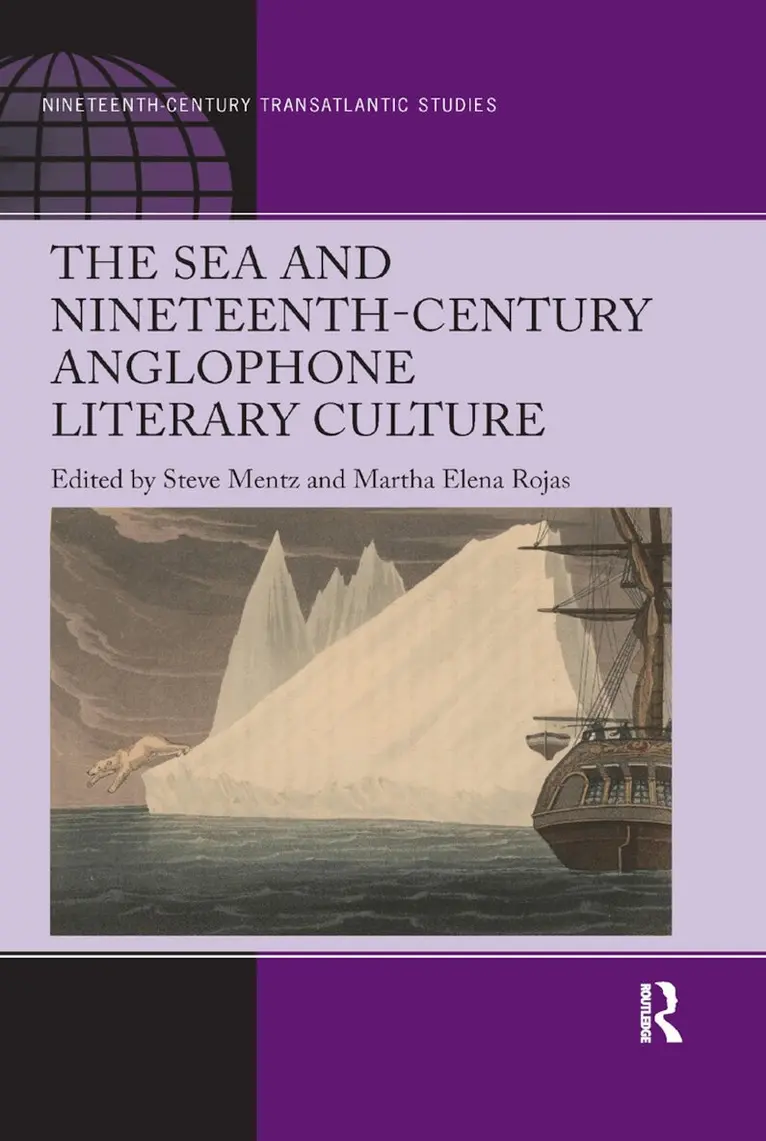
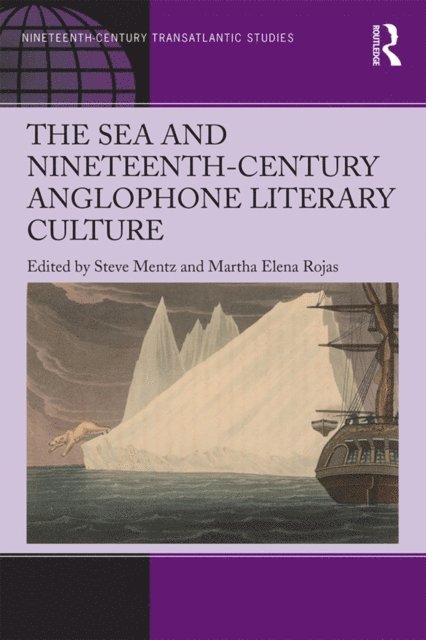
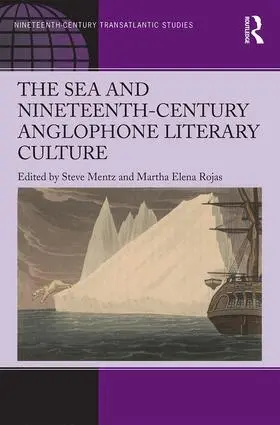
During the nineteenth century, British and American naval supremacy spanned the globe. The importance of transoceanic shipping and trade to the European-based empire and her rapidly expanding former colony ensured that the ocean became increasingly important to popular literary culture in both nations. This collection of ten essays by expert scholars in transatlantic British and American literatures interrogates the diverse meanings the ocean assumed for writers, readers, and thinkers on both sides of the Atlantic during this period of global exploration and colonial consolidation. The book’s introduction offers three critical lenses through which to read nineteenth-century Anglophone maritime literature: "wet globalization," which returns the ocean to our discourses of the global; "salt aesthetics," which considers how the sea influences artistic culture and aesthetic theory; and "blue ecocriticism," which poses an oceanic challenge to the narrowly terrestrial nature of "green" ecological criticism. The essays employ all three of these lenses to demonstrate the importance of the ocean for the changing shapes of nineteenth-century Anglophone culture and literature. Examining texts from Moby-Dick to the coral flower-books of Victorian Australia, and from Wordsworth’s sea-poetry to the Arctic journals of Charles Francis Hall, this book shows how important and how varied in meaning the ocean was to nineteenth-century Anglophone readers. Scholars of nineteenth-century globalization, the history of aesthetics, and the ecological importance of the ocean will find important scholarship in this volume.
Inbunden, Engelska, 2006
2 538 kr
Skickas inom 10-15 vardagar
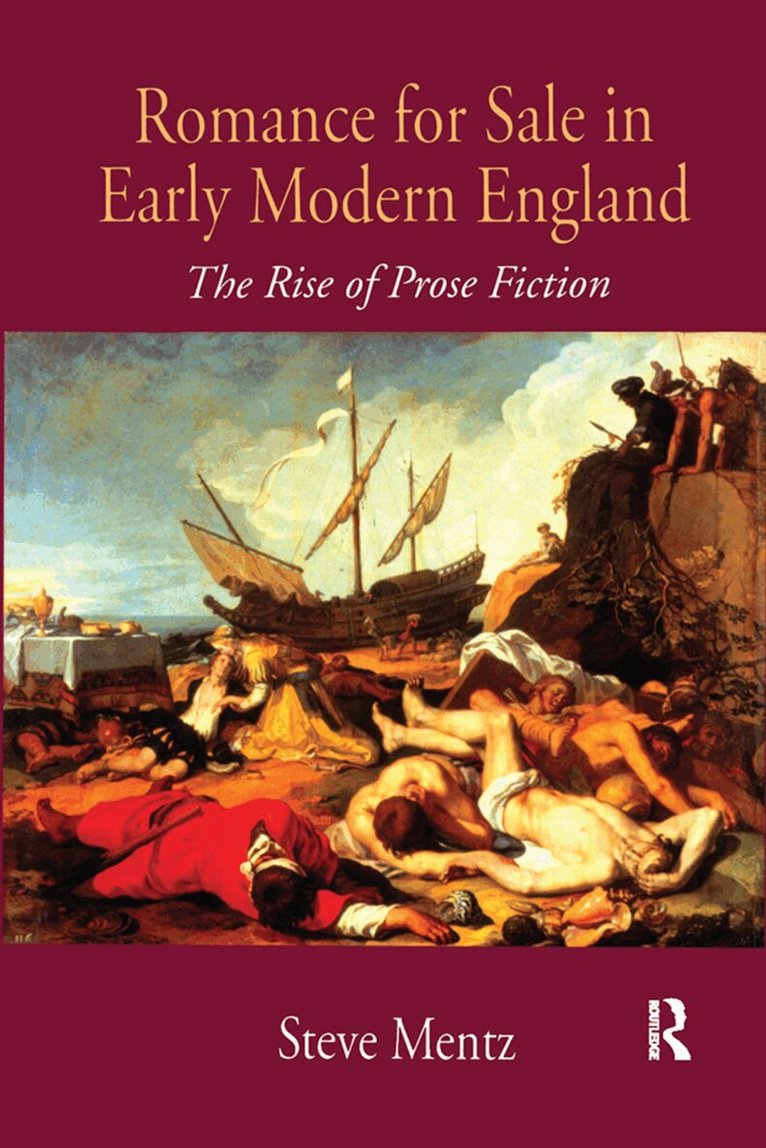
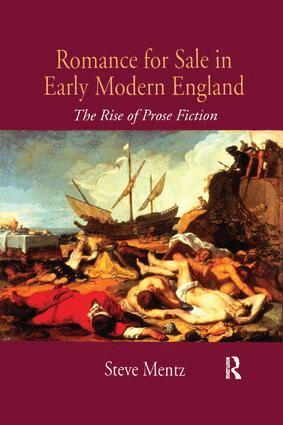
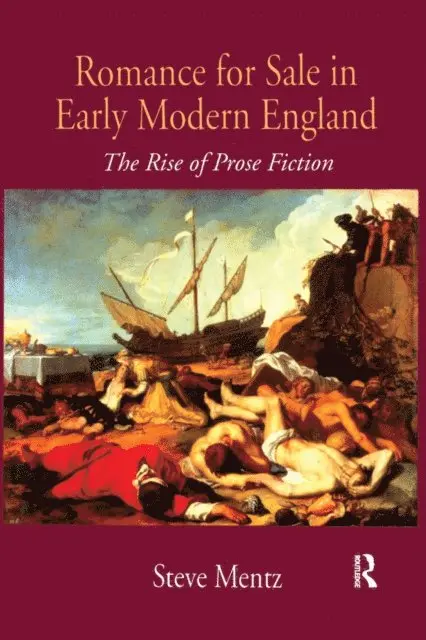
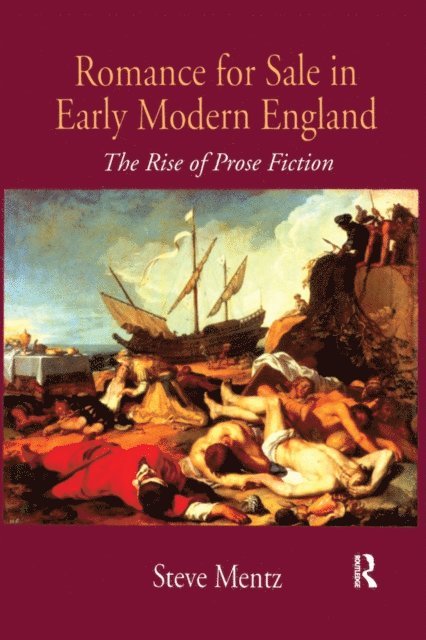
The major claim made by this study is that early modern English prose fiction self-consciously invented a new form of literary culture in which professional writers created books to be printed and sold to anonymous readers. It further claims that this period's narrative innovations emerged not solely from changes in early modern culture like print and the book market, but also from the rediscovery of a forgotten late classical text from North Africa, Heliodorus's Aethiopian History. In making these claims, Steve Mentz provides a comprehensive historicist and formalist account of prose romance, the most important genre of Elizabethan fiction. He explores how authors and publishers of prose fiction in late sixteenth-century England produced books that combined traditional narrative forms with a dynamic new understanding of the relationship between text and audience. Though prose fiction would not dominate English literary culture until the eighteenth century, Mentz demonstrates that the form began to invent itself as a distinct literary kind in England nearly two centuries earlier. Examining the divergent but interlocking careers of Robert Greene, Sir Philip Sidney, Thomas Lodge, and Thomas Nashe, Mentz traces how through differing commitments to print culture and their respective engagements with Heliodoran romance, these authors helped make the genre of prose fiction culturally and economically viable in England. Mentz explores how the advent of print and the book market changed literary discourse, influencing new conceptions of what he calls 'middlebrow' narrative and new habits of reading and writing. This study draws together three important strains of current scholarly inquiry: the history of the book and print culture, the study of popular fiction, and the re-examination of genre and influence. It also connects early modern fiction with longer histories of prose fiction and the rise of the modern novel.
Inbunden, Engelska, 2015
1 296 kr
Skickas inom 5-8 vardagar
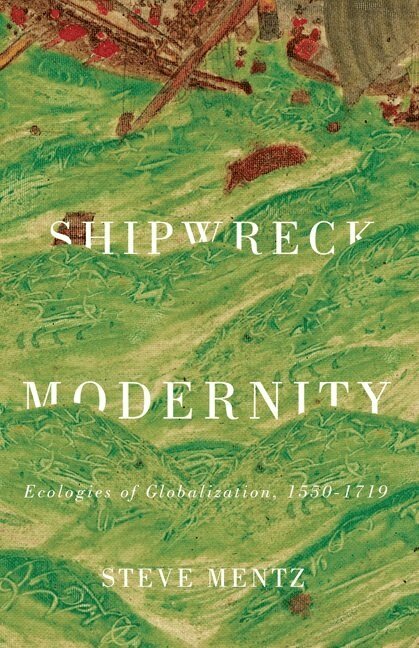
Shipwreck Modernity engages early modern representations of maritime disaster in order to describe the global experience of ecological crisis. In the wet chaos of catastrophe, sailors sought temporary security as their worlds were turned upside down. Similarly, writers, poets, and other thinkers searched for stability amid the cultural shifts that resulted from global expansion. The ancient master plot of shipwreck provided a literary language for their dislocation and uncertainty.Steve Mentz identifies three paradigms that expose the cultural meanings of shipwreck in historical and imaginative texts from the mid-sixteenth through the early eighteenth centuries: wet globalization, blue ecology, and shipwreck modernity. The years during which the English nation and its emerging colonies began to define themselves through oceangoing expansion were also a time when maritime disaster occupied sailors, poets, playwrights, sermon makers, and many others. Through coming to terms with shipwreck, these figures adapted to disruptive change.Traces of shipwreck ecology appear in canonical literature from Shakespeare to Donne to Defoe and also in sermons, tales of survival, amateur poetry, and the diaries of seventeenth-century English sailors. The isolated islands of Bermuda and the perils of divine anger hold central places. Modern sailor-poets including Herman Melville serve as valuable touchstones in the effort to parse the reality and understandings of global shipwreck.Offering the first ecocritical account of early modern shipwreck narratives, Shipwreck Modernity reveals the surprisingly modern truths to be found in these early stories of ecological collapse.
Häftad, Engelska, 2015
361 kr
Skickas inom 5-8 vardagar
Shipwreck Modernity engages early modern representations of maritime disaster in order to describe the global experience of ecological crisis. In the wet chaos of catastrophe, sailors sought temporary security as their worlds were turned upside down. Similarly, writers, poets, and other thinkers searched for stability amid the cultural shifts that resulted from global expansion. The ancient master plot of shipwreck provided a literary language for their dislocation and uncertainty.Steve Mentz identifies three paradigms that expose the cultural meanings of shipwreck in historical and imaginative texts from the mid-sixteenth through the early eighteenth centuries: wet globalization, blue ecology, and shipwreck modernity. The years during which the English nation and its emerging colonies began to define themselves through oceangoing expansion were also a time when maritime disaster occupied sailors, poets, playwrights, sermon makers, and many others. Through coming to terms with shipwreck, these figures adapted to disruptive change.Traces of shipwreck ecology appear in canonical literature from Shakespeare to Donne to Defoe and also in sermons, tales of survival, amateur poetry, and the diaries of seventeenth-century English sailors. The isolated islands of Bermuda and the perils of divine anger hold central places. Modern sailor-poets including Herman Melville serve as valuable touchstones in the effort to parse the reality and understandings of global shipwreck.Offering the first ecocritical account of early modern shipwreck narratives, Shipwreck Modernity reveals the surprisingly modern truths to be found in these early stories of ecological collapse.
Häftad, Engelska, 2025
735 kr
Skickas inom 10-15 vardagar
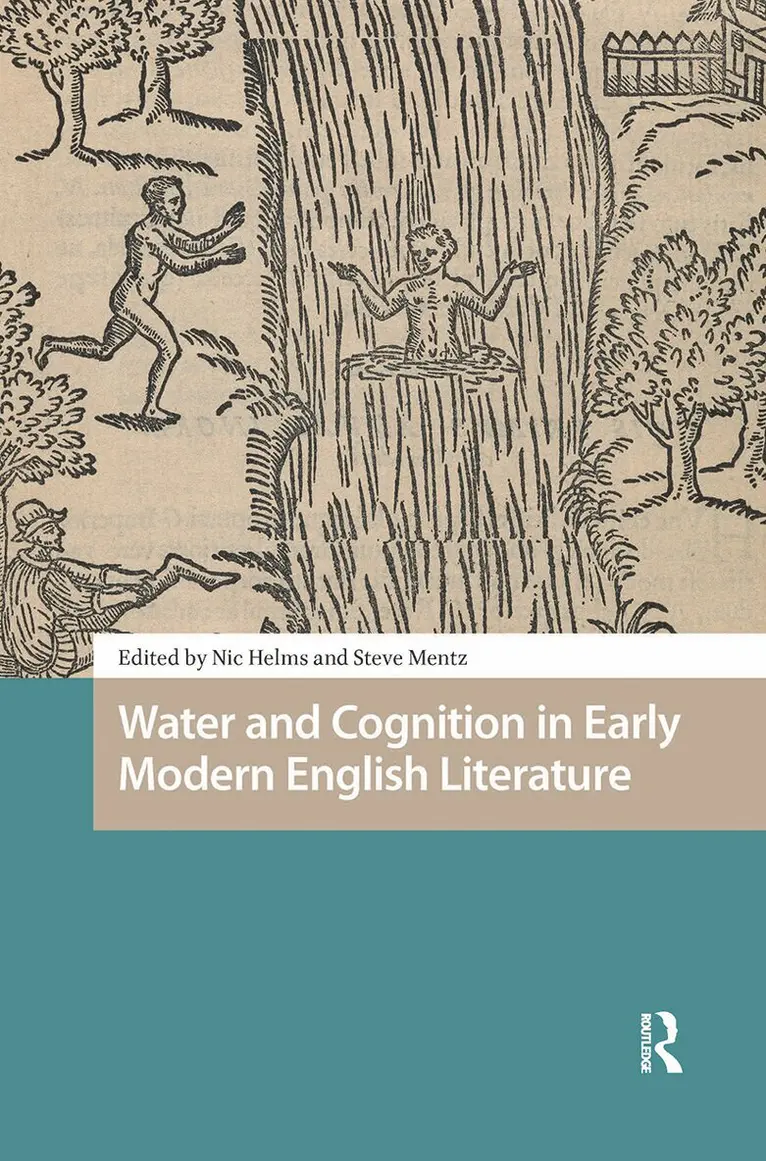
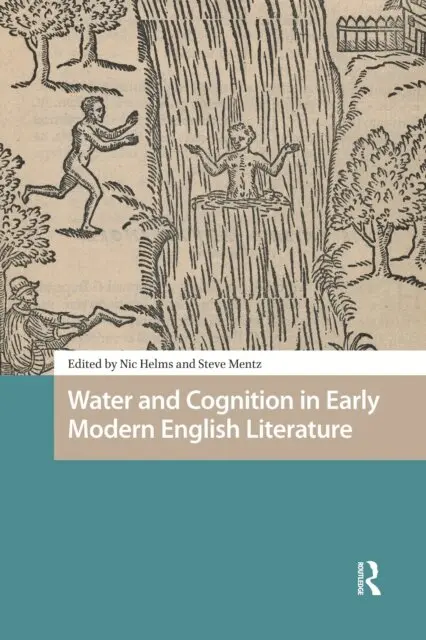
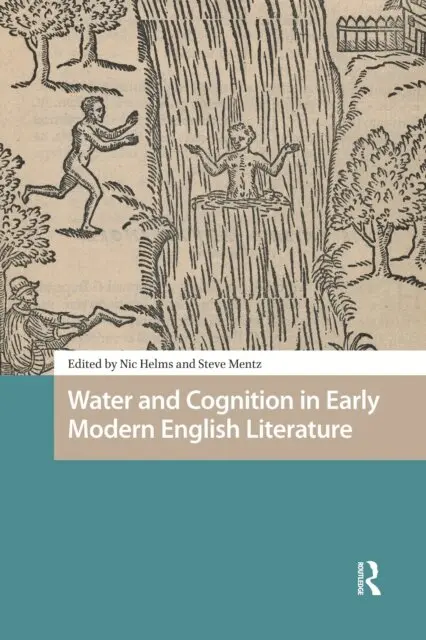
Water and cognition seem unrelated things, the one a physical environment and the other an intellectual process. The essays in this book show how bringing these two modes together revitalizes our understanding of both. Water and especially oceanic spaces have been central to recent trends in the environmental humanities and premodern ecocriticism. Cognition, including ideas about the “extended mind” and distributed cognition, has also been important in early modern literary and cultural studies over the past few decades. This book aims to think “water” and “cognition” as distinct critical modes and also to combine them in what we term “watery thinking.” Water and Cognition brings together cognitive science and ecocriticism to ask how the environment influences how humans think, and how they think about thinking. The collection explores how water — as element, as environment, and as part of our bodies — affects the way early modern and contemporary discourses understand cognition.
Häftad, Engelska, 2017
893 kr
Skickas inom 10-15 vardagar
The major claim made by this study is that early modern English prose fiction self-consciously invented a new form of literary culture in which professional writers created books to be printed and sold to anonymous readers. It further claims that this period's narrative innovations emerged not solely from changes in early modern culture like print and the book market, but also from the rediscovery of a forgotten late classical text from North Africa, Heliodorus's Aethiopian History. In making these claims, Steve Mentz provides a comprehensive historicist and formalist account of prose romance, the most important genre of Elizabethan fiction. He explores how authors and publishers of prose fiction in late sixteenth-century England produced books that combined traditional narrative forms with a dynamic new understanding of the relationship between text and audience. Though prose fiction would not dominate English literary culture until the eighteenth century, Mentz demonstrates that the form began to invent itself as a distinct literary kind in England nearly two centuries earlier. Examining the divergent but interlocking careers of Robert Greene, Sir Philip Sidney, Thomas Lodge, and Thomas Nashe, Mentz traces how through differing commitments to print culture and their respective engagements with Heliodoran romance, these authors helped make the genre of prose fiction culturally and economically viable in England. Mentz explores how the advent of print and the book market changed literary discourse, influencing new conceptions of what he calls 'middlebrow' narrative and new habits of reading and writing. This study draws together three important strains of current scholarly inquiry: the history of the book and print culture, the study of popular fiction, and the re-examination of genre and influence. It also connects early modern fiction with longer histories of prose fiction and the rise of the modern novel.
Inbunden, Engelska, 2027
2 620 kr
Kommande
The most comprehensive treatment of the emerging discourse of the Blue Humanities to date, this book comprises essays from key figures alongside new voices, creating a navigational map through this new discipline’s formulations and possibilities.Structured around four parts that focus on Discourses, Forms, Networks and Representations, the handbook ranges across topics such as blue philosophy, blue law and blue anthropology, locations such as the Indian Ocean, Atlantic Ocean, Pacific Ocean and Arctic Ocean, and media such as literature, film, visual art and orature.Moving beyond Western binaries of colonial representation such as North-South and East-West, the book includes a diverse range of contributions and contributors, making it essential reading for scholars and students of the Blue Humanities.
Häftad, Engelska, 2024
378 kr
Skickas inom 5-8 vardagar
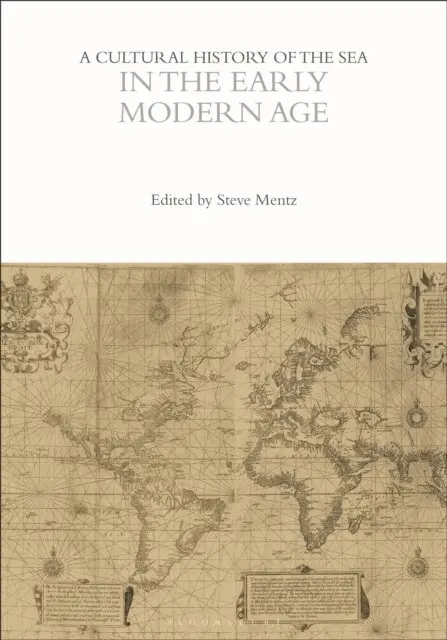
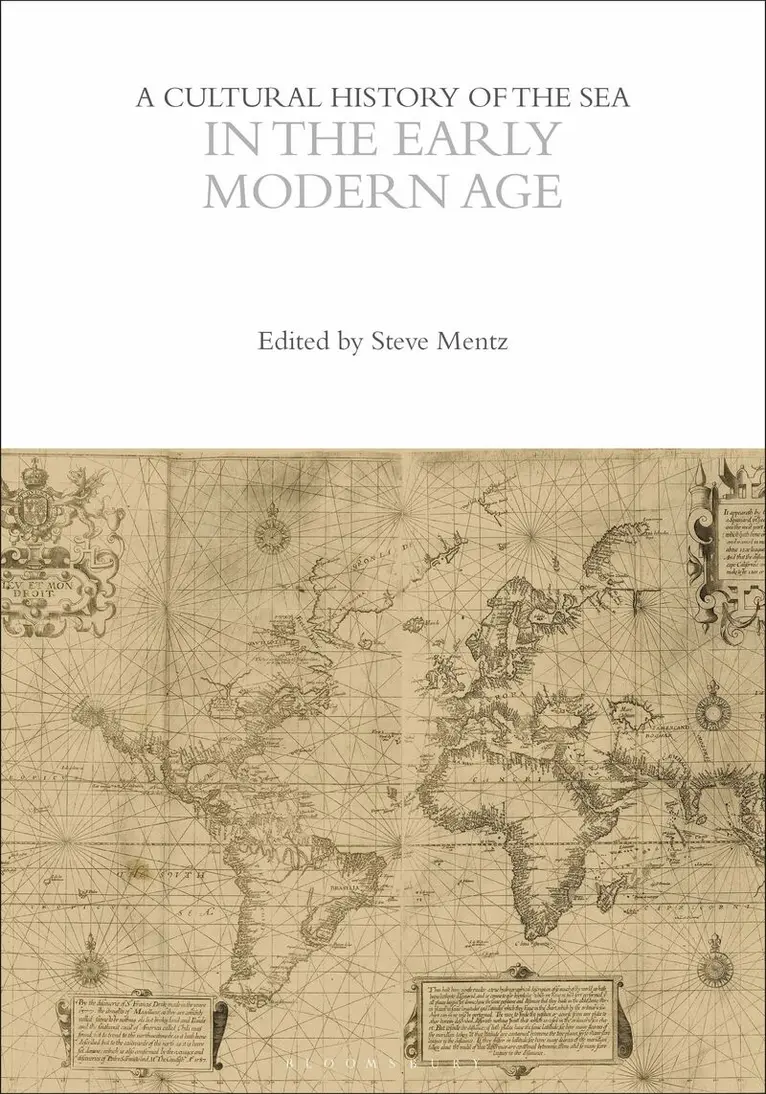
For the first time during the Early Modern period, ships regularly traveled between and among all of basins that comprise the World Ocean. During this period European mariners ventured into new waters, where they encountered new trading partners, new environments, and new opportunities. In the Caribbean and Atlantic coast of the Americas, European mariners sought everything from pearls to gold to codfish, and in pursuing these resources they fractured Indigenous communities. Entering into the ancient monsoon routes of the Indian Ocean brought European ships in touch with the powerful states and maritime cultures of East Africa and Asia. Converging on the vast Pacific basin both from the Americas and from Asia brought these mariners into contact with ancient cultures, dangerous passages, and newly global trade routes. During this period of globalization and cultural encounters, the ocean provided a means of transportation, a site of environmental hostility, and a poetic metaphor for both connection and alienation. In material and cultural ways, the global sea-routes traveled during this period laid down structures of global exchange and conflict that the world still follows today
Inbunden, Engelska, 2026
1 594 kr
Kommande
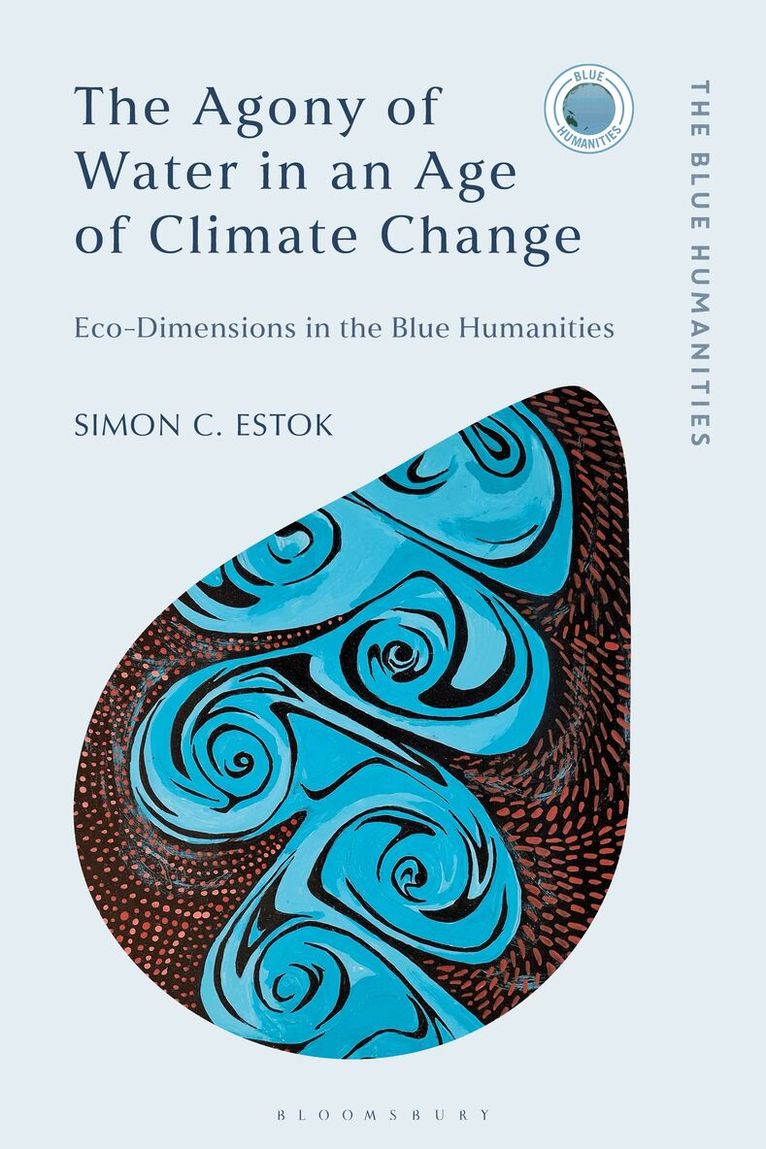
Examining how water appears to humanity (its forms) and how humanity apprehends it (our perceptual horizons), this book proposes a methodology for better understanding and conceptualizing our relationship to water in an age characterized by climate change.Water—the very basis of life—is under threat all over the planet, and this book offers critical understandings of how our thinking prevents us from addressing this very real danger. Structured around important 'watery' concepts such as flood, drought, circulation, melt, plastic, and resilience, it examines literary and filmic texts from a variety of writers and directors such as Amitav Ghosh, J.G. Ballard, Zora Neale Hurston, and Carolina Caycedo.Offering a rigorous treatment of water at its most unruly - that is, when, water fails to behave as humans need or expect it to - this book enriches both our understanding of climate change and the challenge of perceiving it, with respect to one of life’s most crucial elements.
Inbunden, Engelska, 2016
2 775 kr
Skickas inom 10-15 vardagar
During the nineteenth century, British and American naval supremacy spanned the globe. The importance of transoceanic shipping and trade to the European-based empire and her rapidly expanding former colony ensured that the ocean became increasingly important to popular literary culture in both nations. This collection of ten essays by expert scholars in transatlantic British and American literatures interrogates the diverse meanings the ocean assumed for writers, readers, and thinkers on both sides of the Atlantic during this period of global exploration and colonial consolidation. The book’s introduction offers three critical lenses through which to read nineteenth-century Anglophone maritime literature: "wet globalization," which returns the ocean to our discourses of the global; "salt aesthetics," which considers how the sea influences artistic culture and aesthetic theory; and "blue ecocriticism," which poses an oceanic challenge to the narrowly terrestrial nature of "green" ecological criticism. The essays employ all three of these lenses to demonstrate the importance of the ocean for the changing shapes of nineteenth-century Anglophone culture and literature. Examining texts from Moby-Dick to the coral flower-books of Victorian Australia, and from Wordsworth’s sea-poetry to the Arctic journals of Charles Francis Hall, this book shows how important and how varied in meaning the ocean was to nineteenth-century Anglophone readers. Scholars of nineteenth-century globalization, the history of aesthetics, and the ecological importance of the ocean will find important scholarship in this volume.
Häftad, Engelska, 2020
140 kr
Skickas
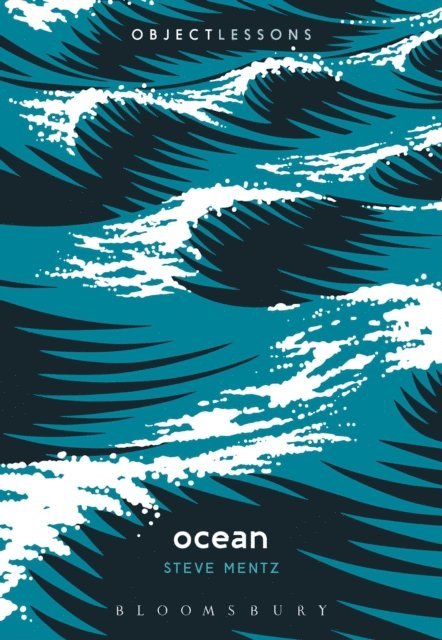
Object Lessons is a series of short, beautifully designed books about the hidden lives of ordinary things. The ocean comprises the largest object on our planet. Retelling human history from an oceanic rather than terrestrial point of view unsettles our relationship with the natural environment. Our engagement with the world's oceans can be destructive, as with today’s deluge of plastic trash and acidification, but the mismatch between small bodies and vast seas also emphasizes the frailty and resilience of human experience. From ancient stories of shipwrecked sailors to the containerized future of 21st-century commerce, Ocean splashes the histories we thought we knew into salty and unfamiliar places.Object Lessons is published in partnership with an essay series in The Atlantic.
Häftad, Engelska, 2019
146 kr
Skickas inom 5-8 vardagar
Takes the singular eco-catastrophic “Age of Man” and redefines this epoch We live in a new world: the Anthropocene. The Age of Man is defined in many ways, and most dramatically through climate change, mass extinction, and human marks in the geological record. Ideas of the Anthropocene spill out from the geophysical sciences into the humanities, social sciences, the arts, and mainstream debates-but it’s hard to know what the new coinage really means. Break Up the Anthropocene argues that this age should subvert imperial masculinity and industrial conquest by opening up the plural possibilities of Anthropocene debates of resilience, adaptation, and the struggle for environmental justice. Forerunners: Ideas FirstShort books of thought-in-process scholarship, where intense analysis, questioning, and speculation take the lead
Inbunden, Engelska, 2024
983 kr
Skickas inom 10-15 vardagar
Journey through uncharted literary waters and explore Melville's epic in bold new lightCome sail with I.We're not taking the same trip, though you might recognize the familiar course. This time, the Pequod's American voyage steers its course across the curvature of the Word Ocean without anyone at the helm. We are leaving one man and his madness on shore. Our ship overflows with glorious plurality—multiracial, visionary, queer, conflicted, polyphonic, playful, violent. But on this voyage something is different. Today we sail headless without any Captain. Instead of binding ourselves to the dismasted tyrant's rage, the ship's crew seeks only what we will find: currents teeming with life, a blue-watered alien globe, toothy cetacean smiles from vasty deeps. Treasures await those who sail without.This cycle of one hundred thirty-eight poems—one for each chapter in Moby-Dick, plus the Etymology, Extracts, and Epilogue—launches into oceanic chaos without the stabilizing mad focus of the Nantucket captain. Guided by waywardness and curiosity, these poems seek an alien ecopoetics of marine depths, the refraction of light, the taste of salt on skin. Directionless, these poems reach out to touch oceanic expanse and depth. It's not an easy voyage, and not a certain one. It lures you forward. It has fixed its barbed hook in I.Sailing without means relinquishing goals, sleeping at the masthead, forgetting obsessions. I welcome you to trace wayward ways through these poems. Read them any way you can—back to front, at random, sideways, following the obscure promptings of your heart. It's the turning that matters. It's a blue wonder world that beckons.
Häftad, Engelska, 2024
251 kr
Skickas
Journey through uncharted literary waters and explore Melville's epic in bold new lightCome sail with I.We're not taking the same trip, though you might recognize the familiar course. This time, the Pequod's American voyage steers its course across the curvature of the Word Ocean without anyone at the helm. We are leaving one man and his madness on shore. Our ship overflows with glorious plurality—multiracial, visionary, queer, conflicted, polyphonic, playful, violent. But on this voyage something is different. Today we sail headless without any Captain. Instead of binding ourselves to the dismasted tyrant's rage, the ship's crew seeks only what we will find: currents teeming with life, a blue-watered alien globe, toothy cetacean smiles from vasty deeps. Treasures await those who sail without.This cycle of one hundred thirty-eight poems—one for each chapter in Moby-Dick, plus the Etymology, Extracts, and Epilogue—launches into oceanic chaos without the stabilizing mad focus of the Nantucket captain. Guided by waywardness and curiosity, these poems seek an alien ecopoetics of marine depths, the refraction of light, the taste of salt on skin. Directionless, these poems reach out to touch oceanic expanse and depth. It's not an easy voyage, and not a certain one. It lures you forward. It has fixed its barbed hook in I.Sailing without means relinquishing goals, sleeping at the masthead, forgetting obsessions. I welcome you to trace wayward ways through these poems. Read them any way you can—back to front, at random, sideways, following the obscure promptings of your heart. It's the turning that matters. It's a blue wonder world that beckons.
Inbunden, Engelska, 2009
1 571 kr
Skickas inom 10-15 vardagar
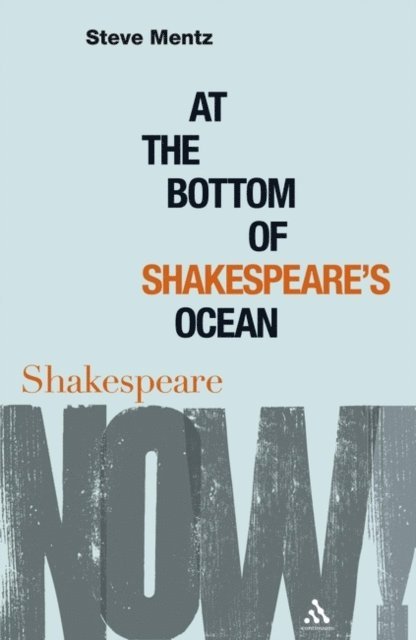
This is a fascinating study revealing Shakespeare's career-long engagement with the sea and his frequent use of maritime imagery. We need a poetic history of the ocean, and Shakespeare can help us find one. There's more real salt in the plays than we first expect. Shakespeare's dramatic ocean spans the God-sea of the ancient world and the immense blue vistas that early modern mariners navigated. Throughout his career, from the opening shipwrecks of "The Comedy of Errors" through "The Tempest", Shakespeare's plays figure the ocean as shocking physical reality and mind-twisting symbol of change and instability. To fathom Shakespeare's ocean - to go down to its bottom - this book's chapters focus on different things that humans do with and in and near the sea: fathoming, keeping watch, swimming, beachcombing, fishing, and drowning. Mentz also sets Shakespeare's sea-poetry against modern literary seascapes, including the vast Pacific of "Moby-Dick", the rocky coast of Charles Olson's "Maximus Poems", and the lyrical waters of the postcolonial "Caribbean". Uncovering the depths of Shakespeare's maritime world, this book draws out the centrality of the sea in our literary culture."Shakespeare Now!" is a series of short books that engage imaginatively and often provocatively with the possibilities of Shakespeare's plays. It goes back to the source - the most living language imaginable - and recaptures the excitement, audacity and surprise of Shakespeare. It will return you to the plays with opened eyes.
Häftad, Engelska, 2009
414 kr
Skickas inom 10-15 vardagar
This is a fascinating study revealing Shakespeare's career-long engagement with the sea and his frequent use of maritime imagery. We need a poetic history of the ocean, and Shakespeare can help us find one. There's more real salt in the plays than we first expect. Shakespeare's dramatic ocean spans the God-sea of the ancient world and the immense blue vistas that early modern mariners navigated. Throughout his career, from the opening shipwrecks of "The Comedy of Errors" through "The Tempest", Shakespeare's plays figure the ocean as shocking physical reality and mind-twisting symbol of change and instability. To fathom Shakespeare's ocean - to go down to its bottom - this book's chapters focus on different things that humans do with and in and near the sea: fathoming, keeping watch, swimming, beachcombing, fishing, and drowning. Mentz also sets Shakespeare's sea-poetry against modern literary seascapes, including the vast Pacific of "Moby-Dick", the rocky coast of Charles Olson's "Maximus Poems", and the lyrical waters of the postcolonial "Caribbean". Uncovering the depths of Shakespeare's maritime world, this book draws out the centrality of the sea in our literary culture."Shakespeare Now!" is a series of short books that engage imaginatively and often provocatively with the possibilities of Shakespeare's plays. It goes back to the source - the most living language imaginable - and recaptures the excitement, audacity and surprise of Shakespeare. It will return you to the plays with opened eyes.
Del 9 - Environmental Humanities in Pre-modern Cultures
Water and Cognition in Early Modern English Literature
Inbunden, Engelska, 2024
2 050 kr
Skickas inom 10-15 vardagar
Water and cognition seem unrelated things, the one a physical environment and the other an intellectual process. The essays in this book show how bringing these two modes together revitalizes our understanding of both. Water and especially oceanic spaces have been central to recent trends in the environmental humanities and premodern ecocriticism. Cognition, including ideas about the “extended mind” and distributed cognition, has also been important in early modern literary and cultural studies over the past few decades. This book aims to think “water” and “cognition” as distinct critical modes and also to combine them in what we term “watery thinking.” Water and Cognition brings together cognitive science and ecocriticism to ask how the environment influences how humans think, and how they think about thinking. The collection explores how water — as element, as environment, and as part of our bodies — affects the way early modern and contemporary discourses understand cognition.