• Fri frakt över 249 kr
  • •
  • Snabba leveranser
  • •
  • Billiga böcker
Kundservice

Du är på sajten för privatpersoner.

Företag, bibliotek eller offentlig verksamhet?

Du handlar på classic.bokus.com, där alla dina funktioner finns intakta.
Till classic.bokus.com
Bokus logotyp. Gå till startsidan.
  • Erbjudanden
  • Student
  • Topplistor
  • Barn & ungdom
  • Bokus Play
  • E-böcker
  • Ljudböcker
  • Pocketböcker
  • Spel och pussel

Pocketfynda! Hundratals böcker för 49 kr/st →

Sidfot

Mina sidor

    Hjälp

    • Kundservice
    • Vanliga frågor och svar
    • Frakt och leverans
    • Retur vid ångerrätt
    • Reklamera vara
    • Betalning
    • Köpvillkor
    • Allmänna villkor
    • Information om webbplatsens tillgänglighet

    Om Bokus

    • Om oss
    • Pressrum
    • För studenter
    • För företag
    • För bibliotek och offentlig verksamhet
    • För leverantörer
    • Hållbarhet

    Populärt

    • Aktuella erbjudanden
    • Presentkort
    • Studentlitteratur
    • Nya böcker
    • Topplistor
    • Signerade böcker
    • Engelska böcker

    Inspiration

    • Boktips
    • BookTok
    • Barnbokskaraktärer
    • Populära författare
    Logotyp för Bokus
    Följ oss på Facebook (extern länk)Följ oss på Instagram (extern länk)Följ oss på YouTube (extern länk)Följ oss på TikTok (extern länk)
    bokus @ CookiesAnpassa cookiesIntegritetspolicyKöpvillkor
    Till Citymail hemsida (extern länk)Till Budbee hemsida (extern länk)Till Postnord hemsida (extern länk)Till Schenker hemsida (extern länk)Till Early Bird hemsida (extern länk)Till Walleys hemsida (extern länk)
    1. Filosofi och religion
    2. Filosofi
    3. Filosofiska discipliner

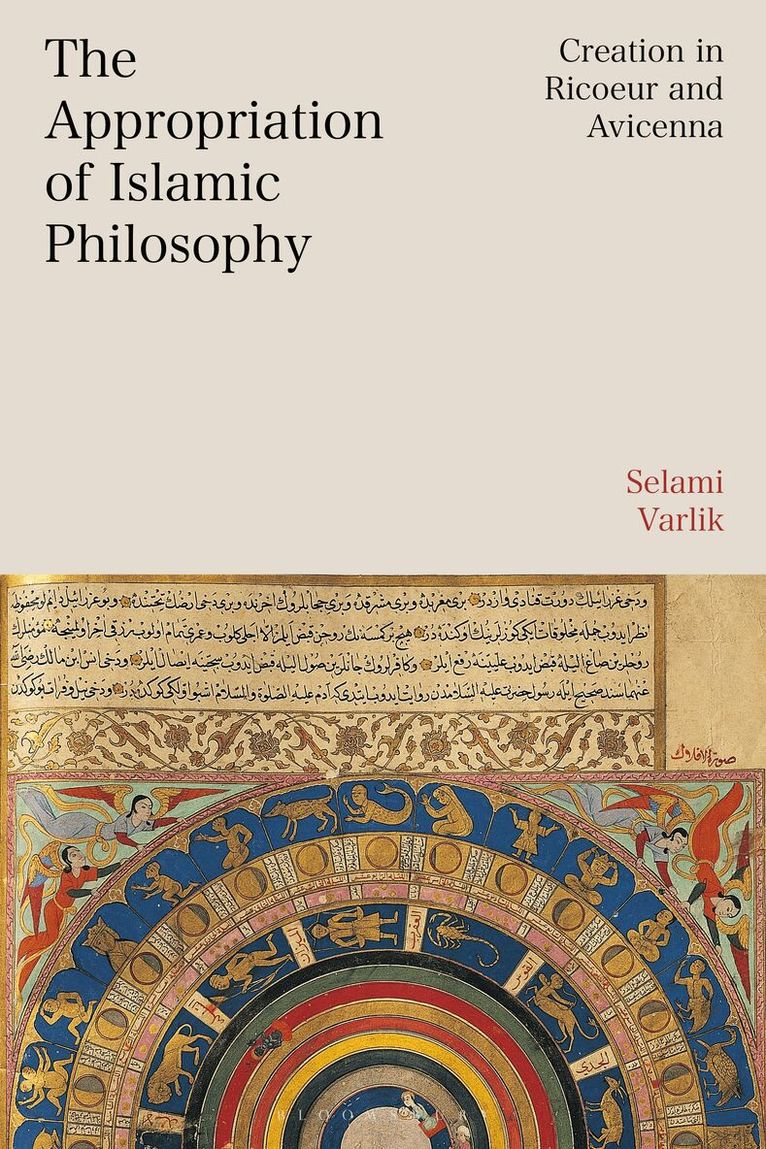
    Appropriation of Islamic Philosophy

    Creation in Ricoeur and Avicenna

    AvSelami Varlik

    Inbunden, Engelska, 2026

    Del i serien Bloomsbury Studies in Continental Philosophy

    1 181 kr

    Beställningsvara. Skickas inom 10-15 vardagar. Fri frakt över 249 kr.

    Fler format och utgåvor

    E-bok

    1 283 kr

    E-bok

    1 283 kr

    Beskrivning

    Phenomenology and philosophical hermeneutics are deepening their dialogue with ancient and medieval metaphysics. Yet Islamic philosophy - typically relegated to a distant past - remains strikingly absent despite its recognized impact on European thought. To counter this absence, The Appropriation of Islamic Philosophy revitalizes the work of Avicenna - the seminal Islamic thinker - for contemporary philosophy, making a case for a Ricoeurian hermeneutics of appropriation. Selami Varlik brings Avicenna into dialogue with Ricoeur through their shared concern with putting belief in tension with rational discourse. The notion of creation, common to both Islam and Christianity, plays a pivotal role in this convergence - particularly through Avicenna’s distinction between ontological creation and temporal creation.By establishing a shared conceptual language between both traditions, this work makes a vital contribution to the development of a living Islamic philosophy, transcending the scope of the two thinkers examined here.

    Produktinformation

    • Utgivningsdatum:2026-02-19
    • Mått:156 x 236 x 20 mm
    • Vikt:520 g
    • Format:Inbunden
    • Språk:Engelska
    • Serie:Bloomsbury Studies in Continental Philosophy
    • Antal sidor:248
    • Förlag:Bloomsbury Publishing PLC
    • ISBN:9781350570511

    Utforska kategorier

    • Filosofiska discipliner inom Filosofi och religion
    • Religion: allmänt inom Filosofi och religion

    Mer om författaren

    Selami Varlik is Associate Professor of Philosophy at Istanbul 29 Mayis University, Türkiye.

    Recensioner i media

    In this deep and fascinating study of the hermeneutic interrelations between medieval Muslim philosophy and modern European philosophy, Varlik pays tribute to Ricoeur’s ability to abandon chronology and culture in an unceasing quest for the polytonal nature of ancient, modern and Eastern thought. Here Varlik sees parallels with Avicenna’s philosophical skill in appropriating Greek wisdom into Islamic thought and the heuristic tensions that arise through such comparisons. Creating a rich resonance between these philosophical and religious traditions, Varlik also sees analogous tensions between, on the one hand, our efforts to derive hermeneutical appropriations across and between philosophies and on the other, our struggles to live with contradictory aspects of human self-hood, proposing that we address the tensions that inevitably arise from both philosophical and individual attempts to appropriate difference and manage the consequent uncertainties. In addition, by exploring the essence/ existence duality inherent in these and many other thinkers’ works, Varlik shows his own philosophical prowess and contributes significantly to the hermeneutical field of modern appropriative thought.

    Innehållsförteckning

    • IntroductionPart I: Necessity and Difficulties of AppropriationA. Need for a Hermeneutical Approach1. The Problem of Appropriation of Islamic Philosophy2. Need for a Hermeneutics of AppropriationB. Difficulties in the Appropriation Process1. The Appropriation Process in Ricoeur2. The Religious ObstaclesPart II: A Double Solution in Form and ContentA. Possibility of a Common Language1. Proximity in Religious Belonging2. Conceptual Distanciation in CommonB. Creation Ex Nihilo as a Shared Notion1. Creation in Ricoeur2. Creation in AvicennaPart III: Appropriation as Innovation and TransformationA. Creation and Semantic Innovation1. Creation and Innovation in Avicenna2. Innovation and Appropriation of AvicennaB. Creation and Transformation of the Subject1. Concomitance of the Cause and Ontological Indigence2. Causality Against the Domination of the SubjectConclusionBibliographyIndex