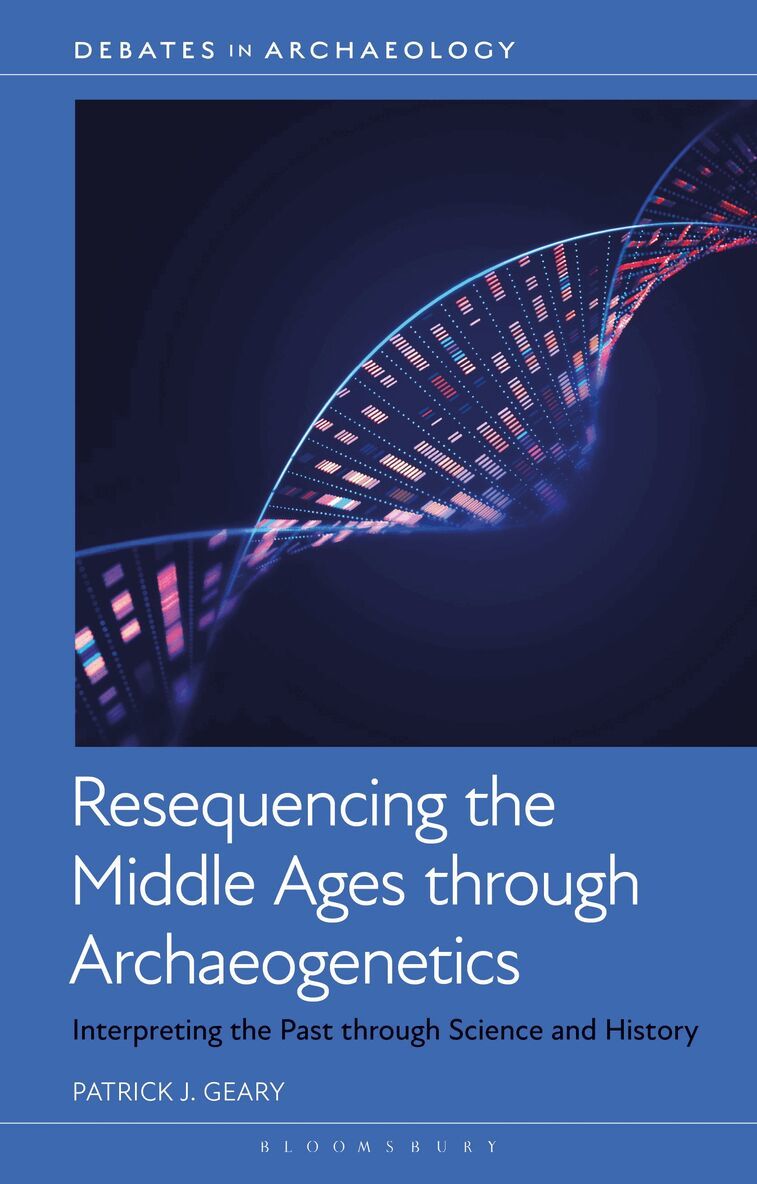
Häftad, Engelska, 2026
Resequencing the Middle Ages through Archaeogenetics
Interpreting the Past through Science and History
Del i serien Debates in Archaeology
366 kr
Beställningsvara. Skickas inom 7-10 vardagar. Fri frakt över 249 kr.
Beskrivning
Produktinformation
- Utgivningsdatum: 2026-10-01
- Mått: 138 x 212 x 10 mm
- Vikt: 250 g
- Format: Häftad
- Språk: Engelska
- Serie: Debates in Archaeology
- Antal sidor: 176
- Förlag: Bloomsbury Publishing PLC
- ISBN: 9781350614611
Utforska kategorier
Mer om författaren
Patrick J. Geary is Professor Emeritus of History at the Institute for Advanced Study and Distinguished Professor Emeritus of History at UCLA, USA. He is the author of fifteen books and many articles and edited volumes.
Recensioner i media
Resequencing the Middle Ages is an excellent and accessible introduction to the use of ancient genomic data for historical research. Suitably critical and reflective about the research process, the book helpfully lifts the lid on how genomic data are actually produced and what they can and cannot tell us, demystifying a field that scholars of various fields have too often approached with either uncritical enthusiasm or blanket suspicion. The book synthesises many of the fine-grained population histories across Europe in the late antique and early medieval periods that have been published in recent years into a coherent narrative, showing just what a contribution genomic data can make. Essential reading for historians and archaeologists working in this period or grappling with what the genomic turn means for their disciplines.
Betyg & recensioner
0 recensioner
Inga recensioner tillgängliga.