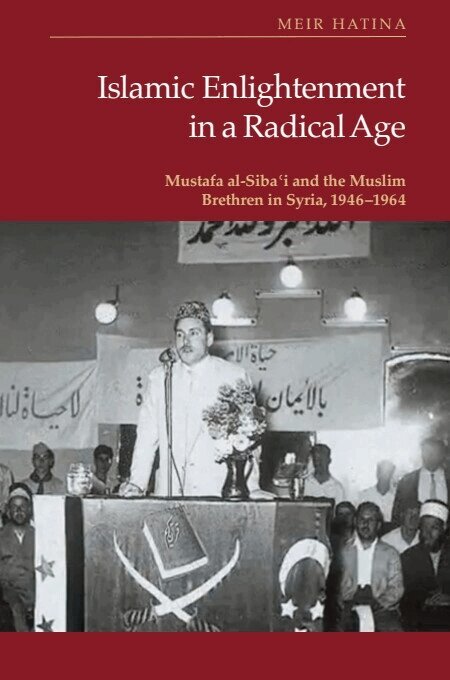
Inbunden, Engelska, 2027
Islamic Enlightenment in a Radical Age
Av Meir Hatina
1168 kr
Kommande
Beskrivning
Offers a critical perspective on early modern Islam, with particular emphasis on the Muslim Brethren in Syria as proponents of an Islamic enlightenment in the decades following the Second World War. It details how the Brethren, under the leadership of Mustafa al-Sibaʿi, sought to revive an Islamic legacy centred on the universal values of liberty and justice, humanism and fraternity, democracy and nationalism.Moreover, the book explores this period in Syrian history as a transitional crossroads: both a continuation of the late-1930s Arab Nahda (Awakening) from the late 1930s and a precursor of the wasatiyya (centrist) school of thought that emerged in the 1980s. Moving beyond an era of ideological radicalisation, this volume highlights the significance of the Syrian Brethren as a bastion of reformist Islam, while underscoring the enduring influence of the ʿulamaʾ (religious scholars) in the Arab-Muslim landscape.
Produktinformation
- Utgivningsdatum: 2027-02-28
- Mått: 156 x 234 x undefined mm
- Format: Inbunden
- Språk: Engelska
- Antal sidor: 320
- Förlag: Edinburgh University Press
- ISBN: 9781399570862
Betyg & recensioner
0 recensioner
Inga recensioner tillgängliga.