E-bok, Engelska, 2012
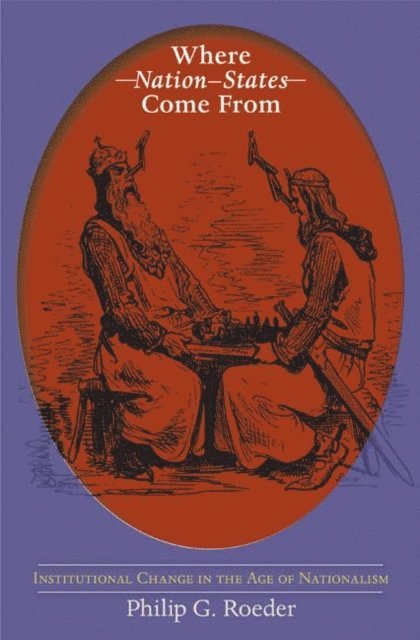
Where Nation-States Come From
785 kr
Läs direkt i Bokus Reader – eller ladda ned till din enhet (PDF kräver ofta zoom och scroll på små skärmar).
Beskrivning
To date, the world can lay claim to little more than 190 sovereign independent entities recognized as nation-states, while by some estimates there may be up to eight hundred more nation-state projects underway and seven to eight thousand potential projects. Why do a few such endeavors come to fruition while most fail? Standard explanations have pointed to national awakenings, nationalist mobilizations, economic efficiency, military prowess, or intervention by the great powers. Where Nation-States Come From provides a compelling alternative account, one that incorporates an in-depth examination of the Russian Empire, the Soviet Union, and their successor states.
Philip Roeder argues that almost all successful nation-state projects have been associated with a particular political institution prior to independence: the segment-state, a jurisdiction defined by both human and territorial boundaries. Independence represents an administrative upgrade of a segment-state. Before independence, segmental institutions shape politics on the periphery of an existing sovereign state. Leaders of segment-states are thus better positioned than other proponents of nation-state endeavors to forge locally hegemonic national identities. Before independence, segmental institutions also shape the politics between the periphery and center of existing states. Leaders of segment-states are hence also more able to challenge the status quo and to induce the leaders of the existing state to concede independence. Roeder clarifies the mechanisms that link such institutions to outcomes, and demonstrates that these relationships have prevailed around the world through most of the age of nationalism.
Produktinformation
- Utgivningsdatum: 2012-01-09
- Språk: Engelska
- Filformat: PDF
- Kopieringsskydd: LCP
- ISBN: 9781400842964
- Förlag: Princeton University Press
Utforska kategorier
Betyg & recensioner
0 recensioner
Inga recensioner tillgängliga.