• Fri frakt över 249 kr
  • •
  • Snabba leveranser
  • •
  • Billiga böcker
Kundservice

Du är på sajten för privatpersoner.

Företag, bibliotek eller offentlig verksamhet?

Du handlar på classic.bokus.com, där alla dina funktioner finns intakta.
Till classic.bokus.com
Bokus logotyp. Gå till startsidan.
  • Erbjudanden
  • Nyheter
  • Student
  • Topplistor
  • Barn & ungdom
  • Bokus Play
  • E-böcker
  • Pocketböcker
  • Spel & pussel

10% rabatt på allt med kod: NYSTART10 →

Sidfot

Mina sidor

    Hjälp

    • Kundservice
    • Vanliga frågor och svar
    • Frakt och leverans
    • Retur vid ångerrätt
    • Reklamera vara
    • Betalning
    • Köpvillkor
    • Allmänna villkor
    • Information om webbplatsens tillgänglighet

    Om Bokus

    • Om oss
    • Pressrum
    • För studenter
    • För företag
    • För bibliotek och offentlig verksamhet
    • För leverantörer
    • Hållbarhet

    Populärt

    • Aktuella erbjudanden
    • Presentkort
    • Studentlitteratur
    • Nya böcker
    • Topplistor
    • Signerade böcker
    • Engelska böcker

    Inspiration

    • Boktips
    • BookTok
    • Populära bokserier
    • Barnbokskaraktärer
    • Populära författare
    Logotyp för Bokus
    Följ oss på Facebook (extern länk)Följ oss på Instagram (extern länk)Följ oss på YouTube (extern länk)Följ oss på TikTok (extern länk)
    bokus @ CookiesAnpassa cookiesIntegritetspolicyKöpvillkor
    Till Citymail hemsida (extern länk)Till Budbee hemsida (extern länk)Till Postnord hemsida (extern länk)Till Schenker hemsida (extern länk)Till Early Bird hemsida (extern länk)Till Walleys hemsida (extern länk)
    1. Kultur
    2. Konstböcker
    3. Konsthistoria

    Sculpting Doughboys

    Memory, Gender, and Taste in America's World War I Memorials

    AvJennifer Wingate

    Inbunden, Engelska, 2013

    2 493 kr

    Beställningsvara. Skickas inom 10-15 vardagar. Fri frakt över 249 kr.

    Fler format och utgåvor

    Häftad

    629 kr

    Beskrivning

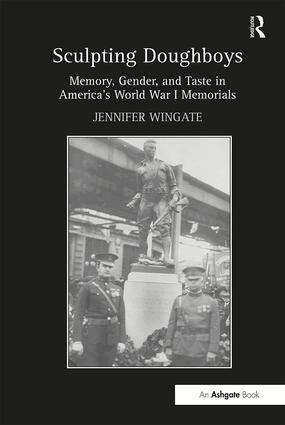
    Redressing the neglect of World War I memorials in art history scholarship and memory studies, Sculpting Doughboys considers the hundreds of sculptures of American soldiers that dominated the nation's sculptural commemorative landscape after World War I. To better understand these 'doughboys', the name given to both members of the American Expeditionary Forces and the memorials erected in their image, this volume also considers their sculptural alternatives, including depictions of motherhood, nude male allegories, and expressions of anti-militarism. It addresses why doughboy sculptures came to occupy such a significant presence in interwar commemoration, even though art critics objected to their unrefined realism, by considering the social upheavals of the Red Scare, America's burgeoning consumer and popular culture, and the ambitions and idiosyncrasies of artists and communities across the country. In doing so, this study also highlights the social and cultural tensions of the period as debates grew over art's changing role in society and as more women and immigrant sculptors vied for a place and a voice in America's public sphere. Finally, Sculpting Doughboys addresses the fate of these memorials nearly a century after they were dedicated and poses questions for reframing our relationship with war memorials today.

    Produktinformation

    • Utgivningsdatum:2013-07-05
    • Mått:156 x 234 x 18 mm
    • Vikt:657 g
    • Format:Inbunden
    • Språk:Engelska
    • Antal sidor:244
    • Förlag:Taylor & Francis Ltd
    • ISBN:9781409406556

    Utforska kategorier

    • Konsthistoria inom Kultur
    • Skulptur inom Kultur
    • Socialhistoria och kulturhistoria inom Historia och arkeologi

    Mer om författaren

    Jennifer Wingate is Assistant Professor of Fine Arts at St. Francis College, USA.

    Recensioner i media

    'Wingate's wide-ranging examination of World War I memorials reveals the unseen bureaucratic negotiation over style and content while simultaneously articulating how commemorative public art held contestable meanings for sculptors and viewers during the interwar years.'- CAA Reviews 'As World War 1, the “Great War,” as it was once called, reaches the centennial mark for America’s involvement, Jennifer Wingate offers a deeply contextual look at how the United States chose to remember its war dead, often with sculpture, and what became of that work over the last eighty or more years—what monuments are still cared for and something of why they might still be with us today. The introduction does not shy away from the issues of race; a resurgent romantic nationalism in the 1920s; the ideal of the male warrior as northern European, coincident with the increase in immigration; and the fear of international communism.'- H-War'...consistently insightful and extremely well written - Jennifer Wingate's Sculpting Doughboys reminds us that war commemoration, in any form, is always political. This fine book will inspire its readers to pay more attention to public memorials that all too often hide in plain sight and to seek out the history, invariably filled with conflict and controversy, behind their creation.' - Journal of Military History 'Sculpting Doughboys is part of a much larger body of scholarship on war monuments and memorialization - Wingate's volume adds to this impressive body of scholarship...' - Panorama 'In laying groundwork for future study of this little-understood moment in American sculptural history, Wingate's Sculpting Doughboys will interest scholars of public monuments and popular culture investigating the ways in which objects of high and low art shape collective memory. As we approach the centennial of America's entrance into World War I and contemplate new memorials to the nation's armed forces, it is important to con-sider whether these memorial sites have retained or lost their potency as sites of commemoration.' - Winterthur Portfolio

    Innehållsförteckning

    • Contents: Introduction; Fighting and vigilant doughboys; Art critics mobilize; Challenging the prevailing triumphant ideal; In pursuit of 'art' and anti-militarism: forfeiting the doughboy; Conclusion: living histories; Bibliography; Index.