• Fri frakt över 249 kr
  • •
  • Snabba leveranser
  • •
  • Billiga böcker
Kundservice

Du är på sajten för privatpersoner.

Företag, bibliotek eller offentlig verksamhet?

Du handlar på classic.bokus.com, där alla dina funktioner finns intakta.
Till classic.bokus.com
Bokus logotyp. Gå till startsidan.
  • Erbjudanden
  • Nyheter
  • Student
  • Topplistor
  • Barn & ungdom
  • Bokus Play
  • E-böcker
  • Pocketböcker
  • Spel & pussel

10% studentrabatt med kod TERM26

Sidfot

Mina sidor

    Hjälp

    • Kundservice
    • Vanliga frågor och svar
    • Frakt och leverans
    • Retur vid ångerrätt
    • Reklamera vara
    • Betalning
    • Köpvillkor
    • Allmänna villkor
    • Information om webbplatsens tillgänglighet

    Om Bokus

    • Om oss
    • Pressrum
    • För studenter
    • För företag
    • För bibliotek och offentlig verksamhet
    • För leverantörer
    • Hållbarhet

    Populärt

    • Aktuella erbjudanden
    • Presentkort
    • Studentlitteratur
    • Nya böcker
    • Topplistor
    • Signerade böcker
    • Engelska böcker

    Inspiration

    • Boktips
    • BookTok
    • Populära bokserier
    • Barnbokskaraktärer
    • Populära författare
    Logotyp för Bokus
    Följ oss på Facebook (extern länk)Följ oss på Instagram (extern länk)Följ oss på YouTube (extern länk)Följ oss på TikTok (extern länk)
    bokus @ CookiesAnpassa cookiesIntegritetspolicyKöpvillkor
    Till Citymail hemsida (extern länk)Till Budbee hemsida (extern länk)Till Postnord hemsida (extern länk)Till Schenker hemsida (extern länk)Till Early Bird hemsida (extern länk)Till Walleys hemsida (extern länk)
    1. Samhälle och politik
    2. Samhälle och kultur
    3. Kultur och medier
    4. Kulturvetenskap

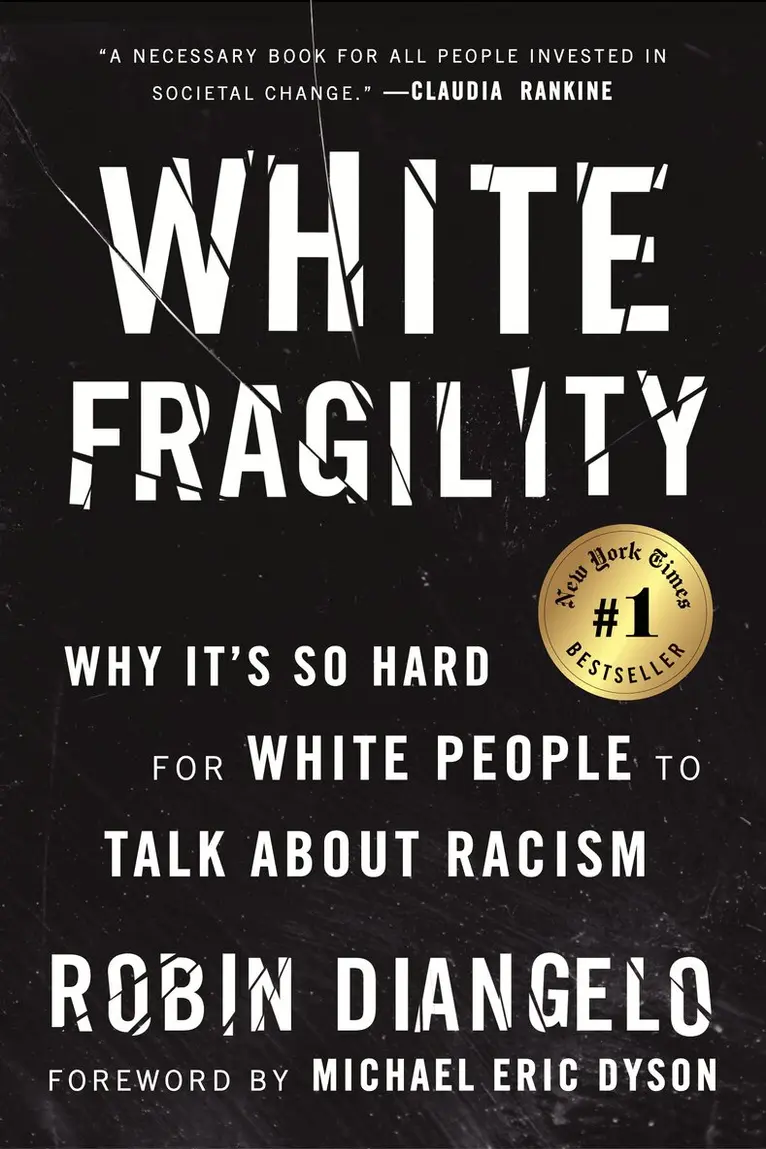
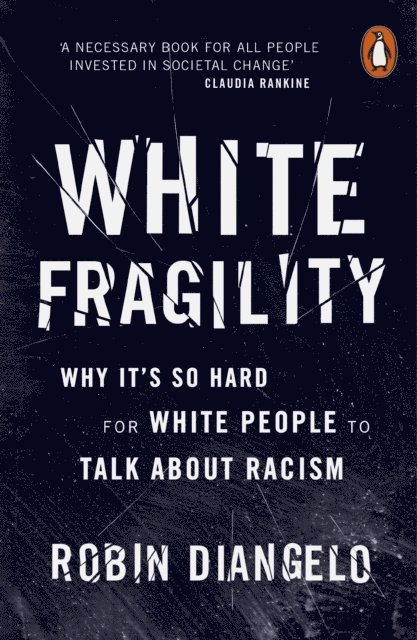
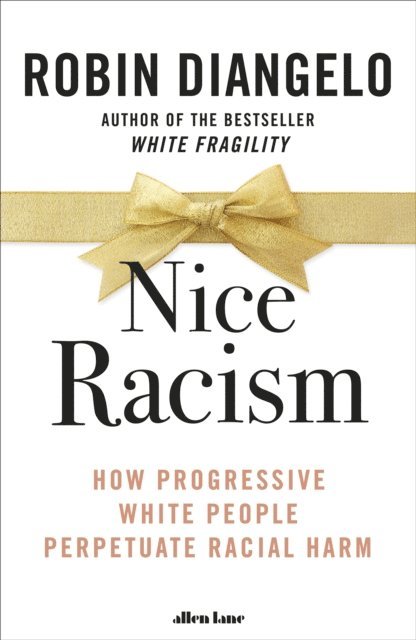
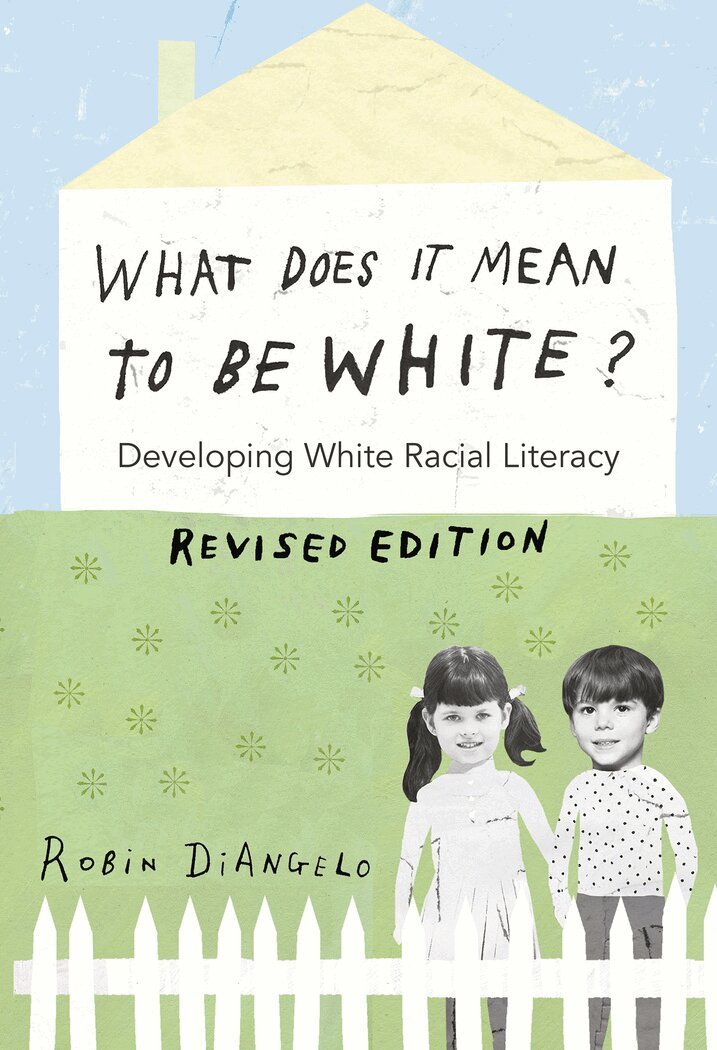
    What Does It Mean to Be White?

    Developing White Racial Literacy

    AvRobin DiAngelo

    Häftad, Engelska, 2012

    Del 398 i serien Counterpoints

    345 kr

    Skickas . Fri frakt över 249 kr.

    Fler format och utgåvor

    Häftad

    429 kr

    Inbunden

    1 899 kr

    Häftad

    288 kr

    Beskrivning

    What does it mean to be white in a society that proclaims race meaningless yet is deeply divided by race? In the face of pervasive racial inequality and segregation, most whites cannot answer that question. Robin DiAngelo argues that a number of factors make this question difficult for whites miseducation about what racism is; ideologies such as individualism and colorblindness; defensiveness; and a need to protect (rather than expand) our worldviews. These factors contribute to what she terms white racial illiteracy. Speaking as a white person to other white people, Dr. DiAngelo clearly and compellingly takes readers through an analysis of white socialization. She describes how race shapes the lives of white people, explains what makes racism so hard for whites to see, identifies common white racial patterns, and speaks back to popular white narratives that work to deny racism. Written as an accessible introduction to white identity from an anti-racist framework, What Does It Mean To Be White? is an invaluable resource for members of diversity and anti-racism programs and study groups and students of sociology, psychology, education, and other disciplines.

    Produktinformation

    • Utgivningsdatum:2012-05-30
    • Mått:150 x 225 x 22 mm
    • Vikt:490 g
    • Format:Häftad
    • Språk:Engelska
    • Serie:Counterpoints
    • Antal sidor:318
    • Förlag:Peter Lang Publishing Inc
    • ISBN:9781433111150

    Utforska kategorier

    • Kulturvetenskap inom Samhälle och politik
    • Genusvetenskap inom Samhälle och politik
    • Litteraturvetenskap inom Skönlitteratur

    Mer om författaren

    Robin DiAngelo is a faculty member in the Department of Education at Westfield State University in Massachusetts. Her research is in whiteness studies and discourse analysis. She is concerned with the challenges of an increasingly white teaching force and an increasingly diverse student population. Her articles have appeared in the Journal of Understanding and Dismantling Privilege, International Journal of Critical Pedagogy, and Equity & Excellence in Education. She has twice been honored with the Student's Choice Award for Educator of the Year. She has provided diversity and anti-racism training for a wide range of organizations, including the City of Seattle.

    Recensioner i media

    «Rarely will one find an analysis of whiteness (and the problems associated with it) that is as comprehensive as this one. From incisive and wide-ranging critiques of how white folks deflect, deny, and evade the topic of racism, and the implications of our own racial identity and position, to an absolutely on-point interrogation of how racism and whiteness influence white teachers-in-training, and thus, the larger educational process, Robin DiAngelo demonstrates the kind of clarity of thought so needed on this important subject.» (Tim Wise, Author of ‘White Like Me: Reflections on Race from a Privileged Son’ and ‘ Dear White America: Letter to a New Minority’)«This book goes well beyond Diversity Training 101. It is filled with comprehensive knowledge and useful tools for understanding racism and white people’s role in it. An invaluable resource for every educator, student, practitioner, and concerned citizen; you will be better prepared to address all forms of oppression after reading this book.» (Eddie Moore, Founder of The White Privilege Conference)«With directness, sensitivity, and clarity, Robin DiAngelo leads the reader through a series of challenging and revelatory discussions that have profound implications for teaching and learning in today's classrooms. Her question, ‘What does it mean to be white?’, underscores the pressing need for honest dialogue, particularly among white educators, about this tremendously important topic. I hope every teacher has the opportunity to read this book. Both they, and the students they teach, will be the better for it.» (Sonia Nieto, Professor Emerita, Language, Literacy, and Culture, School of Education, University of Massachusetts and Author of‘The Light in Their Eyes: Creating Multicultural Learning Communities’)