• Fri frakt över 249 kr
  • •
  • Snabba leveranser
  • •
  • Billiga böcker
Kundservice

Du är på sajten för privatpersoner.

Företag, bibliotek eller offentlig verksamhet?

Du handlar på classic.bokus.com, där alla dina funktioner finns intakta.
Till classic.bokus.com
Bokus logotyp. Gå till startsidan.
  • Erbjudanden
  • Nyheter
  • Student
  • Topplistor
  • Barn & ungdom
  • Bokus Play
  • E-böcker
  • Pocketböcker
  • Spel & pussel

10% rabatt på allt med kod: NYSTART10 →

Sidfot

Mina sidor

    Hjälp

    • Kundservice
    • Vanliga frågor och svar
    • Frakt och leverans
    • Retur vid ångerrätt
    • Reklamera vara
    • Betalning
    • Köpvillkor
    • Allmänna villkor
    • Information om webbplatsens tillgänglighet

    Om Bokus

    • Om oss
    • Pressrum
    • För studenter
    • För företag
    • För bibliotek och offentlig verksamhet
    • För leverantörer
    • Hållbarhet

    Populärt

    • Aktuella erbjudanden
    • Presentkort
    • Studentlitteratur
    • Nya böcker
    • Topplistor
    • Signerade böcker
    • Engelska böcker

    Inspiration

    • Boktips
    • BookTok
    • Populära bokserier
    • Barnbokskaraktärer
    • Populära författare
    Logotyp för Bokus
    Följ oss på Facebook (extern länk)Följ oss på Instagram (extern länk)Följ oss på YouTube (extern länk)Följ oss på TikTok (extern länk)
    bokus @ CookiesAnpassa cookiesIntegritetspolicyKöpvillkor
    Till Citymail hemsida (extern länk)Till Budbee hemsida (extern länk)Till Postnord hemsida (extern länk)Till Schenker hemsida (extern länk)Till Early Bird hemsida (extern länk)Till Walleys hemsida (extern länk)
    1. Naturvetenskap och teknik
    2. Teknik och industri
    3. Agronomi och lantbruk

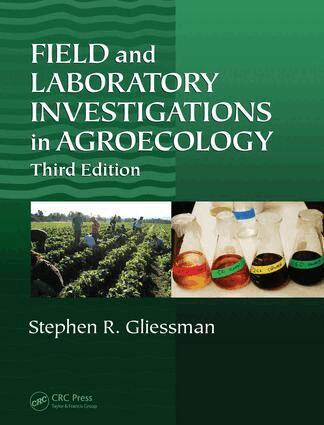
    Field and Laboratory Investigations in Agroecology

    AvStephen R. Gliessman

    Häftad, Engelska, 2014

    596 kr

    Beställningsvara. Skickas inom 10-15 vardagar. Fri frakt över 249 kr.

    Fler format och utgåvor

    E-bok

    706 kr

    E-bok

    682 kr

    Beskrivning

    Agroecology is defined as the application of ecological concepts and principles to the design and management of sustainable food systems. Hence, learning can best be achieved through an experiential approach to the topic. Designed to accompany Agroecology: The Ecology of Sustainable Food Systems, Third Edition, Field and Laboratory Investigations in Agroecology, Third Edition features 24 investigations divided into five sections that parallel the main text: Studies of Environmental Factors: These investigations deal with how an individual plant responds to the environment, how environmental factors in specific agroecosystems are measured and characterized, and how particular environmental factors affect individual plants.Studies of Population Dynamics in Crop Systems: This section studies how populations of organisms act in agroecosystems. It focuses on what populations are present, how they change over time and respond to the environment, and how individuals within a population may interact.Studies of Interspecific Interactions in Cropping Communities: This section emphasizes the between-species interactions of the organisms that make up crop communities. These interactions include herbivory, allelopathy, and mutualisms.Studies of Farm and Field Systems: These investigations cover system-level agroecology and whole farms or systems within farm boundaries. They touch on the complexity with which the farmer deals in managing agroecosystems.Food System Studies: These investigations reach out beyond the individual farm to examine components of the food system at a local level, which impact all of the levels of analysis in the first four parts.This manual facilitates hands-on learning that involves close observation, creative interpretation, and constant questioning of findings. The investigations emphasize the importance of careful data interpretation and presentation and the value of a clear, concise, and well-written research report. The book uses simple statistical analysis for data management and interpretation and students are guided through the steps of data analysis in the context of the particular investigations in which it is employed.

    Produktinformation

    • Utgivningsdatum:2014-12-19
    • Mått:210 x 280 x 21 mm
    • Vikt:470 g
    • Format:Häftad
    • Språk:Engelska
    • Antal sidor:256
    • Upplaga:3
    • Förlag:Taylor & Francis Inc
    • ISBN:9781439895719

    Utforska kategorier

    • Agronomi och lantbruk inom Naturvetenskap och teknik
    • Biovetenskap inom Naturvetenskap och teknik

    Mer om författaren

    Stephen R. Gliessman is an agroecologist who integrates science, practice, and social activism. He helped establish agroecology in Mexico in the 1970’s and founded the first academic program in agroecology in the world at UCSC in 1982, where he is now Emeritus Professor of Agroecology. He co-founded the non-profit Community Agroecology Network (CAN). Professor Gliessman has published extensively on agroecology and the transformation of food systems to sustainability, including his textbook Agroecology: Ecology of Sustainable Food Systems. He teaches agroecology seminars and courses around the world and dry-farms sustainable wine grapes and olives with his family at their farm in California.

    Recensioner i media

    "This excellent book accompanies Stephen Gliessman's Agroecology textbook. Its purpose is to give students opportunities to gain direct experience with the concepts that make up agroecology, its application, and its principles of design and management. ... This is a valuable manual, and vital for all concerned with learning and teaching in agricultural courses. It deserves to be widely used."—Jules Pretty OBE, Experimental Agriculture

    Innehållsförteckning

    • Studies of Environmental Factors. Effect of Microclimate on Seed. Light Transmission and the Vegetative Canopy. Soil Temperature. Soil Moisture Content. Soil Properties Analysis. Canopy Litterfall Analysis. Mulch System Comparison. Root System Response to Soil Type. Studies of Population Dynamics in Crop Systems. Intraspecific Interactions in a Crop Population. Management History and the Weed Seedbank. Comparison of Arthropod Populations. Census of Soil-Surface Fauna. Studies of Interspecific Interactions in Cropping Communities. Bioassay for Allelopathic Potential. Rhizobium Nodulation in Legumes. Effects of Agroecosystem Diversity on Herbivore Activity. Herbivore Feeding Preferences. Effects of a Weedy Border on Insect Populations. Studies of Farm and Field Systems. Mapping Agroecosystem Biodiversity. Overyielding in an Intercrop System. Grazing Intensity and Net Primary Productivity. Effects of Trees in an Agroecosystem. Food System Studies. On-Farm Energy Use. Farmer Interview. Local Food Market Analysis. Instructor’s Appendix. Appendix A: Planning the Field and Laboratory Course. General Appendices. Appendix B: Measurement Equivalents. Appendix C: Material and Equipment Suppliers.