• Fri frakt över 249 kr
  • •
  • Snabba leveranser
  • •
  • Billiga böcker
Kundservice

Du är på sajten för privatpersoner.

Företag, bibliotek eller offentlig verksamhet?

Du handlar på classic.bokus.com, där alla dina funktioner finns intakta.
Till classic.bokus.com
Bokus logotyp. Gå till startsidan.
  • Erbjudanden
  • Nyheter
  • Student
  • Topplistor
  • Barn & ungdom
  • Bokus Play
  • E-böcker
  • Pocketböcker
  • Spel & pussel

10% rabatt på allt med kod: NYSTART10 →

Sidfot

Mina sidor

    Hjälp

    • Kundservice
    • Vanliga frågor och svar
    • Frakt och leverans
    • Retur vid ångerrätt
    • Reklamera vara
    • Betalning
    • Köpvillkor
    • Allmänna villkor
    • Information om webbplatsens tillgänglighet

    Om Bokus

    • Om oss
    • Pressrum
    • För studenter
    • För företag
    • För bibliotek och offentlig verksamhet
    • För leverantörer
    • Hållbarhet

    Populärt

    • Aktuella erbjudanden
    • Presentkort
    • Studentlitteratur
    • Nya böcker
    • Topplistor
    • Signerade böcker
    • Engelska böcker

    Inspiration

    • Boktips
    • BookTok
    • Populära bokserier
    • Barnbokskaraktärer
    • Populära författare
    Logotyp för Bokus
    Följ oss på Facebook (extern länk)Följ oss på Instagram (extern länk)Följ oss på YouTube (extern länk)Följ oss på TikTok (extern länk)
    bokus @ CookiesAnpassa cookiesIntegritetspolicyKöpvillkor
    Till Citymail hemsida (extern länk)Till Budbee hemsida (extern länk)Till Postnord hemsida (extern länk)Till Schenker hemsida (extern länk)Till Early Bird hemsida (extern länk)Till Walleys hemsida (extern länk)
    1. Psykologi och pedagogik
    2. Psykologi
    3. Biologisk psykologi och neuropsykologi

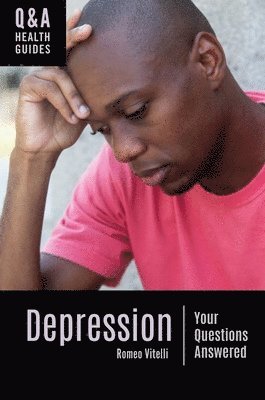
    Depression

    Your Questions Answered

    AvRomeo Vitelli

    Inbunden, Engelska, 2019

    Del i serien Q&A Health Guides

    507 kr

    Beställningsvara. Skickas inom 10-15 vardagar. Fri frakt över 249 kr.

    Fler format och utgåvor

    E-bok

    544 kr

    E-bok

    544 kr

    Beskrivning

    Introduces the topic of depression, especially as it relates to teens and young adults. The information, guidance, and resources offered are valuable tools for anyone personally grappling with depression or who has a friend or family member who is.How is depression different from sadness, and why are some individuals more predisposed to depression than others? What happens in the brain when we're depressed? What medications and options for therapy are available, and what side effects can antidepressants have? How can you help a friend or loved one experiencing depression? Depression: Your Questions Answered, a part of Greenwood's Q&A Health Guides series, provides clear, concise answers to these and many other questions young readers may have regarding this difficult and often misunderstood topic. Each book in this series follows a reader-friendly question-and-answer format that anticipates readers' needs and concerns. Prevalent myths and misconceptions are identified and dispelled, and a collection of case studies illustrates key concepts and issues through relatable stories and insightful recommendations. The book also includes a section on health literacy, equipping teens and young adults with practical tools and strategies for finding, evaluating, and using credible sources of health information both on and off the internet—important skills that contribute to a lifetime of healthy decision-making.

    Produktinformation

    • Utgivningsdatum:2019-06-24
    • Mått:156 x 235 x 13 mm
    • Vikt:454 g
    • Format:Inbunden
    • Språk:Engelska
    • Serie:Q&A Health Guides
    • Antal sidor:160
    • Förlag:Bloomsbury Publishing Plc
    • ISBN:9781440866005

    Utforska kategorier

    • Biologisk psykologi och neuropsykologi inom Psykologi och pedagogik
    • Psykisk ohälsa inom Hälsa och familj
    • Psykoterapi som behandlingsmetod inom Medicin

    Mer om författaren

    Romeo Vitelli received his doctorate in psychology from York University in Toronto, Ontario, in 1987 and has been in private practice since 2003.

    Innehållsförteckning

    • Series ForewordAcknowledgmentsIntroductionGuide to Health LiteracyCommon Misconceptions about DepressionQuestions and AnswersGeneral Information1. What is depression?2. Are there different types of depression?3. What is the difference between being depressed and being unhappy?4. How widespread is depression?5. Who is most likely to develop depression?6. How does depression change across the life span?7. What are some of the most common signs that someone is depressed?8. Are there other medical conditions that can mimic depression?9. What is learned helplessness?10. How far back in history does depression go?11. Why do so many people with depression try to hide their symptoms?12. Is there a depression epidemic?Causes and Risk Factors13. Why do individuals become depressed?14. Is depression linked to trauma?15. Why is depression so common in young people?16. What causes postpartum depression?17. What causes seasonal affective disorder?18. Is depression caused by a brain disorder?19. Is depression genetic?20. Can bullying lead to depression?21. How is grief related to depression?22. Is depression linked to early childhood problems?23. Is chronic pain linked to depression?24. Why is depression so common in the military?25. Are sexual minorities more vulnerable to depression?Consequences of Depression26. Can depression lead to drug or alcohol abuse?27. Why are depression and anxiety often seen together?28. How does depression affect families?29. What are the real costs of depression to society?30. Are people with depression at risk for suicide?Culture, Media, and Depression31. How do different cultures view depression?32. How are goth and emo subcultures linked to depression?33. Can social media make depression worse?34. Why is there such stigma surrounding depression?Treatment, Prevention, and Life after Depression35. How can people with depression find help?36. What are some of the most common forms of treatment for children and adults dealing with depression?37. What is a treatment plan?38. How do antidepressant medications work?39. Are there risks associated with taking antidepressant medication?40. What are some of the alternatives to drug treatment?41. Do herbal and dietary remedies work in treating depression?42. What is cognitive behavioral therapy?43. What is mindfulness therapy?44. What is interpersonal psychotherapy?45. Who should receive group therapy?46. What can parents do to help children who are depressed?47. Can online support groups help with depression?48. Does the risk of depression ever go away?49. How effective are awareness campaigns in helping people who are depressed?50. Can people who have been depressed learn to move on with their lives?Case StudiesGlossaryDirectory of ResourcesIndex