• Fri frakt över 249 kr
  • •
  • Snabba leveranser
  • •
  • Billiga böcker
Kundservice

Du är på sajten för privatpersoner.

Företag, bibliotek eller offentlig verksamhet?

Du handlar på classic.bokus.com, där alla dina funktioner finns intakta.
Till classic.bokus.com
Bokus logotyp. Gå till startsidan.
  • Erbjudanden
  • Nyheter
  • Student
  • Topplistor
  • Barn & ungdom
  • Bokus Play
  • E-böcker
  • Pocketböcker
  • Spel & pussel

10% rabatt på allt med kod NYSTART10 →

Sidfot

Mina sidor

    Hjälp

    • Kundservice
    • Vanliga frågor och svar
    • Frakt och leverans
    • Retur vid ångerrätt
    • Reklamera vara
    • Betalning
    • Köpvillkor
    • Allmänna villkor
    • Information om webbplatsens tillgänglighet

    Om Bokus

    • Om oss
    • Pressrum
    • För studenter
    • För företag
    • För bibliotek och offentlig verksamhet
    • För leverantörer
    • Hållbarhet

    Populärt

    • Aktuella erbjudanden
    • Presentkort
    • Studentlitteratur
    • Nya böcker
    • Topplistor
    • Signerade böcker
    • Engelska böcker

    Inspiration

    • Boktips
    • BookTok
    • Populära bokserier
    • Barnbokskaraktärer
    • Populära författare
    Logotyp för Bokus
    Följ oss på Facebook (extern länk)Följ oss på Instagram (extern länk)Följ oss på YouTube (extern länk)Följ oss på TikTok (extern länk)
    bokus @ CookiesAnpassa cookiesIntegritetspolicyKöpvillkor
    Till Citymail hemsida (extern länk)Till Budbee hemsida (extern länk)Till Postnord hemsida (extern länk)Till Schenker hemsida (extern länk)Till Early Bird hemsida (extern länk)Till Walleys hemsida (extern länk)
    1. Samhälle och politik
    2. Samhälle och kultur
    3. Kultur och medier
    4. Kulturvetenskap

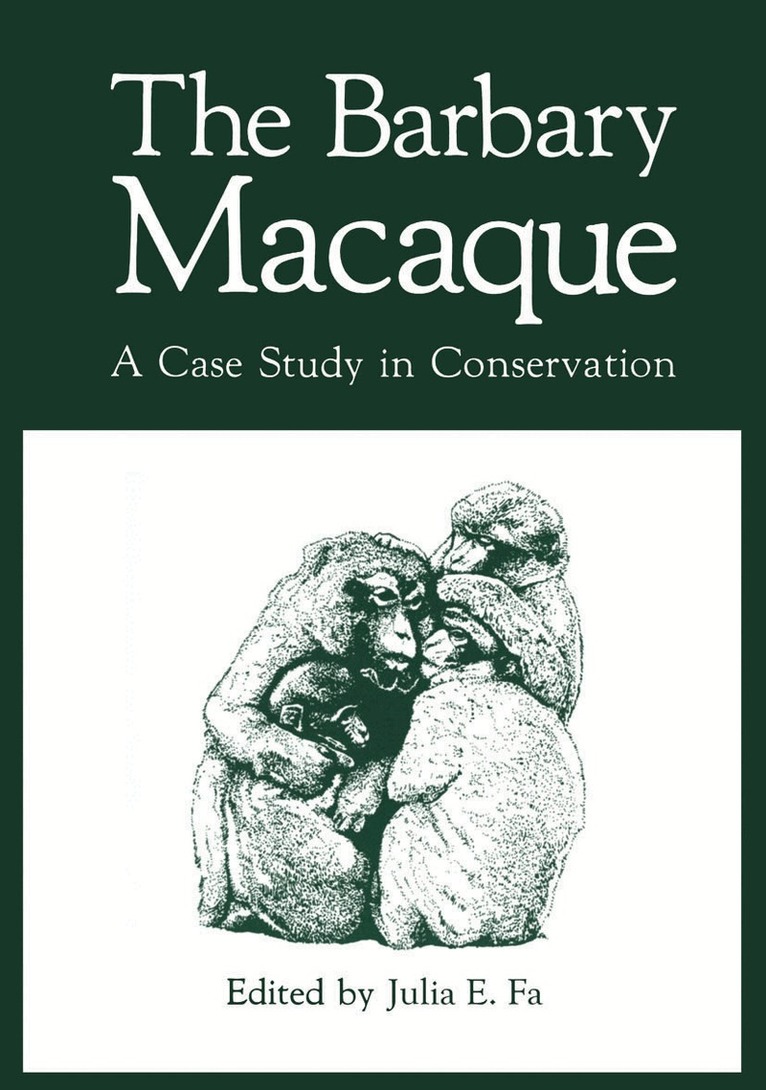
    Barbary Macaque

    A Case Study in Conservation

    AvJulia E. Fa

    Häftad, Engelska, 2011

    1 085 kr

    Beställningsvara. Skickas inom 10-15 vardagar. Fri frakt över 249 kr.

    Fler format och utgåvor

    Inbunden

    1 085 kr

    E-bok

    1 413 kr

    Beskrivning

    The Barbary macaque (all too often mistakenly called an ape) was first brought to the attention of the Conservation Working Party of the Primate Society of Great Britain late 1979 when John Fa reported that 'surplus' animals were being sent from Gibraltar to dubious locations, such as an Italian safari park. Since there had been no scientific input into the Army's management of the monkey colony on Gibraltar, and there was concern about inbreeding, nutrition and health - about the long-term viability of the colony, it was felt that the Society could help. The Gibraltar Scientific Authority and the Army were very receptive to our offer and ideas, and this topic occupied successive chairmen over the last few years - Robin Dunbar and Richard Wrangham, myself and now Miranda Stevenson - with constant prompting and help from John Fa. Considerations soon extended to the status of the species as a whole, so that there have been three main aspects:- (1) the improved health of a larger self-sustaining population on Gibraltar, (2) the status and behavioural biology of natural populations in North Africa (Morocco and Algeria), and (3) the breeding achievements in European parks and zoos, and their potential for reintroduction to suitable areas in North Africa, along with other possibilities. Robin Dunbar organized the compilation of recommendations for managing the Gibraltar colony with regard to numbers, age-sex struc­ ture and behavioural relationships, with some observations on diet to avoid obesity and infertility.

    Produktinformation

    • Utgivningsdatum:2011-10-02
    • Mått:178 x 254 x 22 mm
    • Vikt:735 g
    • Format:Häftad
    • Språk:Engelska
    • Antal sidor:369
    • Förlag:Springer-Verlag New York Inc.
    • ISBN:9781461297185

    Utforska kategorier

    • Kulturvetenskap inom Samhälle och politik
    • Samhälle och kultur inom Samhälle och politik
    • Miljövetenskap och miljöpolitik inom Naturvetenskap och teknik

    Innehållsförteckning

    • General Introduction.- 1. The Barbary Macaque.- I: The Barbary Macaque in the Wild.- 2. The Demise of Barbary Macaque Habitat — Past arid Present Forest Cover of the Maghreb.- 3. A Brief Historical Account of the Recent Decline in Geographic Distribution of the Barbary Macaque in North Africa.- 4. The Distribution and Current Status of the Barbary Macaque in North Africa.- 5. Demography of the Barbary Macaque at Ain Kahla in the Moroccan Moyen Atlas.- 6. The Feeding Ecology of the Barbary Macaque and Cedar Forest Conservation in the Moroccan Moyen Atlas.- 7. Aspects of the Ecology and Conservation of the Barbary Macaque in the Fir Forest Habitat of the Moroccan Rif Mountains.- II: The Barbary Macaque in Captive and Semi-Natural Environments.- 8. The Sense and Direction of Captive Breeding Programmes — The Position of the Barbary Macaque.- 9. A Comparison of Proximity Behavior in Two Groups of Barbary Macaques — Implications for the Management of the Species in Captivity.- 10. BreedingBarbary Macaques in Outdoor Open Enclosures.- 11. Structure and Dynamics of the Barbary Macaque Population in Gibraltar.- 12. The Genetic Implications of Effective Population Size for the Barbary Macaque in Gibraltar.- Conclusions and Recommendations.- 13. Conclusions and Recommendations.- Appendix I: Definition of Age-Sex Classes for the Barbary Macaque.- Appendix II: Diet of the Barbary Macaque in the Wild.- Appendix III: Variant Spelling of Place Names Mentioned in the Text.- Contributors.