• Fri frakt över 249 kr
  • •
  • Snabba leveranser
  • •
  • Billiga böcker
Kundservice

Du är på sajten för privatpersoner.

Företag, bibliotek eller offentlig verksamhet?

Du handlar på classic.bokus.com, där alla dina funktioner finns intakta.
Till classic.bokus.com
Bokus logotyp. Gå till startsidan.
  • Erbjudanden
  • Nyheter
  • Student
  • Topplistor
  • Barn & ungdom
  • Bokus Play
  • E-böcker
  • Pocketböcker
  • Spel & pussel

10% rabatt på allt med kod: NYSTART10 →

Sidfot

Mina sidor

    Hjälp

    • Kundservice
    • Vanliga frågor och svar
    • Frakt och leverans
    • Retur vid ångerrätt
    • Reklamera vara
    • Betalning
    • Köpvillkor
    • Allmänna villkor
    • Information om webbplatsens tillgänglighet

    Om Bokus

    • Om oss
    • Pressrum
    • För studenter
    • För företag
    • För bibliotek och offentlig verksamhet
    • För leverantörer
    • Hållbarhet

    Populärt

    • Aktuella erbjudanden
    • Presentkort
    • Studentlitteratur
    • Nya böcker
    • Topplistor
    • Signerade böcker
    • Engelska böcker

    Inspiration

    • Boktips
    • BookTok
    • Populära bokserier
    • Barnbokskaraktärer
    • Populära författare
    Logotyp för Bokus
    Följ oss på Facebook (extern länk)Följ oss på Instagram (extern länk)Följ oss på YouTube (extern länk)Följ oss på TikTok (extern länk)
    bokus @ CookiesAnpassa cookiesIntegritetspolicyKöpvillkor
    Till Citymail hemsida (extern länk)Till Budbee hemsida (extern länk)Till Postnord hemsida (extern länk)Till Schenker hemsida (extern länk)Till Early Bird hemsida (extern länk)Till Walleys hemsida (extern länk)
    1. Historia och arkeologi
    2. Historia
    3. Militärhistoria
    4. Andra världskriget

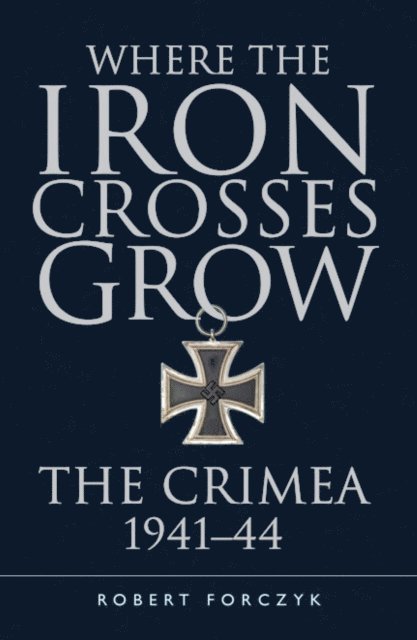
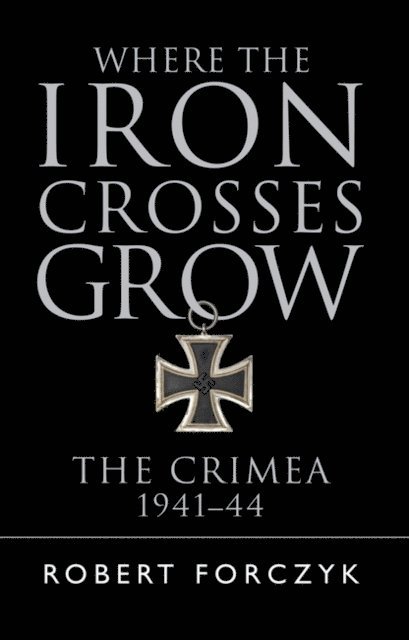
    Where the Iron Crosses Grow

    The Crimea 1941–44

    AvRobert Forczyk

    Häftad, Engelska, 2016

    172 kr

    Skickas . Fri frakt över 249 kr.

    Fler format och utgåvor

    E-bok

    159 kr

    E-bok

    159 kr

    Beskrivning

    The Crimean Peninsula was the setting for the destruction of a number of armies in World War II, both Soviet and German.When the Soviets fortified Sevastopol in 1941 it heralded the beginning of a period of intense fighting over the Crimea. In this remarkable work, acclaimed author Robert Forcyzk assembles new research to investigate the intense and barbaric fighting for the region in World War II, where first Soviet and then German armies were surrounded and totally obliterated.Forcyzk’s unique account provides a definitive analysis of the many unique characteristics of the conflict, exploring the historical context as it uncovers one of the most pivotal theaters of the Eastern Front during World War II.

    Produktinformation

    • Utgivningsdatum:2016-09-22
    • Mått:130 x 196 x 30 mm
    • Vikt:454 g
    • Format:Häftad
    • Språk:Engelska
    • Antal sidor:432
    • Förlag:Bloomsbury Publishing PLC
    • ISBN:9781472816788

    Utforska kategorier

    • Andra världskriget inom Historia och arkeologi
    • Modern militärhistoria inom Historia och arkeologi
    • Militära operationer inom Samhälle och politik

    Mer om författaren

    Robert Forczyk has a PhD in International Relations and National Security from the University of Maryland and a strong background in European and Asian military history. He retired as a lieutenant colonel from the US Army Reserves having served 18 years as an armour officer in the US 2nd and 4th infantry divisions and as an intelligence officer in the 29th Infantry Division (Light). Dr Forczyk is currently a consultant in the Washington, DC area.

    Innehållsförteckning

    • ForewordPrologueChapter 1: The Crimea under the Hammer and Sickle, 1920–41Chapter 2: The Onset of War, June–August 1941Chapter 3: Across the Tatar Wall, September 1941Chapter 4: The Ring Closes Around Sevastopol, November–December 1941Chapter 5: Winter War, December 1941–March 1942Chapter 6: The German Conquest, May–July 1942Chapter 7: The German Occupation of the Crimea, 1942–44Chapter 8: The Red Army Returns to the Crimea, 1943Chapter 9: German Defeat in the Crimea, 1944Chapter 10: Postscript 2014AppendicesNotesBibliographyIndex