• Fri frakt över 249 kr
  • •
  • Snabba leveranser
  • •
  • Billiga böcker
Kundservice

Du är på sajten för privatpersoner.

Företag, bibliotek eller offentlig verksamhet?

Du handlar på classic.bokus.com, där alla dina funktioner finns intakta.
Till classic.bokus.com
Bokus logotyp. Gå till startsidan.
  • Erbjudanden
  • Nyheter
  • Student
  • Topplistor
  • Barn & ungdom
  • Bokus Play
  • E-böcker
  • Pocketböcker
  • Spel & pussel

10% rabatt på allt med kod: NYSTART10 →

Sidfot

Mina sidor

    Hjälp

    • Kundservice
    • Vanliga frågor och svar
    • Frakt och leverans
    • Retur vid ångerrätt
    • Reklamera vara
    • Betalning
    • Köpvillkor
    • Allmänna villkor
    • Information om webbplatsens tillgänglighet

    Om Bokus

    • Om oss
    • Pressrum
    • För studenter
    • För företag
    • För bibliotek och offentlig verksamhet
    • För leverantörer
    • Hållbarhet

    Populärt

    • Aktuella erbjudanden
    • Presentkort
    • Studentlitteratur
    • Nya böcker
    • Topplistor
    • Signerade böcker
    • Engelska böcker

    Inspiration

    • Boktips
    • BookTok
    • Populära bokserier
    • Barnbokskaraktärer
    • Populära författare
    Logotyp för Bokus
    Följ oss på Facebook (extern länk)Följ oss på Instagram (extern länk)Följ oss på YouTube (extern länk)Följ oss på TikTok (extern länk)
    bokus @ CookiesAnpassa cookiesIntegritetspolicyKöpvillkor
    Till Citymail hemsida (extern länk)Till Budbee hemsida (extern länk)Till Postnord hemsida (extern länk)Till Schenker hemsida (extern länk)Till Early Bird hemsida (extern länk)Till Walleys hemsida (extern länk)
    1. Historia och arkeologi
    2. Historia
    3. Europas historia
    4. Medeltiden

    Triumph of Christianity Redescribed

    AvÉric Rebillard

    Inbunden, Engelska, 2026

    618 kr

    Beställningsvara. Skickas inom 10-15 vardagar. Fri frakt över 249 kr.

    Beskrivning

    In The Triumph of Christianity Redescribed, Éric Rebillard argues that the appearance of Christian signs and practices in the Roman Empire has long been misunderstood. Rather than marking a rapid wave of conversions or the triumph of belief, the spread of Christian signs reflected a more complex and fluid religious landscape.Rebillard offers a striking new account of how Christianity took hold, not through adherence to doctrine or formal membership in a church, but through a gradual diffusion of signs and practices. Drawing on cognitive science, anthropology, and theories of religious mobility, he shows how individuals across the ancient Mediterranean experimented with religious symbols: adopting some, abandoning others, and often blending them without concern for consistency. Rebillard maps out a world where religious affiliation was provisional, situational, and rarely exclusive.The Triumph of Christianity Redescribed challenges the idea that Christianity's rise was a straightforward story of growth, mission, or hegemony. By replacing a triumphalist narrative with one attuned to ambiguity, resilience, and the everyday realities of religious life in late antiquity, Rebillard offers scholars and general readers alike a richer, more accurate account of how Christianity spread—and what that spread actually meant.

    Produktinformation

    • Utgivningsdatum:2026-05-15
    • Mått:152 x 229 x 24 mm
    • Vikt:907 g
    • Format:Inbunden
    • Språk:Engelska
    • Antal sidor:270
    • Förlag:Cornell University Press
    • ISBN:9781501787096

    Utforska kategorier

    • Medeltiden inom Historia och arkeologi
    • Kristendom inom Filosofi och religion
    • Religion: allmänt inom Filosofi och religion

    Mer om författaren

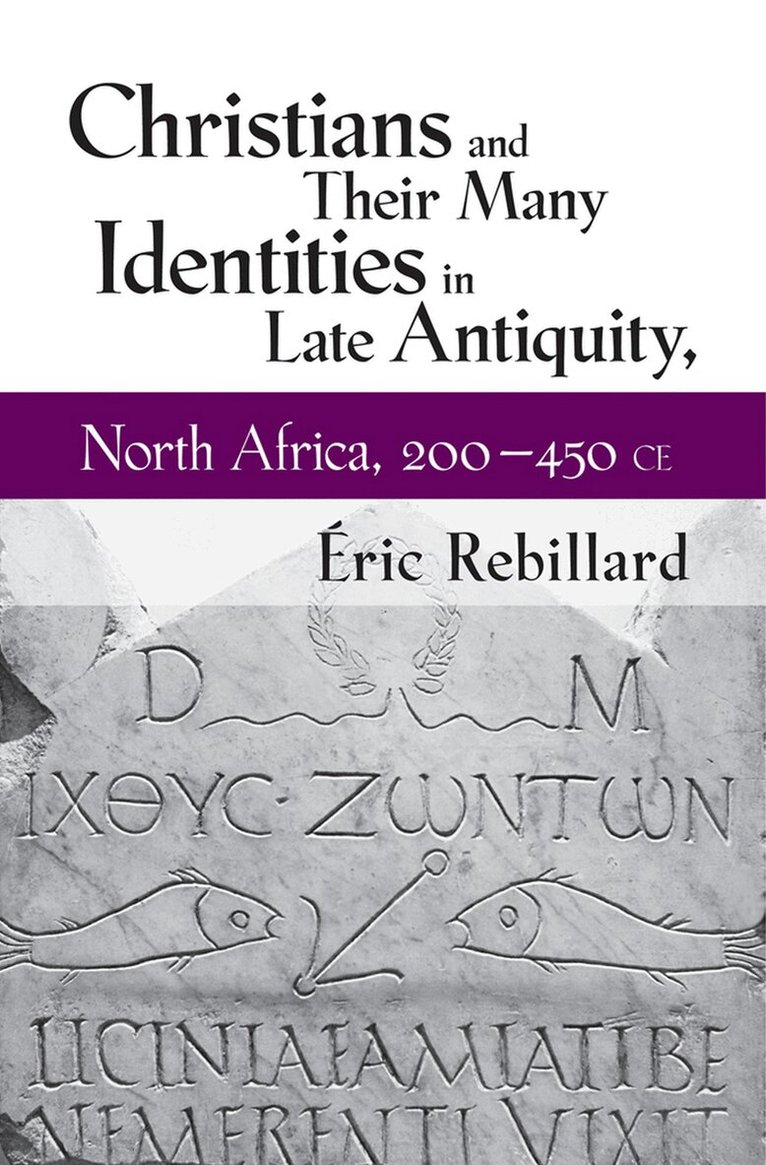
    Éric Rebillard is Avalon Foundation Professor in the Humanities, Departments of Classics and History, Cornell University. He is the author of Christians and Their Many Identities in Late Antiquity, North Africa, 200-450 CE.

    Recensioner i media

    His book is not—and this is a good thing—a narrative to compete with the familiar story, but a series of analyses of critical elements, centerpieced on a case study where he draws on some of the very best recent work done at a microhistorical level.