
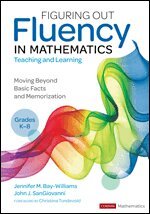
Figuring Out Fluency in Mathematics Teaching and Learning, Grades K-8
Jennifer M. Bay-Williams, John J. SanGiovanni
Häftad, 2021
397 kr
397 kr
Beställningsvara. Skickas inom 7-10 vardagar. Fri frakt över 249 kr.
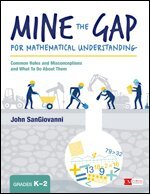
Being an effective math educator is one part based on the quality of the tasks we give, one part how we diagnose what we see, and one part what we do with what we find. Yet with so many students and big concepts to cover, it can be hard to slow down enough to look for those moments when students’ responses tell us what we need to know about next best steps. In this remarkable book, John SanGiovanni helps us value our students’ misconceptions and incomplete understandings as much as their correct ones—because it’s the gap in their understanding today that holds the secrets to planning tomorrow’s best teaching.
SanGiovanni lays out 180 high-quality tasks aligned to the standards and big ideas of Grades 3-5 mathematics, including addition and subtraction of multi-digit whole numbers, multiplication and division of single and multi-digit whole numbers, foundational fraction concepts, foundational decimal concepts, and operations with fractions and decimals. The tasks are all downloadable so you can use or modify them for instruction and assessment. Each big idea offers a starting task followed by:
It’s time to break our habit of rushing into re-teaching for correctness and instead get curious about the space between right and wrong answers. Mine the Gap for Mathematical Understanding is a book you will return to again and again to get better at selecting tasks that will uncover students’ reasoning—better at discerning the quality and clarity of students’ understanding—and better at planning teaching based on the gaps you see.
Jennifer M. Bay-Williams, John J. SanGiovanni
Häftad, 2021
397 kr
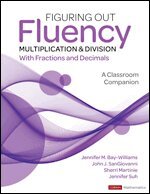
Jennifer M. Bay-Williams, John J. SanGiovanni, Sherri L. Martinie, Jennifer Suh
Häftad, 2022
482 kr
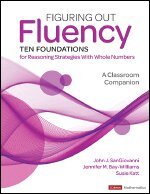
John J. SanGiovanni, Jennifer M. Bay-Williams, Susie Katt
Häftad, 2024
422 kr
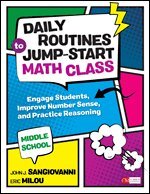
John J. SanGiovanni, Eric Milou
Häftad, 2018
397 kr
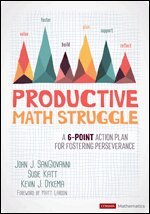
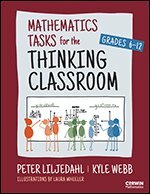
Peter Liljedahl, Kyle Webb
Häftad, 2025
461 kr
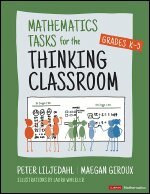
Peter Liljedahl, Maegan Giroux
Häftad, 2024
461 kr
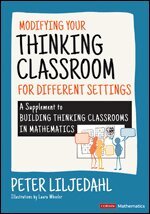
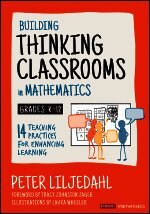
Peter Liljedahl
Häftad, 2023
296 kr
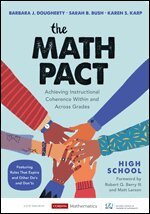
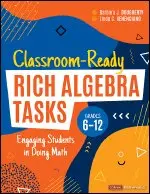
Barbara J. Dougherty, Linda C. Venenciano
Häftad, 2023
409 kr
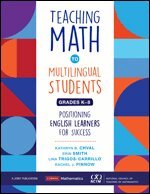
Kathryn Chval, Erin Marie Smith, Lina Trigos-Carrillo, Rachel JaDean Pinnow
Häftad, 2021
397 kr
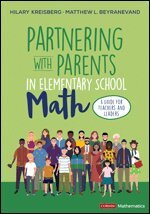
Hilary L. Kreisberg, Matthew L. Beyranevand
Häftad, 2021
397 kr
Jennifer M. Bay-Williams, John J. SanGiovanni
Häftad, 2021
397 kr
John J. SanGiovanni, Jennifer M. Bay-Williams, Susie Katt
Häftad, 2024
422 kr
John J. SanGiovanni, Eric Milou
Häftad, 2018
397 kr
Jennifer M. Bay-Williams, John J. SanGiovanni, Sherri L. Martinie, Jennifer Suh
Häftad, 2022
482 kr


397 kr
Beställningsvara. Skickas inom 7-10 vardagar. Fri frakt över 249 kr.
Being an effective math educator is one part based on the quality of the tasks we give, one part how we diagnose what we see, and one part what we do with what we find. Yet with so many students and big concepts to cover, it can be hard to slow down enough to look for those moments when students’ responses tell us what we need to know about next best steps. In this remarkable book, John SanGiovanni helps us value our students’ misconceptions and incomplete understandings as much as their correct ones—because it’s the gap in their understanding today that holds the secrets to planning tomorrow’s best teaching.
SanGiovanni lays out 180 high-quality tasks aligned to the standards and big ideas of Grades 3-5 mathematics, including addition and subtraction of multi-digit whole numbers, multiplication and division of single and multi-digit whole numbers, foundational fraction concepts, foundational decimal concepts, and operations with fractions and decimals. The tasks are all downloadable so you can use or modify them for instruction and assessment. Each big idea offers a starting task followed by:
It’s time to break our habit of rushing into re-teaching for correctness and instead get curious about the space between right and wrong answers. Mine the Gap for Mathematical Understanding is a book you will return to again and again to get better at selecting tasks that will uncover students’ reasoning—better at discerning the quality and clarity of students’ understanding—and better at planning teaching based on the gaps you see.
Jennifer M. Bay-Williams, John J. SanGiovanni
Häftad, 2021
397 kr
Jennifer M. Bay-Williams, John J. SanGiovanni, Sherri L. Martinie, Jennifer Suh
Häftad, 2022
482 kr
John J. SanGiovanni, Jennifer M. Bay-Williams, Susie Katt
Häftad, 2024
422 kr
John J. SanGiovanni, Eric Milou
Häftad, 2018
397 kr
Peter Liljedahl, Kyle Webb
Häftad, 2025
461 kr
Peter Liljedahl, Maegan Giroux
Häftad, 2024
461 kr
Peter Liljedahl
Häftad, 2023
296 kr
Barbara J. Dougherty, Linda C. Venenciano
Häftad, 2023
409 kr
Kathryn Chval, Erin Marie Smith, Lina Trigos-Carrillo, Rachel JaDean Pinnow
Häftad, 2021
397 kr
Hilary L. Kreisberg, Matthew L. Beyranevand
Häftad, 2021
397 kr
Jennifer M. Bay-Williams, John J. SanGiovanni
Häftad, 2021
397 kr
John J. SanGiovanni, Jennifer M. Bay-Williams, Susie Katt
Häftad, 2024
422 kr
John J. SanGiovanni, Eric Milou
Häftad, 2018
397 kr
Jennifer M. Bay-Williams, John J. SanGiovanni, Sherri L. Martinie, Jennifer Suh
Häftad, 2022
482 kr