• Fri frakt över 249 kr
  • •
  • Snabba leveranser
  • •
  • Billiga böcker
Kundservice

Du är på sajten för privatpersoner.

Företag, bibliotek eller offentlig verksamhet?

Du handlar på classic.bokus.com, där alla dina funktioner finns intakta.
Till classic.bokus.com
Bokus logotyp. Gå till startsidan.
  • Erbjudanden
  • Nyheter
  • Student
  • Topplistor
  • Barn & ungdom
  • Bokus Play
  • E-böcker
  • Pocketböcker
  • Spel & pussel

10% studentrabatt med kod TERM26

Sidfot

Mina sidor

    Hjälp

    • Kundservice
    • Vanliga frågor och svar
    • Frakt och leverans
    • Retur vid ångerrätt
    • Reklamera vara
    • Betalning
    • Köpvillkor
    • Allmänna villkor
    • Information om webbplatsens tillgänglighet

    Om Bokus

    • Om oss
    • Pressrum
    • För studenter
    • För företag
    • För bibliotek och offentlig verksamhet
    • För leverantörer
    • Hållbarhet

    Populärt

    • Aktuella erbjudanden
    • Presentkort
    • Studentlitteratur
    • Nya böcker
    • Topplistor
    • Signerade böcker
    • Engelska böcker

    Inspiration

    • Boktips
    • BookTok
    • Populära bokserier
    • Barnbokskaraktärer
    • Populära författare
    Logotyp för Bokus
    Följ oss på Facebook (extern länk)Följ oss på Instagram (extern länk)Följ oss på YouTube (extern länk)Följ oss på TikTok (extern länk)
    bokus @ CookiesAnpassa cookiesIntegritetspolicyKöpvillkor
    Till Citymail hemsida (extern länk)Till Budbee hemsida (extern länk)Till Postnord hemsida (extern länk)Till Schenker hemsida (extern länk)Till Early Bird hemsida (extern länk)Till Walleys hemsida (extern länk)
    1. Historia och arkeologi
    2. Historia
    3. Europas historia

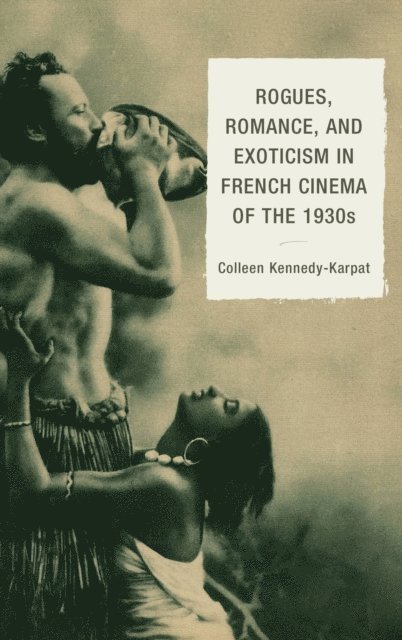
    Rogues, Romance, and Exoticism in French Cinema of the 1930s

    AvColleen Kennedy-Karpat

    Häftad, Engelska, 2015

    722 kr

    Beställningsvara. Skickas inom 10-15 vardagar. Fri frakt över 249 kr.

    Fler format och utgåvor

    Inbunden

    1 223 kr

    E-bok

    777 kr

    Beskrivning

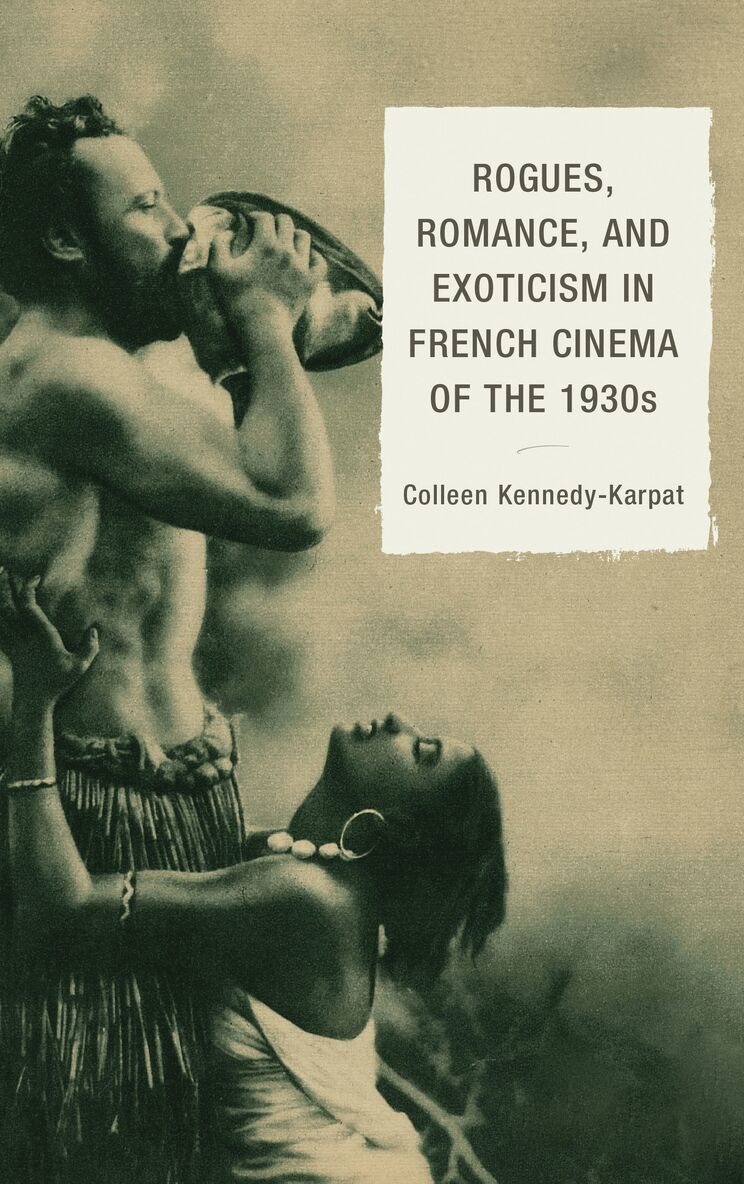
    Many popular French films of the 1930s captured the world and brought it into neighborhood cinemas for filmgoers who craved adventure. These films often served as visual postcards from the French empire, which enjoyed an unprecedented visibility in domestic popular culture between the world wars. But the public appetite for the exotic also transcended imperial borders. Exoticist films displayed landscapes and different that lay beyond the metropole, many of which were not subject to European rule. This broad conception of the exotic meant that French narrative cinema represented both colonial and non-colonial settings and populations, developing a coherent set of tropes that were shaped, yet not entirely defined, by the politics of imperial rule. Empire alone cannot address the full range of the French exoticist imaginary that was projected onto movie screens in the 30s. Only by venturing beyond imperial boundaries can we fully understand how the French saw non-Westerners and, by extension, how they saw themselves during this tumultuous decade. Rogues, Romance, and Exoticism in French Cinema of the 1930s proposes a critical framework for exoticist cinema that includes and exceeds the limits of empire. From rogue colons to the métisse in love, from the deserts of North Africa to the streets of Shanghai, this book identifies and analyzes recurring figures, common settings, major stars, plot devices, and narrative outcomes that dominated exoticist cinema at its popular peak.

    Produktinformation

    • Utgivningsdatum:2015-02-24
    • Mått:153 x 229 x 17 mm
    • Vikt:336 g
    • Format:Häftad
    • Språk:Engelska
    • Antal sidor:230
    • Förlag:Associated University Presses
    • ISBN:9781611478099

    Utforska kategorier

    • Europas historia inom Historia och arkeologi
    • Film inom Kultur
    • Etnicitet inom Samhälle och politik

    Mer om författaren

    Colleen Kennedy-Karpat received her PhD in French from Rutgers University and currently teaches film studies at Bilkent University in Ankara, Turkey.

    Recensioner i media

    Scholars of classical French cinema will know that a great deal has been written about ‘colonial’ cinema, with attention often returning to a relatively few well-known films, typically set in North Africa, that come to stand in for the broader corpus. At the same time, it is often assumed that the same cinema is a prolongation of the broader colonial project and somehow delivers (or betrays) a propagandist message. Yet popular cinema is a more complex object than this, and ‘colonial’ film is a research object with an illusory coherence. Seeking to develop a more adequate approach, Colleen Kennedy-Karpat broadens the object of study to include exoticism more generally and moves well outside the familiar corpus of films to discuss neglected works and less studied performers. She convincingly demonstrates that, while a colonial setting may indeed place limits on what a film can say or show, ‘colonial’ cinema also shares features with the exotic and, to that extent, needs studying in terms of the pleasures it offers rather than its uneven propaganda value. . . .[T]he book is welcome for its willingness to open up new ground and challenge dubious critical orthodoxies.

    Innehållsförteckning

    • CONTENTSAcknowledgmentsExoticism in 1930s France: The Colonial and BeyondPART ONE: Men Outside the MainstreamChapter 1: Jean Gabin, le cafard, and Western SolidarityLa Bandera (1935): Cultural Cohesion and Colonial MercenariesPépé le Moko (1937) and the Multiethnic ExoticLe Messager (1937): Failure to AdaptChapter 2: Assimilation Anxiety and Rogue ColonsMen Who Stayed Too LongEl Guelmouna, marchand de sable (1931): Rivalry (and Russians) in Rural AlgeriaAmok (1934): Cultural Readmission at All CostsL’Esclave blanc (1936): Segregationist ParablePART TWO: Romancing the ExoticChapter 3: Tragedy and Triumph for Interracial LoveCaïn, aventure des mers exotiques (1930) and Baroud (1932): Lasting Love in the ColoniesLe Simoun (1933) and Yamilé sous les cèdres (1939): Triumph, Tragedy, ResponsibilityWomen’s Agency and Exoticist RomanceChapter 4: Métissage and Cultural RepatriationLa Dame de Malacca (1937): European Frog, Exotic Prince(Re)claiming French Identity in La Maison du Maltais (1938)L’Esclave blanche (1939): A Westerner in the HaremRedefining Exoticist RomancePART THREE: France Imagines the Far EastChapter 5: Shanghai Fantasies and the Geishas of JoinvilleMollenard (1938) and Le Drame de Shanghaï (1938): Exiled in (and from) the EastYoshiwara (1936) and La Bataille (1934): Lovers and Fighters in the Land of the Rising SunChapter 6: Sessue Hayakawa’s French Resurrection, 1936-1939Forfaiture (1937): A Legend Revised, a Legacy RebornPatrouille blanche (1939/1942): Bringing the Other Back Home Macao, l’enfer du jeu (1939/1942): The Exotic FatherExoticism in TransitionL’Homme du Niger (1940): Patriotism and Paternalism in AfricaMalaria (1943): Imperial StasisDescendants of Interwar Exoticism from Decolonization to the New CenturyAnnotated FilmographyBibliographyIndex