• Fri frakt över 249 kr
  • •
  • Snabba leveranser
  • •
  • Billiga böcker
Kundservice

Du är på sajten för privatpersoner.

Företag, bibliotek eller offentlig verksamhet?

Du handlar på classic.bokus.com, där alla dina funktioner finns intakta.
Till classic.bokus.com
Bokus logotyp. Gå till startsidan.
  • Erbjudanden
  • Nyheter
  • Student
  • Topplistor
  • Barn & ungdom
  • Bokus Play
  • E-böcker
  • Pocketböcker
  • Spel & pussel

10% rabatt på allt med kod NYSTART10 →

Sidfot

Mina sidor

    Hjälp

    • Kundservice
    • Vanliga frågor och svar
    • Frakt och leverans
    • Retur vid ångerrätt
    • Reklamera vara
    • Betalning
    • Köpvillkor
    • Allmänna villkor
    • Information om webbplatsens tillgänglighet

    Om Bokus

    • Om oss
    • Pressrum
    • För studenter
    • För företag
    • För bibliotek och offentlig verksamhet
    • För leverantörer
    • Hållbarhet

    Populärt

    • Aktuella erbjudanden
    • Presentkort
    • Studentlitteratur
    • Nya böcker
    • Topplistor
    • Signerade böcker
    • Engelska böcker

    Inspiration

    • Boktips
    • BookTok
    • Populära bokserier
    • Barnbokskaraktärer
    • Populära författare
    Logotyp för Bokus
    Följ oss på Facebook (extern länk)Följ oss på Instagram (extern länk)Följ oss på YouTube (extern länk)Följ oss på TikTok (extern länk)
    bokus @ CookiesAnpassa cookiesIntegritetspolicyKöpvillkor
    Till Citymail hemsida (extern länk)Till Budbee hemsida (extern länk)Till Postnord hemsida (extern länk)Till Schenker hemsida (extern länk)Till Early Bird hemsida (extern länk)Till Walleys hemsida (extern länk)
    1. Samhälle och politik
    2. Sociologi och antropologi
    3. Antropologi

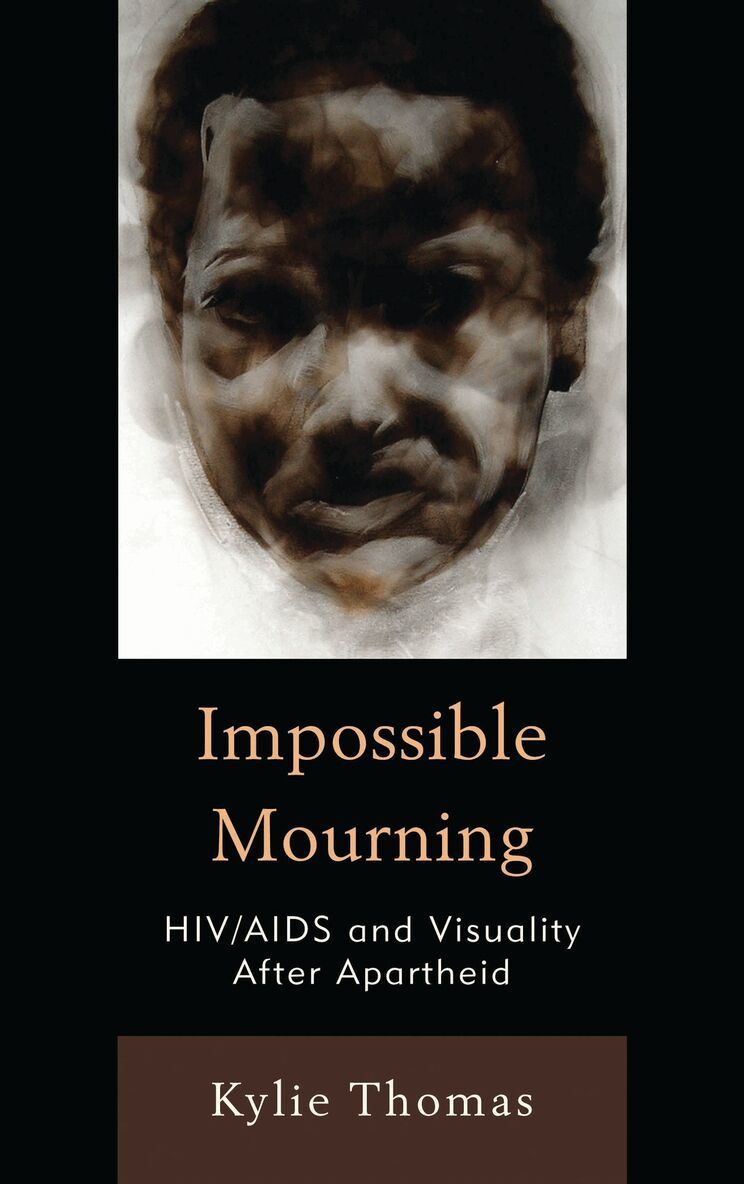
    Impossible Mourning

    HIV/AIDS and Visuality After Apartheid

    AvKylie Thomas

    Inbunden, Engelska, 2013

    1 223 kr

    Beställningsvara. Skickas inom 10-15 vardagar. Fri frakt över 249 kr.

    Fler format och utgåvor

    E-bok

    1 321 kr

    Beskrivning

    Impossible Mourning argues that while the HIV/AIDS epidemic has figured largely in public discourse in South Africa over the last ten years, particularly in debates about governance and constitutional rights post-apartheid, the experiences of people living with HIV for the most part remain invisible and the multiple losses due to AIDS have gone publicly unmourned. This profound fact is at the center of this book which explores the significance of the disavowal of AIDS-death in relation to violence, death, and mourning under apartheid. Impossible Mourning shows how in spite of the magnitude of the epidemic and as a result of the stigma and discrimination that has largely characterized both national and personal responses to the epidemic, spaces for the expression of collective mourning have been few. This book engages with multiple forms of visual representation that work variously to compound, undo, and complicate the politics of loss. Drawing on work Thomas did in art and narrative support groups while working with people living with HIV/AIDS in Khayelitsha, a township outside of the city of Cape Town this book also includes analyses of the work of South African visual artists and photographers Jane Alexander, Gille de Vlieg, Jillian Edelstein, Pieter Hugo, Ezrom Legae, Gideon Mendel, Zanele Muholi, Sam Nhlengethwa, Paul Stopforth, and Diane Victor.

    Produktinformation

    • Utgivningsdatum:2013-10-24
    • Mått:157 x 238 x 20 mm
    • Vikt:422 g
    • Format:Inbunden
    • Språk:Engelska
    • Antal sidor:156
    • Förlag:Associated University Presses
    • ISBN:9781611485349

    Utforska kategorier

    • Antropologi inom Samhälle och politik
    • Sociala och etiska frågor inom Samhälle och politik
    • Afrikas historia inom Historia och arkeologi

    Mer om författaren

    Kylie Thomas teaches in the English Department at the University of Stellenbosch.

    Innehållsförteckning

    • ContentsDedicationTable of ContentsList of Illustrations Acknowledgments Introduction: A Language for Mourning One: Speaking Bodies Two: Passing and the Politics of Queer Loss Post-apartheid Three: Traumatic Witnessing: Photography and Disappearance Four: Mourning the Present Five: Disavowed Loss during Apartheid and After in the Time of AIDS Six: Refusing Transcendence: The Deaths of Biko and the Archives of Apartheid (Without) Conclusion: “The Crisis is Not Over” Bibliography About the Author