• Fri frakt över 249 kr
  • •
  • Snabba leveranser
  • •
  • Billiga böcker
Kundservice

Du är på sajten för privatpersoner.

Företag, bibliotek eller offentlig verksamhet?

Du handlar på classic.bokus.com, där alla dina funktioner finns intakta.
Till classic.bokus.com
Bokus logotyp. Gå till startsidan.
  • Erbjudanden
  • Student
  • Topplistor
  • Barn & ungdom
  • Bokus Play
  • E-böcker
  • Ljudböcker
  • Pocketböcker
  • Spel och pussel

Pocketfynda! Hundratals böcker för 49 kr/st →

Sidfot

Mina sidor

    Hjälp

    • Kundservice
    • Vanliga frågor och svar
    • Frakt och leverans
    • Retur vid ångerrätt
    • Reklamera vara
    • Betalning
    • Köpvillkor
    • Allmänna villkor
    • Information om webbplatsens tillgänglighet

    Om Bokus

    • Om oss
    • Pressrum
    • För studenter
    • För företag
    • För bibliotek och offentlig verksamhet
    • För leverantörer
    • Hållbarhet

    Populärt

    • Aktuella erbjudanden
    • Presentkort
    • Studentlitteratur
    • Nya böcker
    • Topplistor
    • Signerade böcker
    • Engelska böcker

    Inspiration

    • Boktips
    • BookTok
    • Barnbokskaraktärer
    • Populära författare
    Logotyp för Bokus
    Följ oss på Facebook (extern länk)Följ oss på Instagram (extern länk)Följ oss på YouTube (extern länk)Följ oss på TikTok (extern länk)
    bokus @ CookiesAnpassa cookiesIntegritetspolicyKöpvillkor
    Till Citymail hemsida (extern länk)Till Budbee hemsida (extern länk)Till Postnord hemsida (extern länk)Till Schenker hemsida (extern länk)Till Early Bird hemsida (extern länk)Till Walleys hemsida (extern länk)
    1. Samhälle och politik
    2. Politik och statsskick
    3. Politisk aktivism

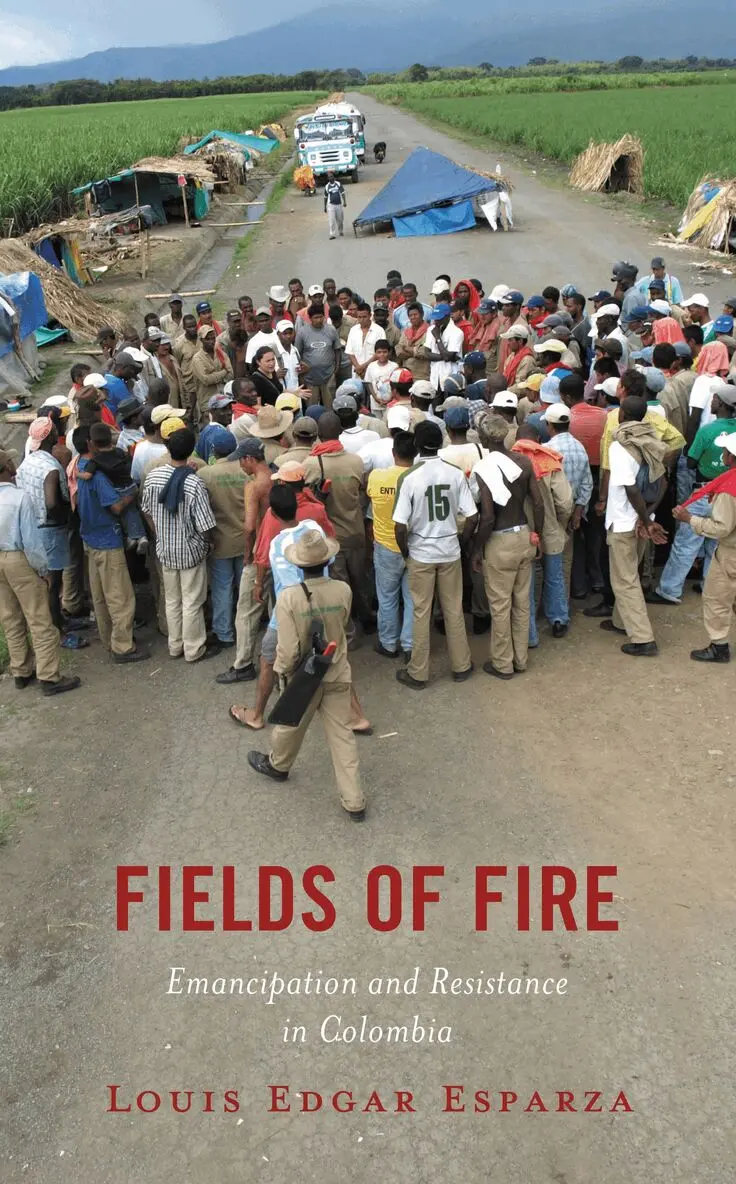
    Fields of Fire

    Emancipation and Resistance in Colombia

    AvLouis Edgar Esparza

    Häftad, Engelska, 2024

    449 kr

    Beställningsvara. Skickas inom 10-15 vardagar. Fri frakt över 249 kr.

    Fler format och utgåvor

    Inbunden

    1 181 kr

    Beskrivning

    Fields of Fire: Emancipation and Resistance in Colombia identifies the concept of the emancipatory network as a coordination of loose, discrete, and differentiated actors to explain how activists successfully practice high-risk activism. Illustrating that previous studies on high-risk activism come to contradictory conclusions, Louis Edgar Esparza argues that networks rather than individual characteristics are associated with mobilization. The book features unique ethnographic material of a Colombian sugarcane worker strike and includes interviews with workers and human rights activists in Valle del Cauca and Bogotá that reveal different forms of knowledge that activists bring to a social movement. It argues that the combination of these different forms of knowledge bolsters the movement’s resiliency in the face of repression. The book provides a counterfactual chapter, illustrating a lack of mobilization where the emancipatory network is absent. Ultimately, it integrates English and Spanish-language social movement literatures, revealing important theoretical insights, and is detailed with data from various sources to outline the state context of social movement action.

    Produktinformation

    • Utgivningsdatum:2024-06-15
    • Mått:150 x 228 x 12 mm
    • Vikt:286 g
    • Format:Häftad
    • Språk:Engelska
    • Antal sidor:220
    • Förlag:Bloomsbury Publishing Plc
    • ISBN:9781666927047

    Utforska kategorier

    • Politisk aktivism inom Samhälle och politik
    • Diskriminering och rättvisa inom Samhälle och politik
    • Sociala grupper och identitet inom Samhälle och politik

    Mer om författaren

    Louis Edgar Esparza is professor of sociology at California State University-Los Angeles.

    Recensioner i media

    This is a brilliant and entertaining study of rural Colombia, showing how invisible social networks actually work to spark political action, often suddenly and surprisingly. It combines poetic ethnographic observation with high-level theories of political action.

    Innehållsförteckning

    • Table of ContentsList of FiguresAcknowledgementsIntroductionChapter 1 RiskChapter 2 Emancipatory NetworksChapter 3 HumiliationChapter 4 LeadershipChapter 5 BogotáChapter 6 ConclusionAppendix AReferencesAbout the author