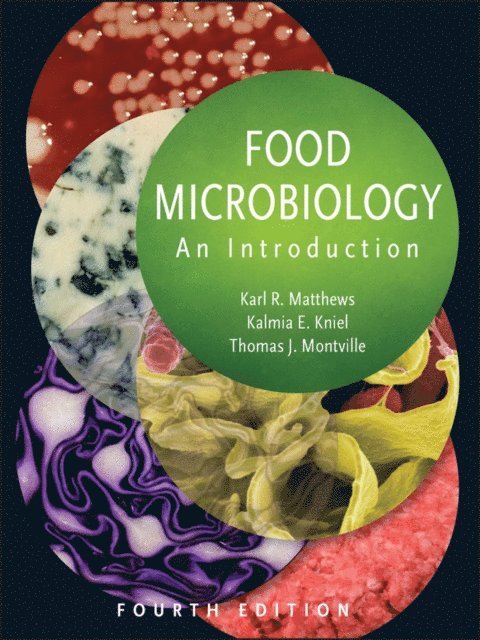
E-bok, Engelska, 2019
Food Microbiology
Av Thomas J. Montville, Kalmia E. Kniel, Karl R. Matthews
1510 kr
Läs direkt i Bokus Reader – eller ladda ned till din enhet
Beskrivning
Presents all facets of food microbiology to undergraduates.
The multidisciplinary nature of food microbiology is one of the things that make it so fascinating as a career. Food microbiologists must understand basic microbiology, the roles of beneficial microbes, food safety regulations and policy, and the proper practices that ensure safe and healthy food for billions of people. They must also be nimble thinkers, willing to embrace new analytical methods, eager to solve problems, and ever vigilant about keeping the food supply safe.
The fourth edition of Food Microbiology: An Introduction is designed for undergraduate courses in food science, nutrition, and microbiology. This edition has been substantially updated with new information on topics like the Food Safety Modernization Act and the use of bacteriophage as antimicrobial agents, while retaining the pedagogy that students and professors appreciate. Written in a clear and easy-to-understand style, the textbook is divided into four sections:
Basics of food microbiology presents the growth processes of food microorganisms, the biology of spores and sporeformers, and the establishment of microbiological criteria in food safety programs, and it introduces students to some of the methods used to detect and enumerate microbes in food and food handling equipment. Foodborne pathogenic bacteria opens with a discussion about the regulatory agencies and surveillance systems responsible for keeping the United States food supply safe. The remainder of the section is a rogue''s gallery of pathogenic bacteria found in food.
Other microbes important in food examines the many beneficial and detrimental ways that microorganisms affect our food supply. The section opens with a look at numerous foods, like beer, bread, pickles, and cheeses, created by the fermentation reactions of lactic acid bacteria and yeast. The rest of the section looks at microbes that are less desirable: the spoilers of food, toxigenic molds, and foodborne parasites. This section closes with a look at viruses and prions.
Control of microorganisms in food discusses the tactics used to inhibit microbial growth in food. The section ends with a chapter on the essentials of developing quality sanitation and HACCP programs in food processing facilities.
Produktinformation
- Utgivningsdatum: 2019-12-09
- Språk: Engelska
- Filformat: EPUB
- Kopieringsskydd: LCP
- ISBN: 9781683673125
- Förlag: Wiley
Utforska kategorier
Betyg & recensioner
0 recensioner
Inga recensioner tillgängliga.