• Fri frakt över 249 kr
  • •
  • Snabba leveranser
  • •
  • Billiga böcker
Kundservice

Du är på sajten för privatpersoner.

Företag, bibliotek eller offentlig verksamhet?

Du handlar på classic.bokus.com, där alla dina funktioner finns intakta.
Till classic.bokus.com
Bokus logotyp. Gå till startsidan.
  • Erbjudanden
  • Nyheter
  • Student
  • Topplistor
  • Barn & ungdom
  • Bokus Play
  • E-böcker
  • Pocketböcker
  • Spel & pussel

10% rabatt på allt med kod: NYSTART10 →

Sidfot

Mina sidor

    Hjälp

    • Kundservice
    • Vanliga frågor och svar
    • Frakt och leverans
    • Retur vid ångerrätt
    • Reklamera vara
    • Betalning
    • Köpvillkor
    • Allmänna villkor
    • Information om webbplatsens tillgänglighet

    Om Bokus

    • Om oss
    • Pressrum
    • För studenter
    • För företag
    • För bibliotek och offentlig verksamhet
    • För leverantörer
    • Hållbarhet

    Populärt

    • Aktuella erbjudanden
    • Presentkort
    • Studentlitteratur
    • Nya böcker
    • Topplistor
    • Signerade böcker
    • Engelska böcker

    Inspiration

    • Boktips
    • BookTok
    • Populära bokserier
    • Barnbokskaraktärer
    • Populära författare
    Logotyp för Bokus
    Följ oss på Facebook (extern länk)Följ oss på Instagram (extern länk)Följ oss på YouTube (extern länk)Följ oss på TikTok (extern länk)
    bokus @ CookiesAnpassa cookiesIntegritetspolicyKöpvillkor
    Till Citymail hemsida (extern länk)Till Budbee hemsida (extern länk)Till Postnord hemsida (extern länk)Till Schenker hemsida (extern länk)Till Early Bird hemsida (extern länk)Till Walleys hemsida (extern länk)
    1. Samhälle och politik
    2. Samhälle och kultur
    3. Kultur och medier
    4. Kulturvetenskap

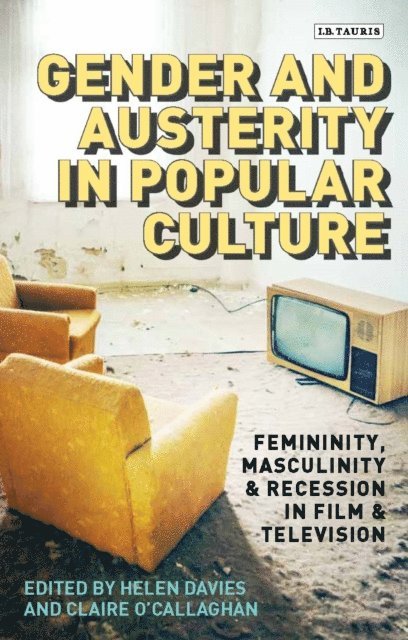
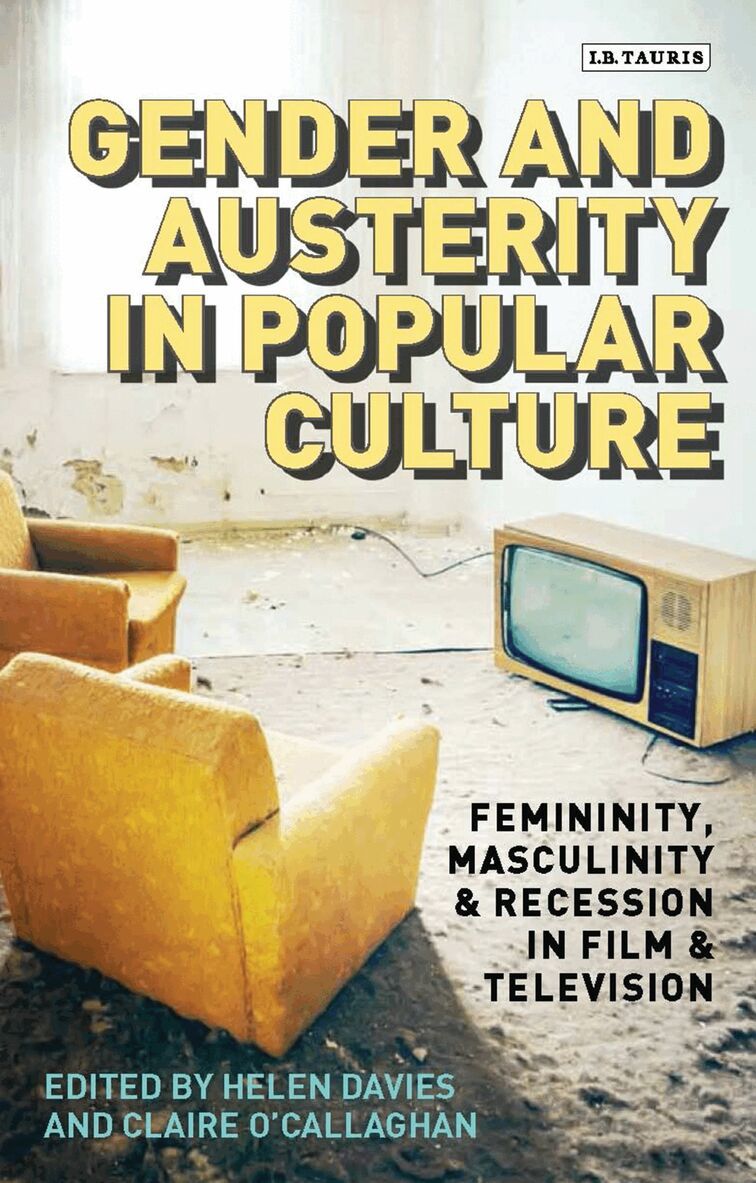
    Gender and Austerity in Popular Culture

    Femininity, Masculinity and Recession in Film and Television

    AvHelen Davies,Claire O’Callaghan

    Inbunden, Engelska, 2016

    Del i serien Library of Gender and Popular Culture

    1 811 kr

    Beställningsvara. Skickas inom 10-15 vardagar. Fri frakt över 249 kr.

    Beskrivning

    From the gritty landscapes of The Hunger Games and The Walking Dead, to the portrayal of the twenty-first-century precariat in Girls, this book explores how transatlantic visual culture has represented and reconstructed ideas of gender in times of financial crisis. Drawing on social, cultural and feminist theory, these writers explore how men and women experience austerity differently and illuminate the problematic ways in which economic policy can shape how gender is presented in popular culture. Written from the perspective that the popular is indeed political, this book considers film, literature and television's ideological attitudes towards race, sex and disability. It also takes into account how mass culture has responded to austerity in the past and the present, whilst examining the impact that feminism will have in the future.
    Produktinformation

    • Utgivningsdatum:2016-12-15
    • Mått:138 x 216 x 23 mm
    • Vikt:424 g
    • Format:Inbunden
    • Språk:Engelska
    • Serie:Library of Gender and Popular Culture
    • Antal sidor:240
    • Förlag:Bloomsbury Publishing PLC
    • ISBN:9781784536640

    Utforska kategorier

    • Kulturvetenskap inom Samhälle och politik
    • Medievetenskap inom Samhälle och politik
    • Genusvetenskap inom Samhälle och politik

    Mer om författaren

    Helen Davies is Senior Lecturer in English Studies at Teesside University. She is on the advisory board of Durham University's Centre for Nineteenth-Century Studies, and is on the editorial board for Journal of Gender Studies. Claire O'Callaghan is an Associate Lecturer in English at Brunel University. She is the Honorary Treasurer of the Feminist and Women's Studies Association (FWSA) and is on the editorial board of the Journal of Gender Studies.

    Recensioner i media

    'Gender and Austerity in Popular Culture is an important development in our understanding of the ways in which the 'austerity' politics of both the UK and the USA are deeply gendered. But what is also recognised here are the historical parallels in which policies demanding restraint in both personal and state spending had different forms for men and women. Thus in this highly original collection of essays the various authors consider distinct locations of the traditions through which women and men are asked to live out, and through, economic inequality. In all, a highly readable and valuable collection'. - Mary Evans, Centennial Professor at the Gender Institute, London School of Economics