- Nyhet
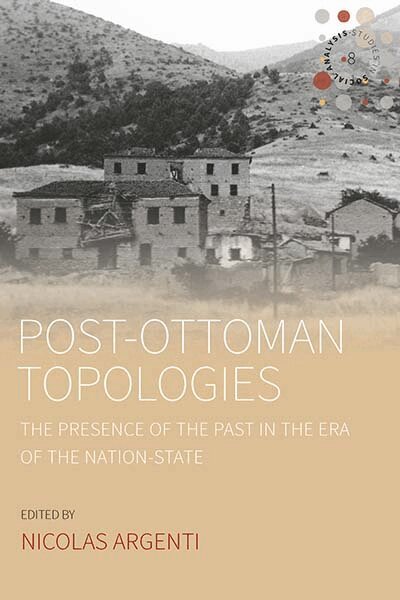
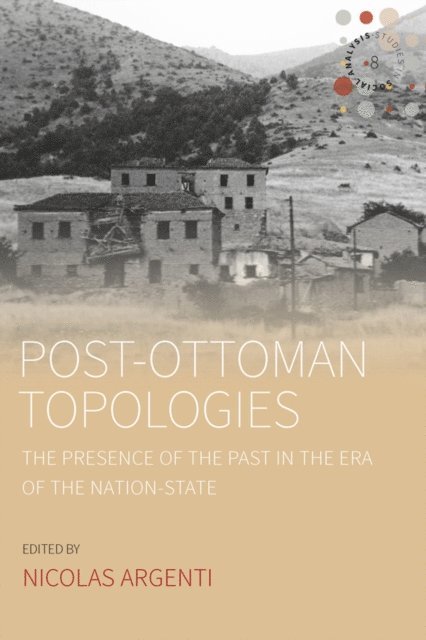
Post-Ottoman Topologies
The Presence of the Past in the Era of the Nation-State
444 kr
Beställningsvara. Skickas inom 5-8 vardagar. Fri frakt över 249 kr.
Du är på sajten för privatpersoner.
444 kr
Beställningsvara. Skickas inom 5-8 vardagar. Fri frakt över 249 kr.
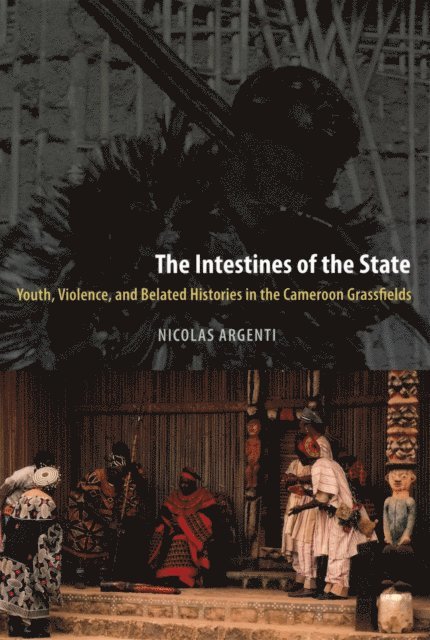
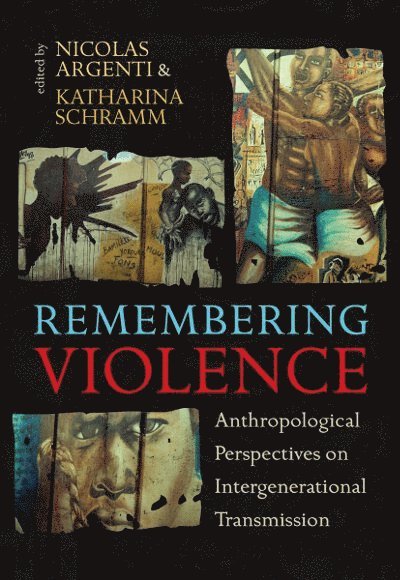
Nicolas Argenti is a Senior Lecturer in Anthropology at Brunel University. He is the author of The Intestines of the State: Youth, Violence, and Belated Histories in the Cameroon Grassfields (2007) and coeditor of several collections, including (with Katharina Schramm) Remembering Violence: Anthropological Perspectives on Intergenerational Transmission (2010).
“This outstanding collection shows us that even after imperial borders disappear, the legacy of empire lives on in the intimate spaces of affect, emotion, gesture, and memory. The focus on the “post-Ottoman” is a challenge to definitions of the postcolonial that limit it to Western European empires. This makes the book essential reading not only in Middle Eastern and Balkan Studies but also for scholars who wish to think more broadly about imperial half-lives.” • Rebecca Bryant, Utrecht University“This highly original volume studies the post-Ottoman condition in terms of how time is experienced socially, cosmologically, and experientially. It will be a crucial reference not only for studies of post-Ottoman geographies, but also for the comparative and conceptual anthropology of temporality.” • Yael Navaro, University of Cambridge
Du är på sajten för privatpersoner.
444 kr
Beställningsvara. Skickas inom 5-8 vardagar. Fri frakt över 249 kr.
Nicolas Argenti is a Senior Lecturer in Anthropology at Brunel University. He is the author of The Intestines of the State: Youth, Violence, and Belated Histories in the Cameroon Grassfields (2007) and coeditor of several collections, including (with Katharina Schramm) Remembering Violence: Anthropological Perspectives on Intergenerational Transmission (2010).
“This outstanding collection shows us that even after imperial borders disappear, the legacy of empire lives on in the intimate spaces of affect, emotion, gesture, and memory. The focus on the “post-Ottoman” is a challenge to definitions of the postcolonial that limit it to Western European empires. This makes the book essential reading not only in Middle Eastern and Balkan Studies but also for scholars who wish to think more broadly about imperial half-lives.” • Rebecca Bryant, Utrecht University“This highly original volume studies the post-Ottoman condition in terms of how time is experienced socially, cosmologically, and experientially. It will be a crucial reference not only for studies of post-Ottoman geographies, but also for the comparative and conceptual anthropology of temporality.” • Yael Navaro, University of Cambridge