• Fri frakt över 249 kr
  • •
  • Snabba leveranser
  • •
  • Billiga böcker
Kundservice

Du är på sajten för privatpersoner.

Företag, bibliotek eller offentlig verksamhet?

Du handlar på classic.bokus.com, där alla dina funktioner finns intakta.
Till classic.bokus.com
Bokus logotyp. Gå till startsidan.
  • Erbjudanden
  • Nyheter
  • Student
  • Topplistor
  • Barn & ungdom
  • Bokus Play
  • E-böcker
  • Pocketböcker
  • Spel & pussel

10% rabatt på allt med kod: NYSTART10 →

Sidfot

Mina sidor

    Hjälp

    • Kundservice
    • Vanliga frågor och svar
    • Frakt och leverans
    • Retur vid ångerrätt
    • Reklamera vara
    • Betalning
    • Köpvillkor
    • Allmänna villkor
    • Information om webbplatsens tillgänglighet

    Om Bokus

    • Om oss
    • Pressrum
    • För studenter
    • För företag
    • För bibliotek och offentlig verksamhet
    • För leverantörer
    • Hållbarhet

    Populärt

    • Aktuella erbjudanden
    • Presentkort
    • Studentlitteratur
    • Nya böcker
    • Topplistor
    • Signerade böcker
    • Engelska böcker

    Inspiration

    • Boktips
    • BookTok
    • Populära bokserier
    • Barnbokskaraktärer
    • Populära författare
    Logotyp för Bokus
    Följ oss på Facebook (extern länk)Följ oss på Instagram (extern länk)Följ oss på YouTube (extern länk)Följ oss på TikTok (extern länk)
    bokus @ CookiesAnpassa cookiesIntegritetspolicyKöpvillkor
    Till Citymail hemsida (extern länk)Till Budbee hemsida (extern länk)Till Postnord hemsida (extern länk)Till Schenker hemsida (extern länk)Till Early Bird hemsida (extern länk)Till Walleys hemsida (extern länk)
    1. Historia och arkeologi
    2. Historia
    3. Europas historia

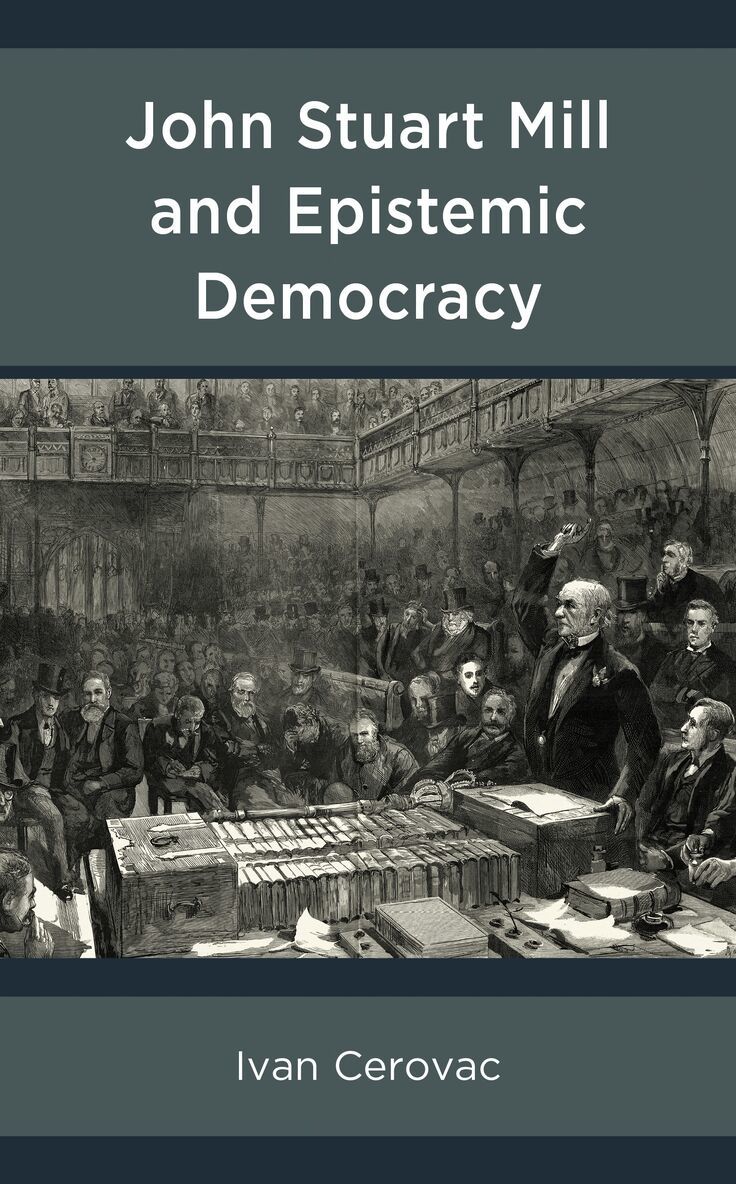
    John Stuart Mill and Epistemic Democracy

    AvIvan Cerovac

    Häftad, Engelska, 2024

    451 kr

    Beställningsvara. Skickas inom 10-15 vardagar. Fri frakt över 249 kr.

    Fler format och utgåvor

    Inbunden

    1 186 kr

    Beskrivning

    John Stuart Mill and Epistemic Democracy explores the epistemic, or cognitive, character of democratic institutional practices and the protection of basic liberties in Mill's political thought. Mapping Mill's theory of representative democracy and critically engaging Mill's more controversial issues, Ivan Cerovac identifies the epistemic criteria within these proposals and uses them as a basis for unifying Mill's political thought. The book addresses the epistemic role of wide democratic participation on the one hand and institutional mechanisms used to filter the public will—such as political representation, plural voting proposals, partisanship, division of epistemic and political labor—on the other, and it analyzes how Mill tries to resolve the conflict between political and epistemic values. Characterizing Mill as both a political instrumentalist and an epistemic democrat, Cerovac sets Mill's theory in a broader explanatory framework and compares it with contemporary accounts of epistemic justification. Emphasizing Mill's normative considerations regarding franchise and the exercise of political power over others, this book discusses how to implement the epistemic ideal in real-world politics. It will be a fascinating read for anyone interested in democratic decision-making.
    Produktinformation

    • Utgivningsdatum:2024-05-22
    • Mått:150 x 228 x 14 mm
    • Vikt:340 g
    • Format:Häftad
    • Språk:Engelska
    • Antal sidor:206
    • Förlag:Bloomsbury Publishing Plc
    • ISBN:9781793636782

    Utforska kategorier

    • Europas historia inom Historia och arkeologi
    • Statsskick: demokrati inom Samhälle och politik
    • Filosofiska discipliner inom Filosofi och religion

    Mer om författaren

    Ivan Cerovac is research fellow at the University of Rijeka.

    Recensioner i media

    John Stuart Mill is one of the most important figures in the history of philosophy. This welcome book is a very helpful guide to better understanding Mill's contributions to moral and political philosophy that will be of much value to students and scholars.

    Innehållsförteckning

    • AcknowledgementsIntroduction 1.Two Criteria: Education and Competence 2.The Epistemic Value of Political Conflict 3.Democracy and the Quality of Political Outcomes 4.Political Representation and Filtering Mechanisms 5.Plural Voting Proposal 6.The Epistemic Role of Partisanship 7.Filtering Mechanisms and AntipaternalismConclusionBibliographyIndexAbout the Author